
























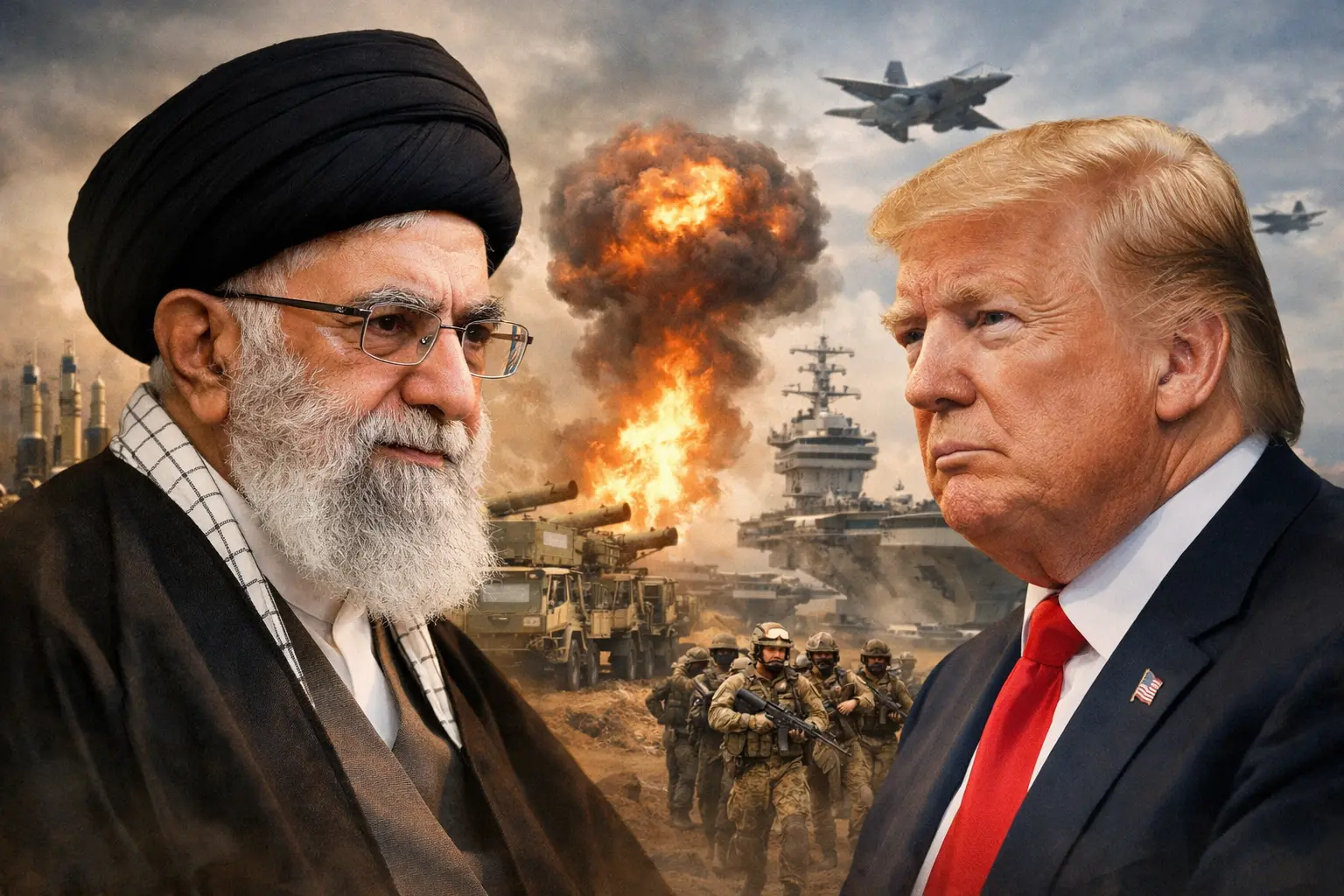
A conflict between the United States and Iran would not be fought on Bali’s shores, but its shockwaves could profoundly impact the island’s tourism, investment climate, and local livelihoods, exposing the fragility of a paradise dependent on global stability.
While Bali’s visitor statistics show few tourists from the United States or Iran, the island’s economic fate is inextricably tied to the smooth functioning of a peaceful world. A major conflict in the Middle East represents a classic “systemic shock”—a distant event that disrupts the interconnected systems of global travel, finance, and energy on which Bali relies.
The Psychology of Travel: Fear Overrides Itineraries
In the immediate aftermath of a conflict, the primary impact on Bali would be psychological. Global news cycles dominated by terms like “escalation” and “instability” trigger a risk-averse mentality among long-haul travelers from Europe, North America, and other regions. “Tourists don’t read a map; they read headlines,” observes Giostanovlatto, Founder of Hey Bali and a Bali Tourism Observer. “Bali is factually safe, but it is vulnerable to global perception because it is distant and requires long-haul travel.” The result is not an empty island, but a potential downturn in high-value, long-stay tourism, with visitors opting for destinations closer to home.
The Investment Freeze: When Capital Seeks Shelter, Not Sunsets
The more profound and lasting impact would be on investment. Major geopolitical turmoil triggers a global “risk-off” mode. “Investors don’t ask, ‘Is Bali safe?’ They ask, ‘Is now the right time to hold cash?'” notes Giostanovlatto. Projects reliant on foreign capital—from new villas and beach clubs to large-scale hospitality expansions—would face delays or cancellations as investors retreat to the safest assets. The sectors that have driven Bali’s recent luxury boom would be the most vulnerable, not because of their quality, but because global liquidity would dry up.
The Local Domino Effect: From Boardrooms to Banjars
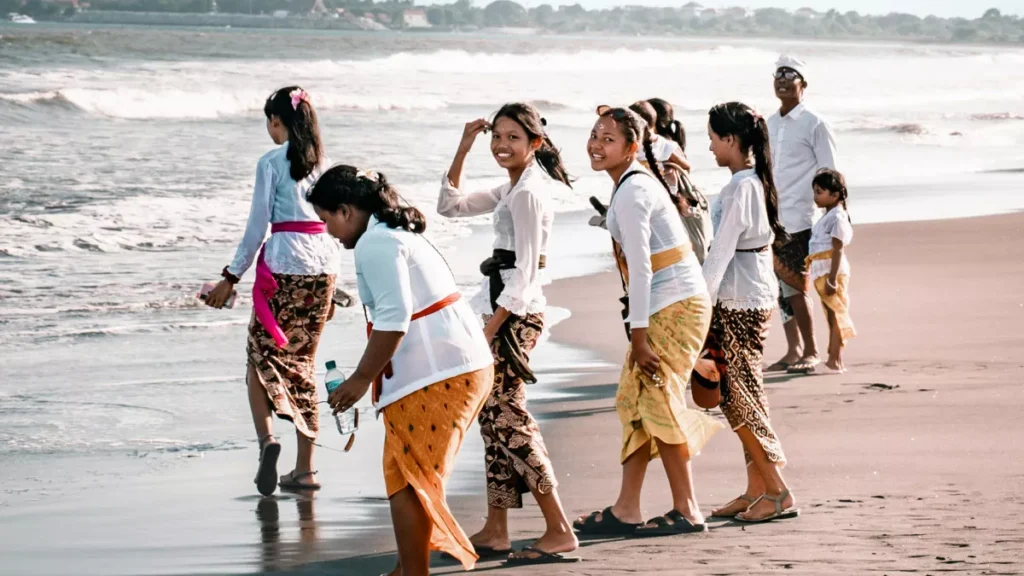
The economic domino effect would eventually reach Bali’s grassroots. A slowdown in tourism spending and a freeze on construction projects would first impact the most vulnerable: contract workers, daily wage earners, local suppliers, and small tourism businesses (UMKM). Reduced hours, stagnant wages, and increased job competition could follow, testing the social fabric of a monoculture economy with limited alternatives.
Safeguarding Paradise in a Volatile World
The scale of the impact would depend on the conflict’s duration and scope. A limited skirmish might cause a temporary dip; a wider regional war disrupting global oil supplies and shipping lanes would pose a severe, protracted challenge. For Bali, the lesson is one of urgent resilience.
Realistically, Bali’s short-term focus must be on stabilizing perception and doubling down on reliable regional markets like Australia. In the medium term, genuine economic diversification beyond tourism and luxury real estate is not a slogan but a survival imperative. Long-term, Bali must evolve from being merely a beautiful destination to building a resilient economy capable of weathering storms born halfway across the world.
The conclusion is clear, if sobering. As Giostanovlatto frames it, “Bali would not be destroyed by such a conflict, but it would not be immune. The impact arrives indirectly, spreading and pressing down. What will ultimately determine Bali’s fate is not the war itself, but how well the island reads global risks and, crucially, whether it avoids compounding them with internal instability at a time when the world is on edge.” In an age of uncertainty, even paradise must have a contingency plan.