

With shifting winds, stronger currents, and sudden downpours, Bali’s coastline demands a different kind of respect between November and March. Here’s how to enjoy it safely.
BALI — The rainy season transforms Bali, bringing lush landscapes but also altering the character of its famous coastline. While the impulse to avoid the beach entirely is understandable, many locals and seasoned visitors continue to enjoy the shoreline—just with significantly adjusted expectations and precautions.
The key is recognizing that Bali’s beaches are not uniform, and conditions can change rapidly. Successfully navigating them during the wet months hinges on local knowledge, realistic planning, and a profound respect for natural warnings.
1. Not All Beaches Are Created Equal
A common mistake is treating every stretch of sand the same. Bali’s western and southern coasts—like Kuta, Canggu, and Uluwatu—face the open Indian Ocean and bear the brunt of larger swells and stronger rip currents during rainy weather. In contrast, eastern and southeastern shores such as Sanur and Nusa Dua are generally calmer, protected by offshore reefs. Always check the latest conditions and heed the colored flag warning system; a red flag is a serious directive, not a suggestion.
2. Look Inland, Not Just at the Sky
Local insight often missed by visitors: heavy rain in the island’s interior—in Ubud or the central highlands—can dramatically affect coastal waters miles away. Runoff can turn the sea murky brown and wash debris, including logs and litter, onto the shore. The surface may look calm, but water quality and hidden hazards make swimming ill-advised.
3. Gear Up for Wind and Sudden Soaking
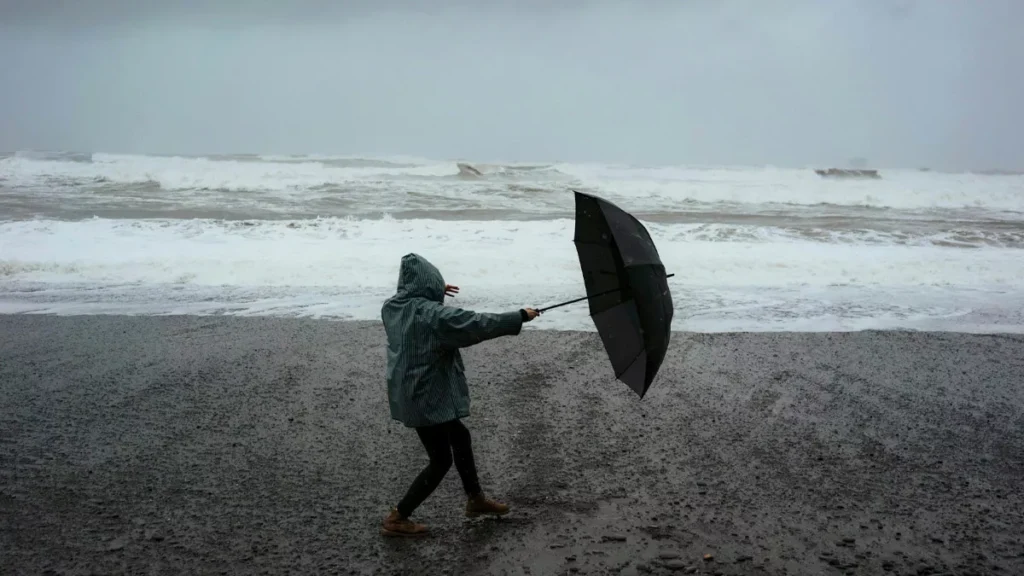
Packing for a rainy-season beach trip means preparing for more than rain. Windproof and waterproof layers are essential, as are secure, non-slip footwear and a complete change of clothes. A dry bag for electronics is a necessity, not a luxury, given the likelihood of sudden squalls or spray from unexpectedly large waves.
4. When the Rain Falls, Step Back
If rain arrives while you’re on the sand, seek shelter in a local warung (food stall) or gazebo. This is a common and authentic Balinese experience. Enjoying a hot coffee or bowl of soup while watching the storm over the ocean can be more memorable than a forced swim. If caught in the water as conditions deteriorate, stay calm, don’t fight the current directly, move laterally toward shallow areas, and follow any lifeguard instructions immediately.
5. Consider Rocky or Pebble Shores
For a walk or quieter contemplation, pebble or rocky beaches can offer more stability than shifting sand during high surf. They also tend to be less crowded in wet weather. Exercise caution on potentially slippery surfaces.
6. Watch the Lulls, Not Just the Forecast
A crucial local pattern: rain in Bali is often intense but short-lived. The safest window for a beach visit can be in the lull after a downpour, once the wind has dropped, not during an active storm. Conversely, the sea can be at its most dangerous 15-30 minutes after heavy rain, when river outflow surges into the ocean and creates erratic currents.
7. Trust the People, Not Just the App
Weather apps struggle with Bali’s microclimates. The most reliable forecast comes from those who live with the sea daily: lifeguards, warung owners, and fishermen. If a lifeguard advises against swimming, the discussion is over. Many near-misses occur when visitors override on-the-ground warnings because the sky “looks clear.”
A Final Note on Respect
The rainy season is not a time to test your mettle against Bali’s waves. It’s an opportunity to engage with the island’s natural power more thoughtfully. By reading the signs, heeding local advice, and knowing when to simply watch from the shore, you can find profound beauty in Bali’s stormy coastline—safely and respectfully.
Hey Bali News provides practical, locally-informed guidance to help our community enjoy the island responsibly in every season.