
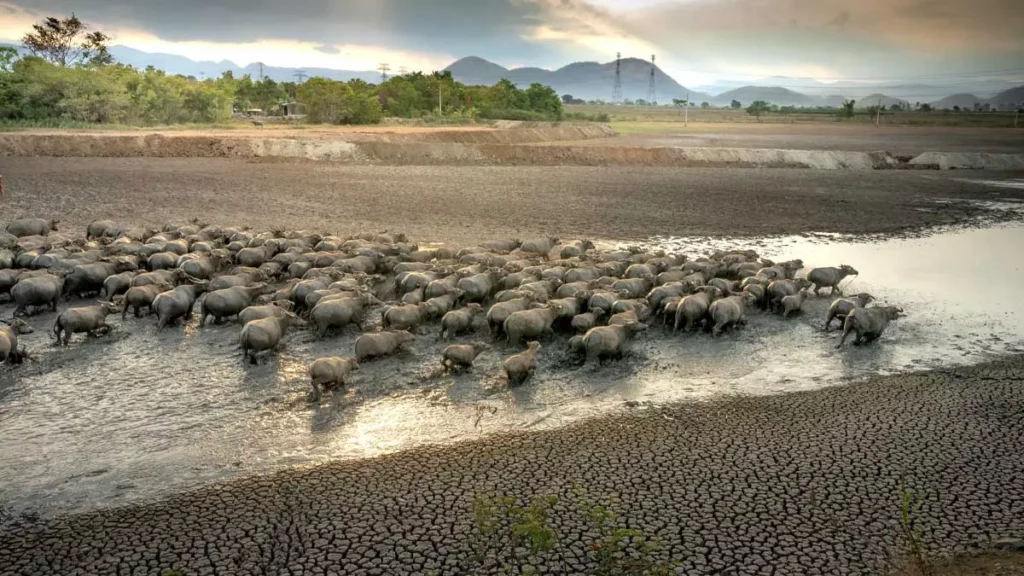
BALI– By August, Bali is expected to settle into its most intense dry season period of 2026, bringing longer stretches of cloudless skies, sharper daytime heat, and rising concerns over water supply and wildfire risk across parts of the island.
According to Indonesia’s Meteorology, Climatology, and Geophysics Agency (BMKG), Bali will be among the regions entering peak dry season conditions alongside parts of Java, West Nusa Tenggara (NTB), and eastern Indonesia. The agency says the driest period is expected to intensify throughout August before gradually easing in September.
For many travelers, that forecast may sound ideal. Bali’s dry season is traditionally considered the best time for surfing, hiking, beach holidays, and outdoor tourism. But for long-term residents, villa operators, and local communities already navigating shifting climate patterns, the season also brings mounting environmental pressure.
The transition into dry season has arrived earlier than usual this year. According to BMKG’s dry season forecast released earlier this year, more than 60 percent of Indonesia’s seasonal climate zones are expected to reach peak dry conditions in August, with Bali included among the affected regions.
In Bali, that typically means hotter afternoons, lower humidity, dustier roads in coastal areas such as Uluwatu and Canggu, and declining water reserves in some residential and tourism zones. Areas heavily dependent on groundwater may begin to feel the pressure if the dry period extends longer than expected.
Despite the seasonal shift, BMKG has warned that rain has not disappeared entirely. Light to moderate rainfall remains possible in several regions of Indonesia during the current transition period, and localized heavy rain can still occur due to short-term atmospheric conditions.
For visitors arriving in the coming weeks, the changing weather pattern will likely bring some of the island’s clearest mornings of the year. Sunrise treks on Mount Batur, surf conditions along Bali’s southern coastline, and beach destinations such as Seminyak are expected to benefit from more stable weather and reduced rainfall.
But the drier conditions also come with stronger UV exposure and increased dehydration risks, particularly for tourists unaccustomed to tropical heat. Health officials and local residents often advise visitors to stay hydrated, limit prolonged midday exposure, and remain cautious during outdoor activities.
For Bali’s growing expat and digital nomad population, the approaching peak season is also a reminder of the island’s ongoing relationship with water management. In some areas, especially during prolonged dry periods, water deliveries and reduced household supply have become increasingly common concerns.
BMKG says it is strengthening hyperlocal forecasting systems to improve early weather warnings down to village-level areas. The agency is also preparing weather modification operations, commonly known as cloud seeding, if conditions later require intervention to reduce drought impact or wildfire risk.
Land and forest fires remain one of the major concerns during Indonesia’s dry season, particularly in areas with dry vegetation and agricultural land. While Bali does not experience wildfire events on the same scale as some other Indonesian regions, authorities continue monitoring conditions closely as temperatures rise.
For the tourism sector, however, August is still expected to remain one of Bali’s busiest and most attractive travel periods. Hotels, beach clubs, tour operators, and outdoor destinations generally experience a surge in international visitors during the heart of the dry season, driven by consistent sunshine and calmer weather conditions.
Yet beneath the postcard-perfect skies, the season also reflects a larger reality facing many parts of Indonesia: balancing tourism growth, environmental sustainability, and climate resilience on islands increasingly shaped by extreme weather patterns.
As Bali moves toward the peak of the 2026 dry season, the message from climate authorities is becoming clearer. The island’s famous sunshine may continue to draw millions of visitors, but adapting to hotter and drier conditions is becoming part of everyday life for the people who call Bali home.