




























Bali – As heavy rainfall continues to shape daily life across the island, Indonesia’s weather agency has taken the unusual step of intervening directly in the skies above Bali and several other regions, signaling how seriously authorities view the threat of extreme weather this December.
The Meteorology, Climatology, and Geophysics Agency (BMKG) has launched weather modification operations across parts of Java, Lampung, and Bali to reduce the risk of extreme rainfall triggered by a convergence of tropical systems. The effort comes as weather today in Bali, 16 December 2025, remains volatile, with persistent rain, strong winds, and heightened concern over flooding and landslides.
The decision was outlined by BMKG head Teuku Faisal Fathani during a cabinet meeting at the State Palace in Jakarta on Monday, according to remarks adapted from Kompas. He explained that the operation aims to prevent rain-bearing clouds from releasing their moisture over densely populated or high-risk areas.
“When rain clouds approach land, we seed them using sodium chloride so precipitation falls over the sea or less vulnerable locations,” Faisal said. “If the clouds are already above urban areas, we disperse them using calcium oxide so the rainfall breaks up and does not intensify.”
According to BMKG estimates, such weather modification can reduce rainfall intensity by as much as 20 to 50 percent. While the technique does not eliminate rain entirely, officials say it can significantly lower the risk of flash floods and other hydrometeorological disasters during periods of extreme atmospheric instability.
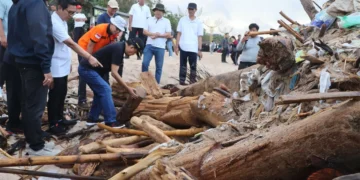
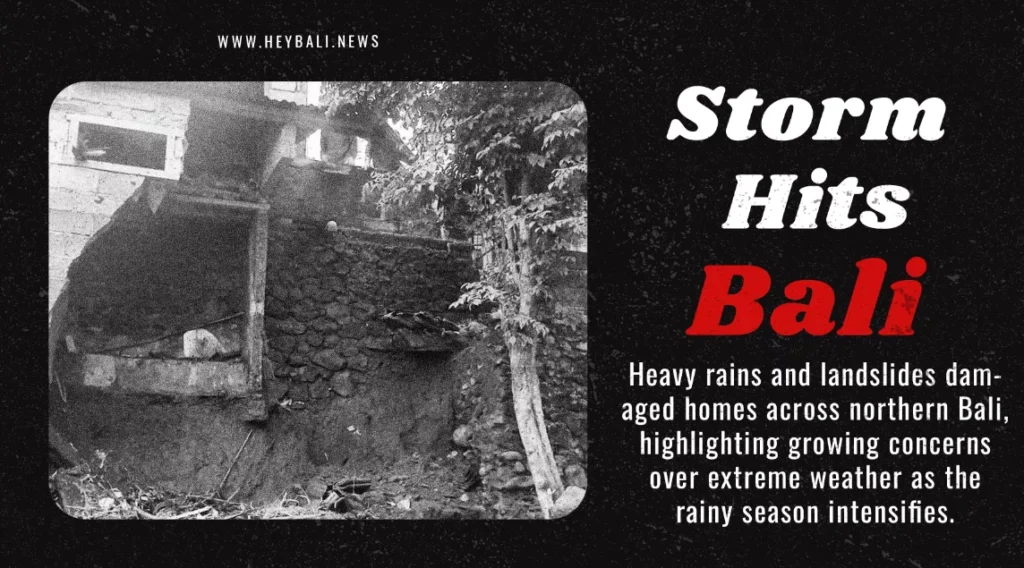
For Bali, the move underscores growing concern as the island enters one of the most unpredictable phases of the rainy season. Recent days have already seen flooding, fallen trees, and disrupted transport, with authorities warning that saturated soil conditions increase vulnerability even during short bursts of heavy rain.
BMKG officials emphasized that the operation is being conducted in coordination with disaster response agencies, including the National Disaster Mitigation Agency (BNPB), regional BPBD offices, and search and rescue teams. The goal, Faisal said, is not only mitigation but preparedness.
“We ask the public to remain calm, but alert,” he said, urging residents and visitors to stay informed about weather developments and sea conditions.
The government’s attention to weather risks has also reached the highest levels. In separate remarks, President Prabowo Subianto instructed ministers to treat BMKG’s early warnings as a priority, particularly ahead of the Christmas and New Year holiday period, when travel across Indonesia surges. The warning, delivered during a limited cabinet meeting prior to a visit to flood-affected areas in North Sumatra, reflects concern that extreme weather could disrupt mobility, logistics, and public safety nationwide.
For travelers and long-stay expatriates in Bali, the message is clear: the weather is no longer a background concern but a daily factor shaping movement, safety, and planning. With sea conditions fluctuating and rainfall patterns shifting rapidly, authorities continue to urge caution, flexibility, and close attention to official updates.
As Bali navigates another intense monsoon week, the decision to reshape rainfall before it reaches the ground highlights both the scale of the challenge and the lengths to which officials are willing to go to reduce its impact.
Reported by Ferry Fadly
Written by Hey Bali Newsroom












Comments 1