

























JAKARTA – A major Bali wildlife trafficking route has been disrupted, following the arrest of an Egyptian national at Soekarno-Hatta International Airport with 32 live reptiles—including species native to the Indonesian archipelago—concealed in his luggage.
The interception reveals how international traffickers are targeting Indonesia’s rich biodiversity, particularly species from eastern regions like Papua, and using the country’s major travel hubs as export points. The suspect, identified as AAEA, was attempting to transport the animals to Jeddah, Saudi Arabia, without any legal documentation.
“Airports are critical choke points for this crime,” said Aswin Bangun, Head of the Forestry Law Enforcement Agency for Java, Bali, and Nusa Tenggara, in a statement sourced by Antara. “This case is a clear example of wildlife trafficking networks operating through our transport systems. We will prosecute all offenders, foreign or national, without exception.”
From Paradise to Prison: The Seized Cargo
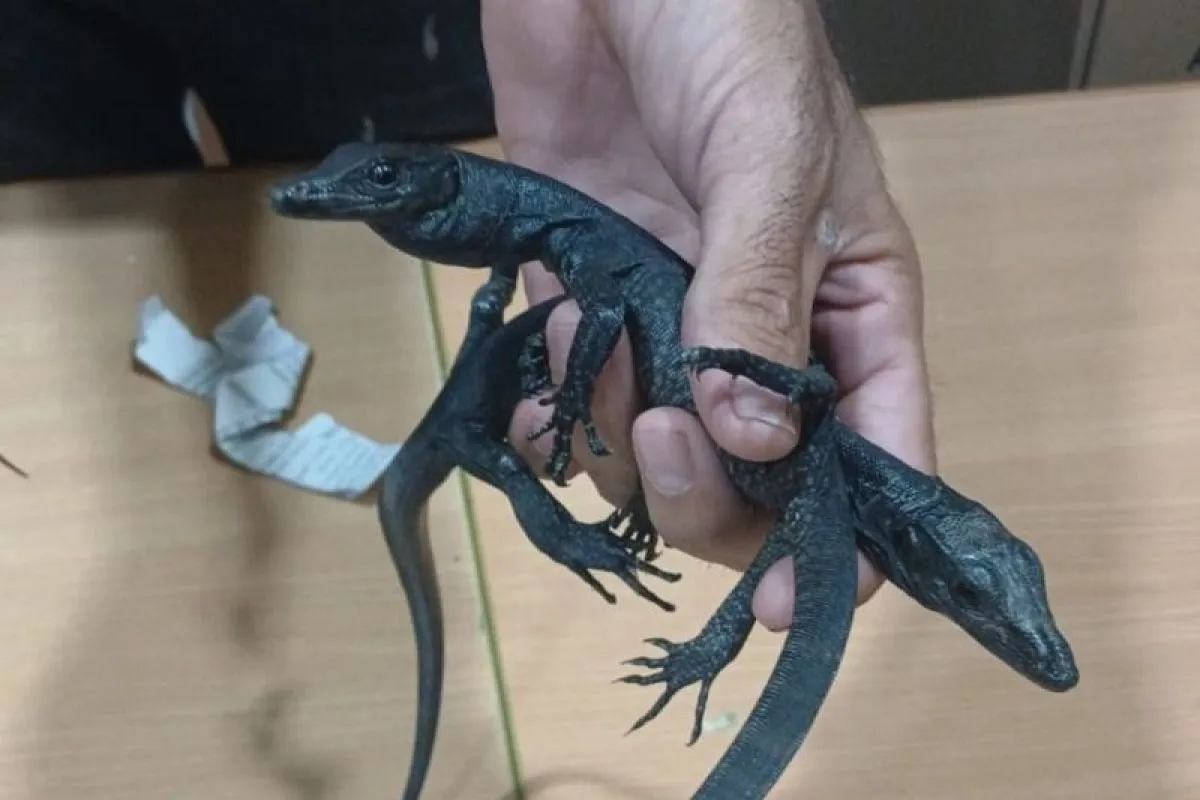
The seized animals underscore the high-value target of this trafficking attempt. Among them were three Black Tree Monitors (Varanus beccarii), a striking species protected under Indonesian law and native to the rainforests of Papua. The haul also included 23 pythons of various morphs, alongside geckos and tegus, all packed into ten small, suffocating bags.

Didid Sulastiyo, Head of the Jakarta Natural Resources Conservation Agency (BKSDA), stressed the severe conservation impact. “The Black Tree Monitor is endemic to Indonesia. Its population is already under threat, and each animal stolen for the illegal pet trade pushes it closer to decline,” he stated. “This isn’t just a paperwork crime; it’s an act that causes animal suffering and erodes our natural heritage.”
Beyond a Single Arrest: Unraveling the Network
While the immediate threat was neutralized, authorities are looking beyond the courier. The animals have been moved to a wildlife rescue center for urgent care, and AAEA is now a detained suspect.
The broader investigation, led by the Forestry Ministry, aims to trace the supply chain. Key questions remain: Where were these animals collected? Was Bali used as a transit or sourcing point in this wildlife trafficking network? Who was the intended recipient abroad?
This arrest serves as a stark reminder that the illegal trade in exotic animals remains a persistent threat. For expats and tourists in Bali, it highlights a darker undercurrent flowing beneath the island’s natural beauty. For authorities, it is a successful bust that exposes a link in the global chain of Bali wildlife trafficking, demanding continued vigilance at every port and airport.
Reported by Ferry Fadly
Written by Hey Bali Newsroom