

As anti-corruption investigators probe alleged misconduct inside Bali’s immigration system, lawmakers are asking whether the problem runs far deeper than a single office.
DENPASAR, Bali — For years, Bali has marketed itself as one of the world’s most welcoming destinations for tourists, digital nomads, retirees, and foreign investors.
But a recent anti-corruption investigation has reignited a long-simmering debate over who is entering the island, how they obtain legal status, and whether the systems designed to regulate foreign activity have been properly enforced.
Speaking after the Corruption Eradication Commission (KPK) launched enforcement actions related to immigration services, Indonesian lawmaker Nyoman Parta, a member of Parliament’s Commission III overseeing legal affairs, suggested that alleged abuses within the immigration system may have existed for years.
“This is not a new story,” Parta said. “There have long been concerns about the misuse and alleged sale of residence permits.”
His remarks come at a sensitive moment for Bali, where rapid growth in foreign arrivals, investment, and long-term residency has transformed parts of the island’s economy while also generating growing public concern.
A System Under Scrutiny
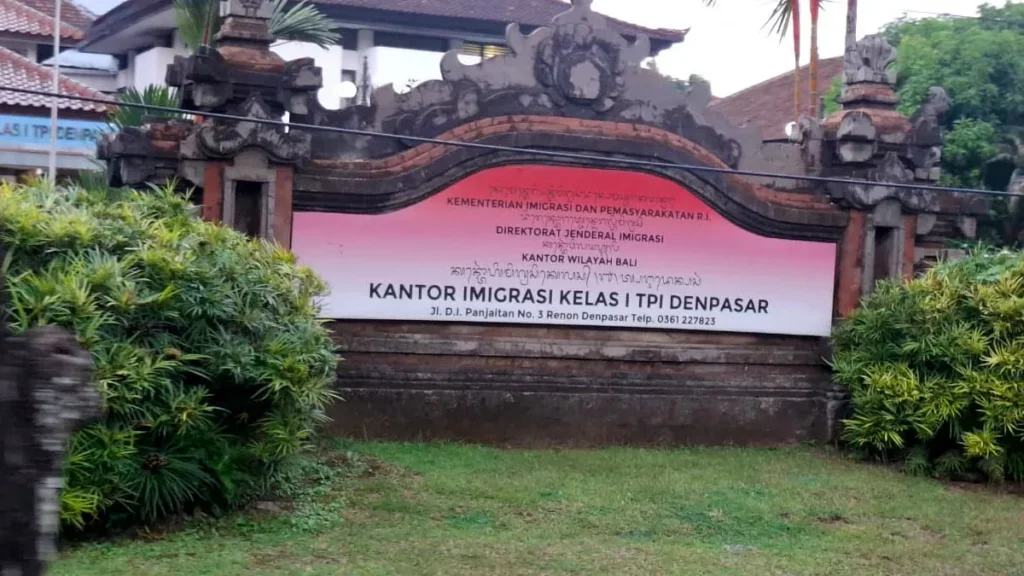
According to Parta, allegations of irregularities in immigration services could have consequences extending far beyond administrative violations.
He argued that weak oversight may have enabled some foreigners to engage in activities that differ from the purpose of their visas.
Among the examples he cited were visitors allegedly entering Indonesia on short-term permits before working in professions such as photography, event management, or other commercial activities.
While authorities have not publicly linked specific cases to the ongoing investigation, the comments reflect a broader concern that enforcement has struggled to keep pace with Bali’s international growth.
For many Balinese residents, the issue has become increasingly visible as foreign-owned businesses, remote work communities, and investment projects continue to expand across the island.
The Investor Question


One of the most contentious issues raised by Parta involves the verification of foreign investors.
Indonesia offers various immigration pathways and residency facilities for qualified investors. However, critics have long argued that some applicants may not meet the financial thresholds required under existing regulations.
Parta questioned whether all individuals claiming investor status had undergone adequate verification before receiving immigration benefits.
“If oversight is weak, it creates opportunities for abuse,” he said.
The concern touches on a larger debate unfolding across Bali, where soaring land prices and rapid development have sparked questions about the true source of investment capital flowing into the island.
Beyond Immigration
Parta also urged investigators to look beyond immigration offices themselves.
He argued that private-sector intermediaries, including visa and permit agents frequently used by foreigners navigating Indonesia’s bureaucracy, should also be examined if evidence suggests involvement in improper practices.
“This is not only about immigration,” he said. “There are other parties involved in the process.”
His comments reflect a growing belief among some policymakers that any meaningful reform must address the broader ecosystem surrounding visa processing, residency permits, and foreign business activity.
Why This Matters for Bali
For international visitors, expatriates, and legitimate investors, the investigation is about more than bureaucracy.
Bali’s global reputation depends heavily on trust.
Tourists expect a safe and transparent destination. Investors seek regulatory certainty. Long-term residents want clear and fair immigration rules.
Any perception that permits can be obtained through improper means risks undermining confidence in the system and creating unfair competition for those who follow the law.
The vast majority of foreigners living and working in Bali do so legally. Yet the current investigation has highlighted the importance of maintaining robust oversight as the island continues to attract global attention.
A Defining Test
For now, investigators continue their work.
What remains unclear is whether the inquiry will be limited to individual misconduct or expand into a broader examination of how foreign residency and investment pathways are managed in one of Asia’s most internationally connected destinations.
For Bali, the outcome could prove significant.
The island’s future depends not only on attracting visitors and investment, but also on ensuring that growth is accompanied by accountability, transparency, and public trust.
As the investigation unfolds, many in Bali will be watching closely to see whether it marks the beginning of a wider effort to strengthen the systems that underpin the island’s increasingly global economy.