























Critical comments from the highest office reframe waste management not as a local issue, but as a direct threat to the island’s global brand and economic future.
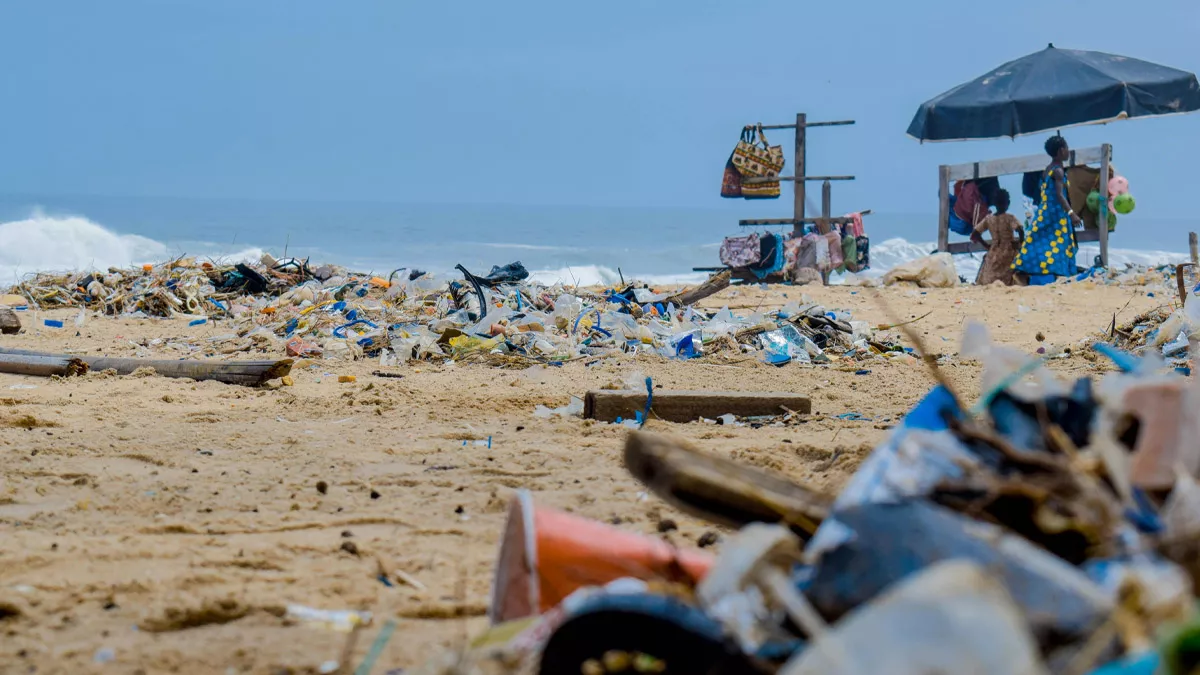
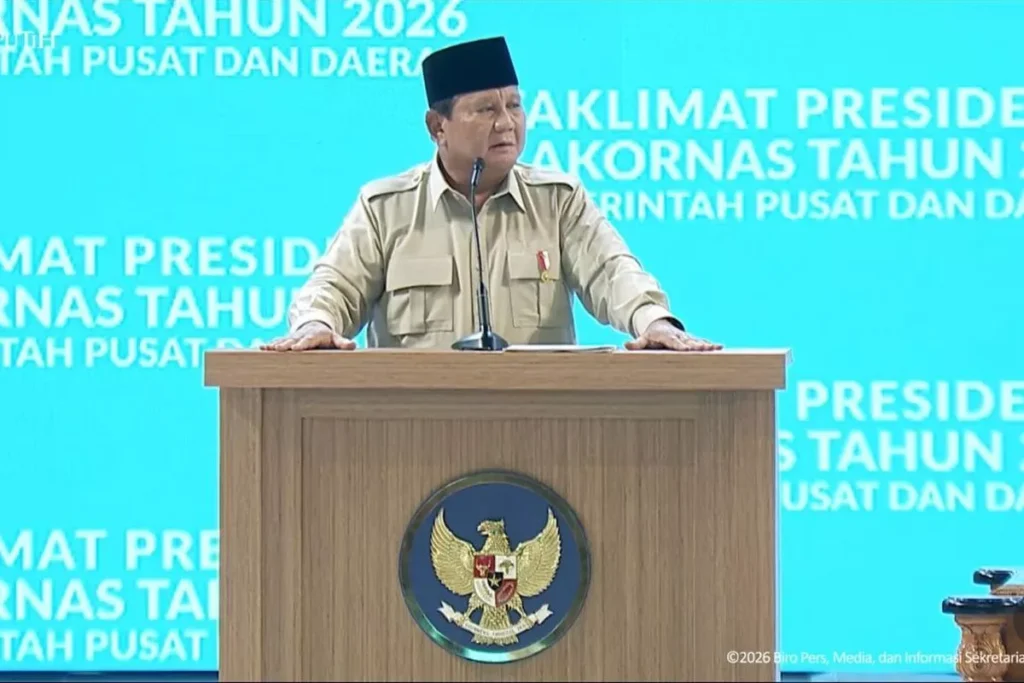
A pointed critique from Indonesia’s highest office has cast a stark, national spotlight on an issue long whispered about in Bali’s expat cafes and traveler forums: the island’s growing struggle with visible waste. During a major government coordination meeting this week, President Prabowo Subianto highlighted pollution as a critical threat to tourism, citing direct, blunt feedback from international visitors about the state of Bali’s famed beaches.
The President’s remarks, moving the conversation from local complaint to a matter of national economic concern, signal a pivotal moment for the Island of the Gods. They frame trash not merely as an environmental or sanitation problem, but as a profound reputational and economic risk to its most vital industry.
The Unvarnished Feedback from Global Visitors
The catalyst was a recounting of international diplomacy. “I was in Korea meeting ministers, generals… they don’t mince words,” President Prabowo stated, as reported by detik. “They said, ‘Your excellency, I just came from Bali. Bali so dirty now. Bali not nice.'”
This unadorned feedback, delivered at the Rakornas Pusat dan Daerah 2026, cuts to the core of Bali’s appeal. The island’s brand, meticulously built over decades, is intrinsically tied to natural beauty and spiritual harmony. The President’s anecdote underscores how swiftly that perception can erode, turning a destination of dreams into one of disappointment. “Indonesia is beautiful, they want to come, but they see it’s shabby. They want to go to Bali, Bali’s beaches are dirty,” he added.
From Local Nuisance to National Priority
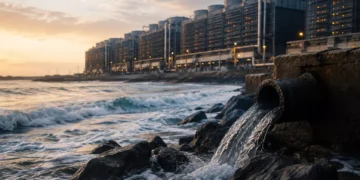
The speech reframed the challenge. For the global community living in or visiting Bali—expats, digital nomads, and tourists—waste is a daily visual reality, from plastic drifting in ocean currents to litter in roadside canals. The President’s comments elevate it from a background annoyance to a front-line issue that could directly influence travel decisions and, by extension, the island’s economy.
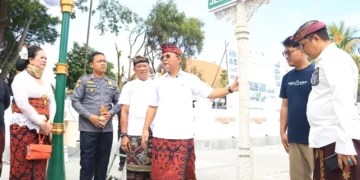
In his address, President Prabowo called for a coordinated, “all-hands-on-deck” response, suggesting the mobilization of local military and police units for regular community clean-up work (korve or kerja bakti) and urging regional leaders to engage schools. The proposed scale of the response acknowledges the severity of the problem.
A Warning Sign for Bali’s Future
The underlying message for Bali is clear: its status as a world-class destination cannot be taken for granted. In an era where travelers share unfiltered reviews instantly and sustainable tourism is a growing priority, environmental neglect carries a tangible cost. The President’s critique is less about assigning political blame and more about sounding an alarm on a visible decay that threatens the island’s primary engine of prosperity.
For those who call Bali home, whether temporarily or permanently, the moment serves as a sobering reflection. The preservation of Bali’s magic is not just an administrative task but a collective responsibility. The island’s future allure may well depend on its ability to translate this high-level warning into tangible, lasting change, proving that its beauty is not just in its past, but in its sustainable future.