





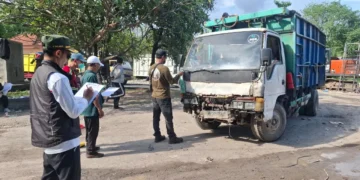

















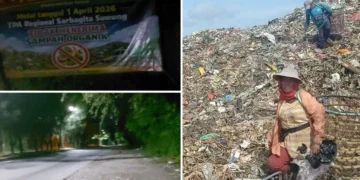
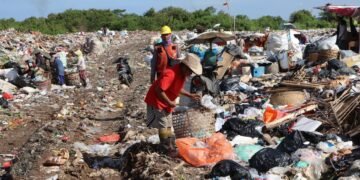

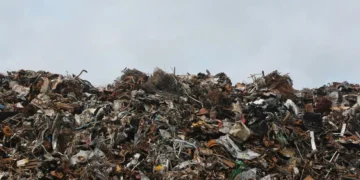
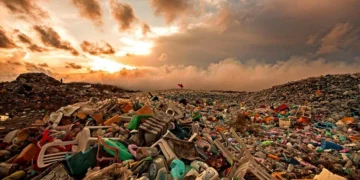

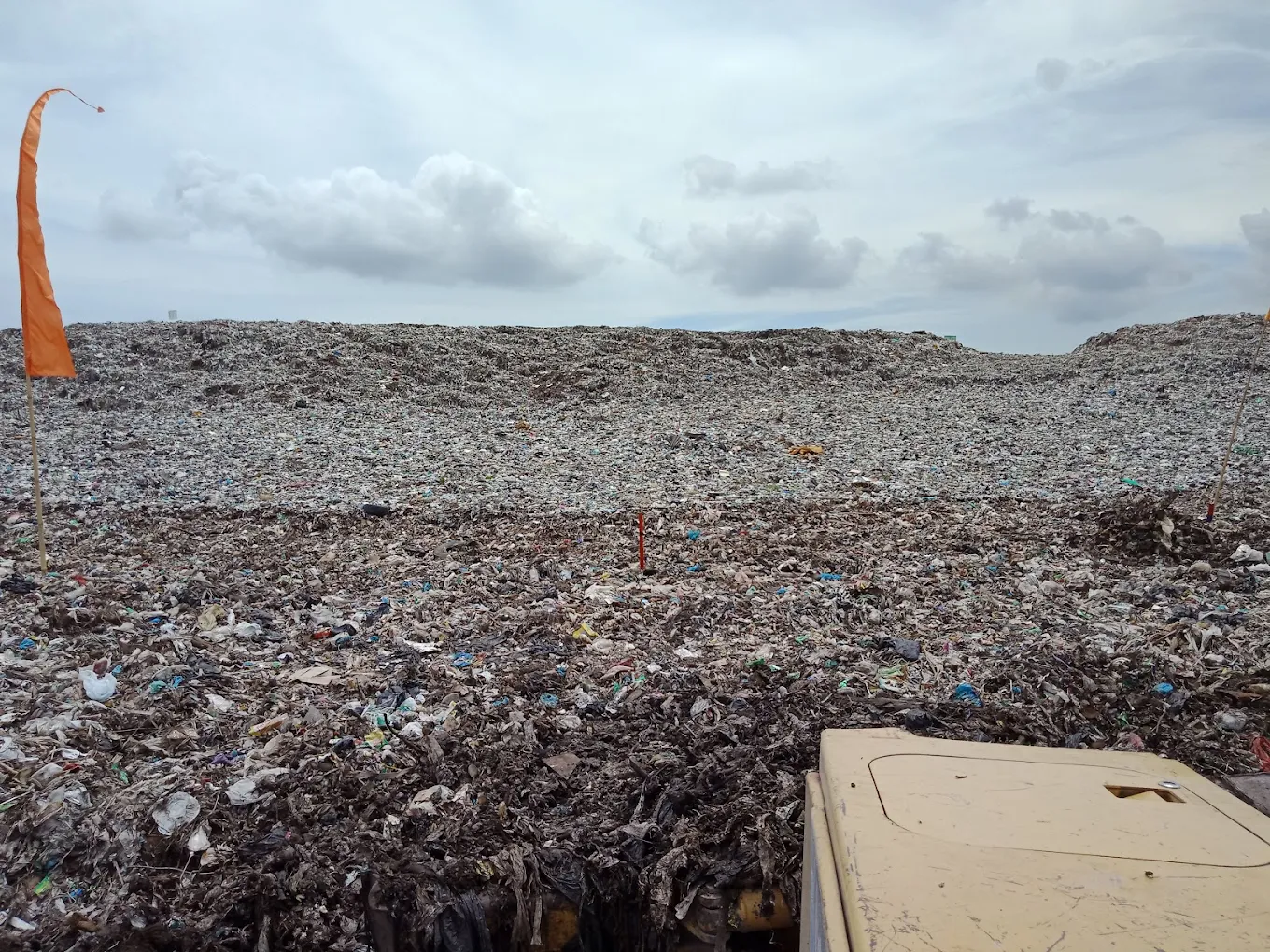
DENPASAR, Bali — In five days, Bali will enact a critical and long-mandated environmental directive: the permanent closure of its largest landfill, TPA Suwung. While the move aims to halt severe pollution and legal violations, it has exposed a profound vulnerability in the island’s infrastructure, leaving its core tourism economy without a ready, large-scale solution for the waste it generates. The entire accommodation sector—from sprawling resort hotels and luxury villas to family-run homestays—now risks facing a logistical crisis that could visibly undermine the island’s carefully curated image.
Governor I Wayan Koster’s decree, which bans Denpasar and Badung Regency from using Suwung after December 23, 2025, follows a national order to end its polluting open-dumping system. Officially, the site may only receive fully processed residual waste. In practice, the transition appears dangerously incomplete. As reported by Kompas, I Kadek Adnyana, Chairman of the Bali Villa Rental and Management Association (BVRMA), stated that while partial solutions like on-site organic processing exist for some, a comprehensive alternative is absent. For countless businesses without space or capital for such systems, he warned, garbage may simply “end up piled up in front of the villa.”
This looming problem extends far beyond villas. Badung and Denpasar—the two regions most saturated with over 12,000 registered accommodations—have historically depended on Suwung. While authorities have promoted decentralized solutions like community recycling centers (TPS3R), these systems are not yet scaled, synchronized, or universally accessible enough to meet the imminent deadline. The governor’s call to optimize all existing facilities underscores a gap between policy and practical readiness.
“The Suwung closure forces a stark accountability,” says Giostanovlatto, founder of Hey Bali. “It’s a systemic stress test, not a niche villa issue. Bali has sold a dream of sustainable paradise, but now must demonstrate the unglamorous, back-end systems that prevent that dream from becoming a literal garbage dump. The next chapter of Bali’s tourism will be written not on Instagram, but in how it manages what it throws away.”
For the island’s international community and visitors, the stakes are tangible. The crisis threatens to transform from a bureaucratic headline into a daily reality of overflowing bins, impacted neighborhoods, and polluted landscapes. Closing Suwung is an environmentally necessary step, but its execution—rushed and without a fully operational alternative—threatens to trade a contained environmental problem for a dispersed aesthetic and sanitary disaster. Bali’s reputation now hinges not on marketing, but on managing its waste in real time.
Hey Bali News provides independent analysis on the environmental and infrastructural pressures shaping life and business in Bali for its global community.