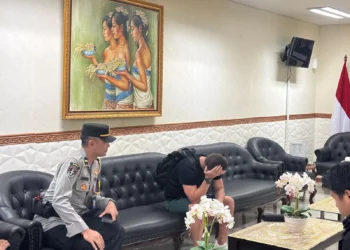


































DENPASAR, Bali — Beyond Bali’s carefully curated image of beaches, temples, and hospitality lies a quieter urban challenge, one faced by many global tourist cities: how to respond humanely to homelessness and street begging without allowing the problem to quietly grow.
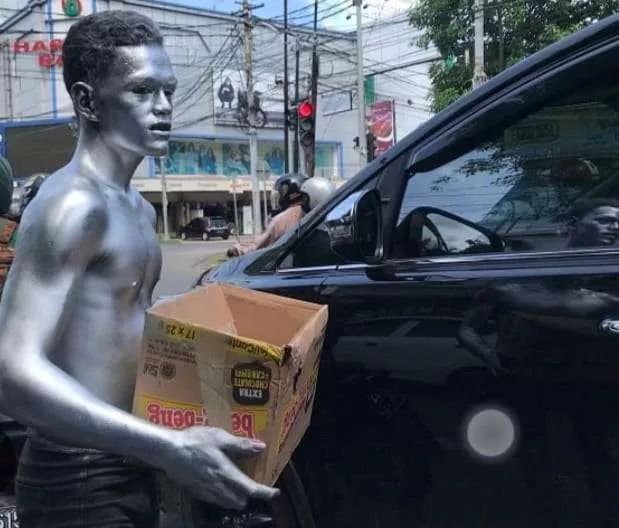
In Denpasar, the island’s capital, local authorities say they are caught in a cycle that has proven difficult to break. Beggars, homeless individuals, and street performers — including the so-called “silver men” who coat themselves in paint to attract attention — are routinely assisted, sheltered, and returned to their regions of origin. Yet many eventually make their way back to Bali.

A Pattern That Repeats
According to the city’s Social Affairs Agency, most individuals currently found begging on Denpasar’s streets are not Balinese. Many arrive from outside the island, particularly from West Java, while others come from as far away as Sumatra. Their ages vary widely, from young adults in their twenties to elderly individuals in their sixties and seventies.
Some arrive with fragile plans that quickly collapse. In one case described by city officials, an entire family moved to Bali, rented a room for a few months, and then became homeless when they could no longer afford the rent.
Under existing procedures, the city provides basic assistance and arranges for individuals to be returned to their hometowns. But the solution is often temporary. Officials say some return to Bali within months, sometimes staying briefly in neighbouring districts before reappearing in Denpasar.
The pattern has left authorities questioning whether repatriation alone is enough — or whether it unintentionally encourages repeated migration.
Humanitarian Limits and Legal Gaps
The dilemma is compounded by administrative realities. Many of those encountered by social workers lack official identification documents. Some have never registered for a national ID at all, complicating efforts to access healthcare, social services, or formal assistance programs.
Despite these challenges, emergency care remains a priority. Individuals found sick or vulnerable are taken to hospital, regardless of their legal or administrative status.
In some cases, the situations are deeply tragic. Officials recount instances in which individuals suffering from serious illnesses were returned to their families, only to be rejected. In another case, a homeless person died in a public hospital in Denpasar, and their family refused to accept the body. The city ultimately coordinated with local community groups to ensure the individual received a proper burial.
Enforcement Without Easy Answers
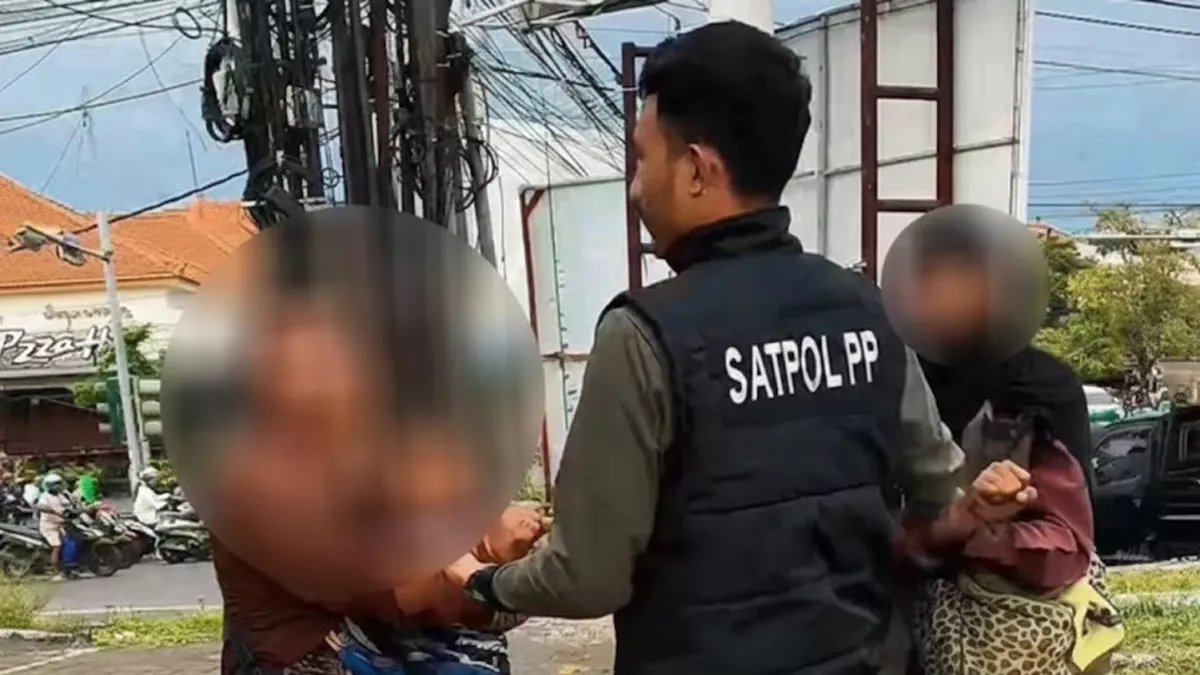
Periodic street operations continue. Earlier this year, municipal officers detained dozens of beggars, street musicians, and informal performers across the city. They were registered, counselled, and released — a process that has become routine.
Yet officials acknowledge that enforcement alone does little to address the root causes: economic vulnerability, internal migration, and the powerful pull of Bali’s reputation as a place of opportunity.
For a city that markets itself globally as welcoming and orderly, the presence of visible poverty raises uncomfortable questions. Where does compassion end, and responsibility begin? How does a city protect public spaces without criminalising poverty? And how does a tourist destination manage social realities that are rarely featured in travel brochures?
A Shared Challenge for Global Cities
Denpasar’s experience is far from unique. From Barcelona to Bangkok, cities that attract visitors and migrants alike face similar tensions. Bali’s case stands out only because of the stark contrast between its global image and the quiet struggles unfolding on its sidewalks.
For expatriates and long-term visitors, the issue offers a deeper look into the island beyond leisure and lifestyle. It reveals a city negotiating the limits of its social safety net, balancing humanitarian values with practical constraints.
For now, Denpasar continues to respond case by case — assisting where possible, repatriating when necessary, and grappling with a problem that refuses simple solutions. In a city shaped by movement — of tourists, workers, and dreamers — the question remains not whether people will keep coming, but how the city chooses to respond when they arrive with nowhere else to go.
#heybalinews