































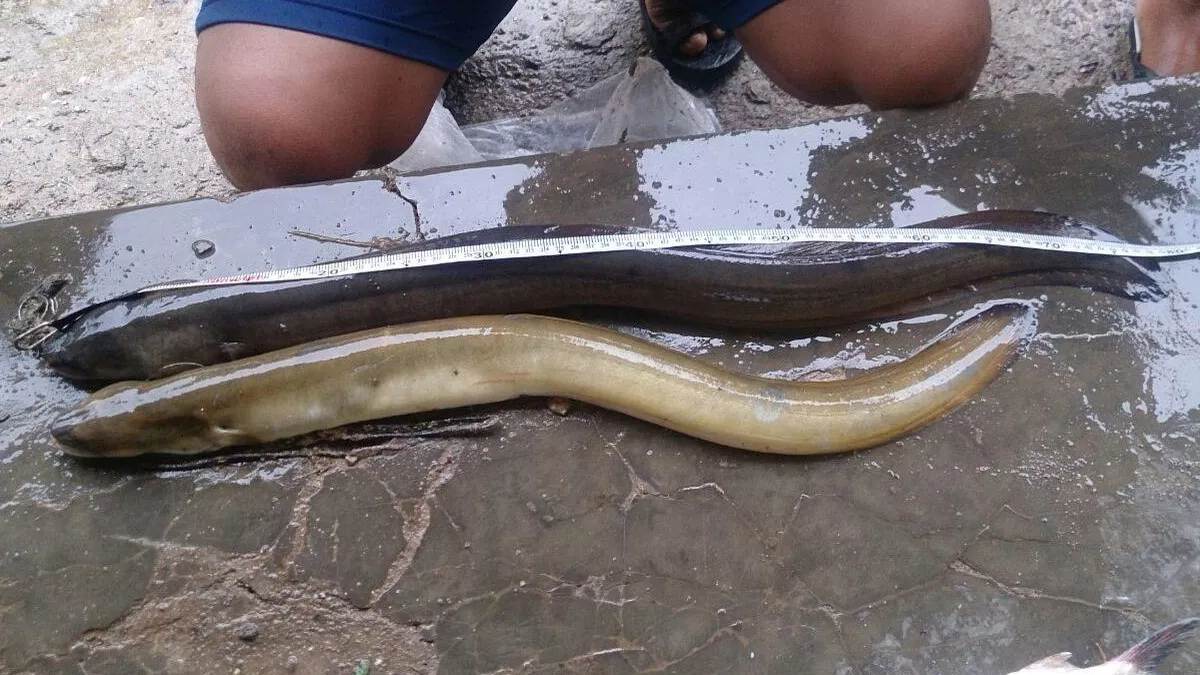
In a quiet corner of the archipelago’s aquatic bounty, a local fish surpasses a global health icon in nutritional value, presenting a narrative of untapped potential, delicate sustainability, and a challenge to the world’s wellness plate.
DENPASAR, Indonesia — In the global lexicon of wellness foods, fatty fish like salmon reign supreme, synonymous with heart health, brain function, and omega-3 fatty acids. Yet, emerging research from Indonesia’s National Research and Innovation Agency (BRIN) highlights a formidable local challenger: the sidat, or Indonesian eel, a species that not only rivals but exceeds salmon in its concentration of critical nutrients.
According to BRIN’s findings, the eel boasts the highest levels of omega-3 fatty acids—specifically DHA and EPA—among its peers, alongside a rich profile of vitamins A and B complex, iron, and protein. “We’ve always thought salmon was the highest, but it turns out eel has the highest nutritional value,” stated Gadis Sri Haryani, a senior researcher at BRIN’s Limnology and Water Resources Research Center.
This revelation positions an often-overlooked local resource at the center of a global conversation about health, sustainability, and conscious consumption.
A Wellness Proposition for Bali and Beyond
For Bali’s deeply entrenched wellness economy—from yoga retreats and longevity clinics to health-conscious cafes frequented by expatriates and visitors—the eel’s profile is compelling. It represents a potent, locally available alternative to imported Atlantic salmon, aligning with movements toward “eating local” and reducing food miles.
The high concentrations of DHA, crucial for cognitive function, and EPA, known for anti-inflammatory properties, speak directly to the health priorities of a globally-minded audience seeking holistic well-being.
Yet despite Bali’s reputation as a global wellness capital, eel remains largely absent from the island’s health-focused menus—an omission that reflects not a lack of value, but a profound gap in awareness and a sustainable, traceable supply chain.
The Delicate Balance: A Biological Marvel at Risk
However, the story of the Indonesian eel is one of profound ecological sensitivity. Its life cycle is katadromous: born in the deep ocean, its larvae drift to estuaries, transforming into transparent “glass eels” before migrating up freshwater rivers to mature.
This journey across three ecosystems makes it acutely vulnerable. High demand, particularly for glass eels, has led to overexploitation, habitat disruption, and volatile market prices, threatening the species’ survival even as its nutritional fame grows.
Indonesian authorities have implemented quotas and size restrictions to foster a sustainable industry, aiming to shift from wild export to domestic cultivation and value-added processing. Yet, challenges in hatchery capacity, feed sourcing, and enforcement remain significant hurdles.
A Global Irony and a Local Opportunity
This creates a striking paradox: as the world imports vast quantities of farmed salmon, an indigenous Indonesian species with superior nutritional credentials struggles for sustainable management.
The eel’s journey from a hidden river dweller to a potential superfood icon encapsulates a critical question for Indonesia—and for conscious consumers in Bali: can the value of a natural resource be realized not through extraction, but through stewardship?
For Bali, a place that markets itself on harmony with nature, the eel’s tale is a microcosm of a larger sustainability challenge. It presents an opportunity to champion a food that is both globally relevant and locally significant—provided its story is one of ecological intelligence, not just nutritional prowess.
The future of the Indonesian eel may well depend on whether it becomes a symbol of a truly sustainable wellness economy, or merely another chapter in the exploitation of a fragile natural wonder.