



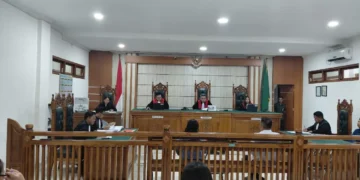



















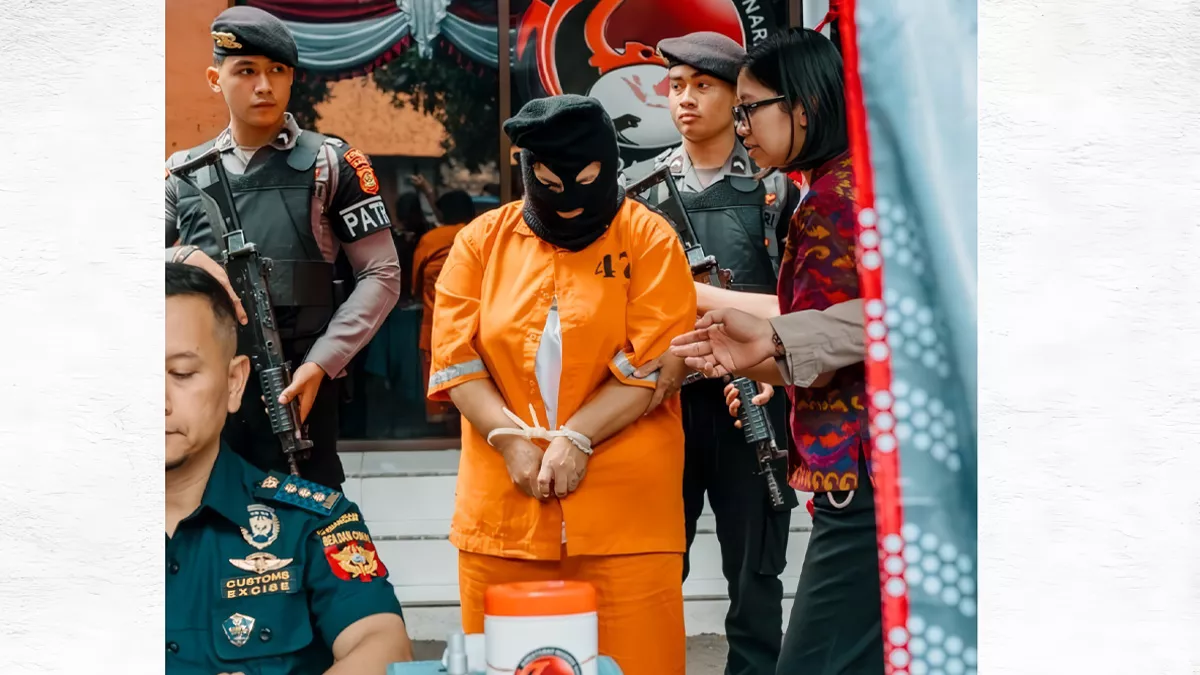
DENPASAR, Bali — In the sterile, procedural space of the Denpasar District Court, where the language is of statutes and evidence, a human plea for spiritual solace briefly interrupted the machinery of justice on Tuesday. The sentencing hearing for Natalia Sofia Baca Cordova, a 42-year-old Peruvian national convicted of smuggling cocaine and ecstasy into Bali, was postponed. The reason: the defendant requested the presence of a priest.
“We received information from the family. Today, she asked that before being sentenced, she be accompanied by a priest, and one has already been contacted,” explained her lawyer, Michael Calvirad Meo Ghary, outside the courtroom. The proceeding was rescheduled for Thursday, January 8, 2026.
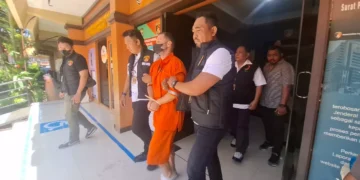
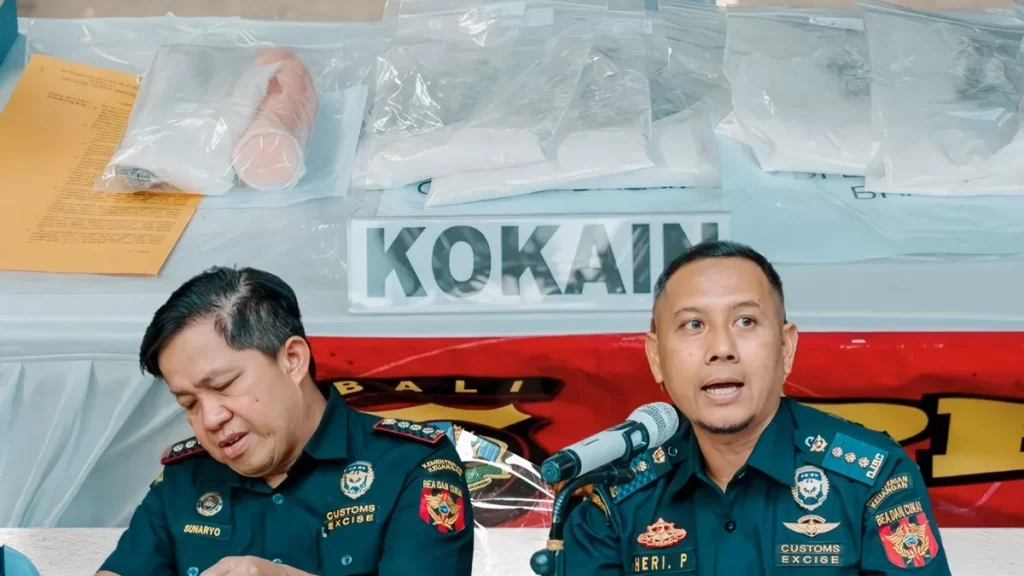
The delay underscores the profound personal crisis unfolding behind the stark legal headlines. Natalia was arrested at Bali’s I Gusti Ngurah Rai International Airport in August 2025 after customs officers discovered 1.4 kilograms of cocaine and 85 ecstasy pills concealed on her body. The cocaine was reportedly hidden inside a sex toy inserted in her vagina, with additional pills sewn into her underwear. Prosecutors allege she was promised a payment of Rp 320 million (approximately $20,000 USD) by a fellow Peruvian identified only as PB.
As the court prepares to deliver a verdict that could see Natalia imprisoned for 16 years and fined Rp 2 billion, her defense is weaving a narrative not of innocence, but of desperate circumstance. “Of course, it was due to economic factors,” her lawyer stated. “She is a single parent. As the family’s breadwinner without a steady income, she felt compelled to do this. It’s human.”
Her legal team now appeals for leniency, urging the panel of judges to look beyond the weight of the drugs and into the weight of her situation. They highlight her cooperation, her clean record in Indonesia, and the fact that in her native Peru, where certain narcotics have been decriminalized, the cultural and legal context differs starkly from Indonesia’s notoriously strict anti-drug regime.
“Natalia has behaved well, caused no problems, and did not destroy evidence. Throughout the police investigation, she was always cooperative,” Michael asserted. “We hope that in the upcoming sentencing hearing, the panel of judges will not only view this case from a legal perspective but also consider humanitarian aspects.”
The case presents the Bali judiciary with a familiar yet endlessly complex dilemma: balancing the rigid, severe penalties demanded by Indonesian narcotics law against the mitigating tapestry of a defendant’s life.
For the global community in Bali—a place synonymous with both spiritual seeking and, in its shadows, illicit trade—Natalia’s request for a priest is a stark symbol of that collision.
It is a search for redemption in a system designed for punishment, a final plea for mercy before the gavel falls on a journey that began with economic desperation and culminated in a holding cell on the Island of the Gods. The court, on Thursday, will decide which narrative holds more weight.
Source by Detik Bali
Written by Hey Bali Newsroom