




























After high-level criticism, Bali deploys a permanent task force with hourly shifts to intercept waste before it ever piles up on the sand.
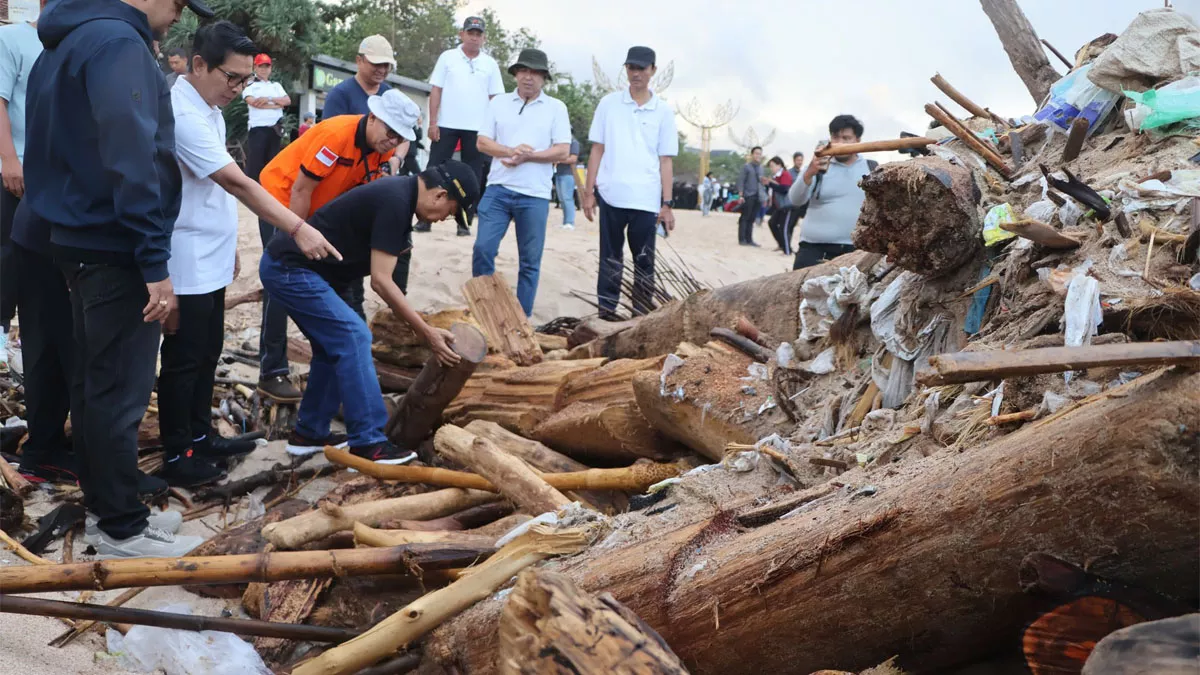
BALI — The battle for Bali’s iconic coastline has entered a new, round-the-clock phase. In response to mounting criticism over visible pollution, local authorities have moved beyond symbolic clean-ups and announcements to launch a tangible, operational system: a permanent, 24-hour beach cleaning task force designed to intercept marine debris the moment it arrives.
The plan, initiated by Governor I Wayan Koster and immediately actioned by Badung Regent I Wayan Adi Arnawa, marks a fundamental shift in strategy. It replaces the traditional model of reactive morning and evening clean-ups with a doctrine of constant surveillance and rapid response along the critical tourist belt stretching from Kedonganan to Seminyak.
The Mechanics of a Permanent Presence
The core of the plan is logistical. The Badung Environmental Agency (DLHK) has been directed to implement three key changes:
- Increased Personnel: Deploying additional cleaning staff to work in staggered shifts, ensuring coverage “every hour,” as mandated by the Governor.
- Enhanced Fleet: Adding more trucks and heavy equipment to be stationed near the beachfront for immediate waste removal.
- Extended Monitoring: Establishing continuous field supervision to coordinate the round-the-clock effort.
“The personnel will be here, the trucks will be here, the heavy equipment will be here,” Governor Koster outlined. “So as soon as trash arrives, it is immediately taken, collected, loaded onto trucks, and taken to the landfill.”
A Direct Response to a Broken System
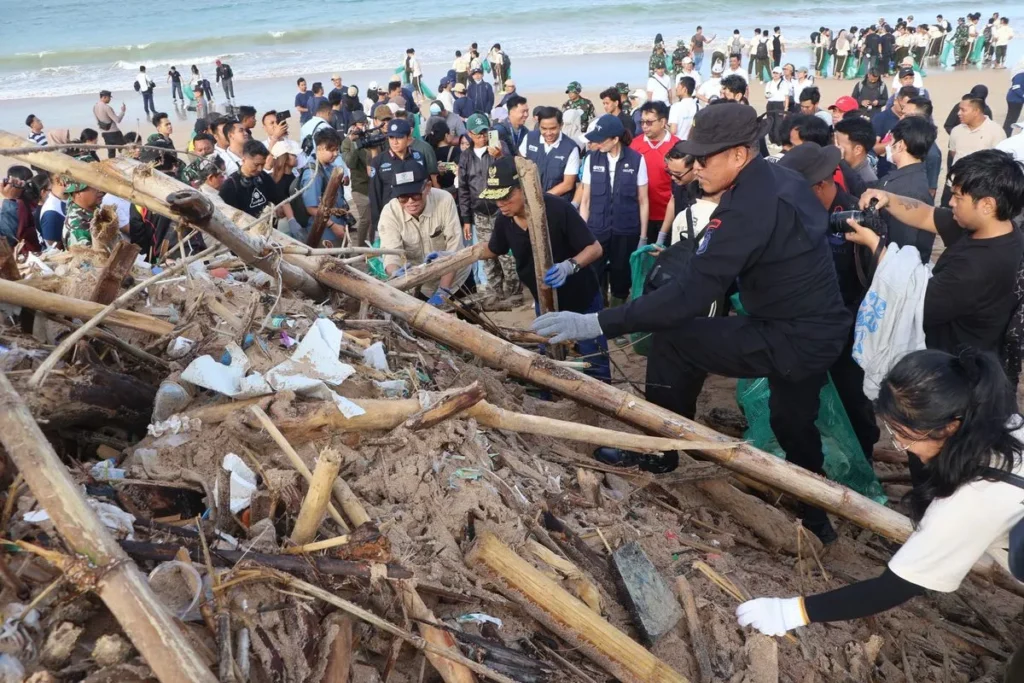
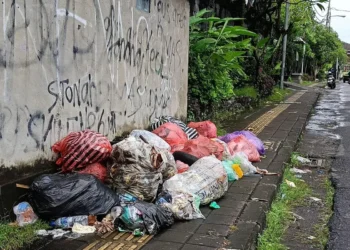
This systematic overhaul directly addresses the frustrating cycle that has plagued beaches like Kuta and Kedonganan: clean sand in the early morning giving way to accumulating piles by afternoon due to continual waves of ocean-borne plastic. The previous system, as described by officials, was simply outmatched by the volume of “incoming trash” carried by seasonal currents.
For the hospitality and tourism industry—from five-star resorts in Seminyak to beach clubs in Canggu—this operational shift is a critical development. The sight of trash on the sand is not just an environmental issue but an immediate business concern, directly impacting guest experience and Bali’s premium brand. The new task force offers a promise of consistency: a dedicated team whose sole purpose is to prevent the visual blight that has sparked national headlines and tourist complaints.
Funding, Scale, and Self-Reliance
The province has signaled it will handle the cost internally. Governor Koster pointed to an existing Rp 11 billion allocation from the Foreign Tourist Levy for landfill management as a funding base, asserting no additional central government help is needed. Badung Regency will bear the direct costs for its coastline, with Regent Arnawa noting the existing fleet of 71 waste vehicles would be supplemented through rental systems to manage the expected surge during the remaining rainy season until March.
The scale is significant. The operational zone encompasses some of Bali’s most valuable and visible shoreline. Success will be measured in the absence of trash mounds, a clean stretch of sand maintained not by chance, but by a designed and funded system working in perpetual motion.
For tourists planning a visit and businesses operating on the coast, the message is one of committed, albeit belated, operational resolve. Bali is not just acknowledging its waste problem; it is engineering a shift-based, mechanized response to solve it. The 24-hour task force is now the frontline defense for the island’s most valuable asset, turning a crisis of perception into a matter of scheduled shifts and logistical precision.