

























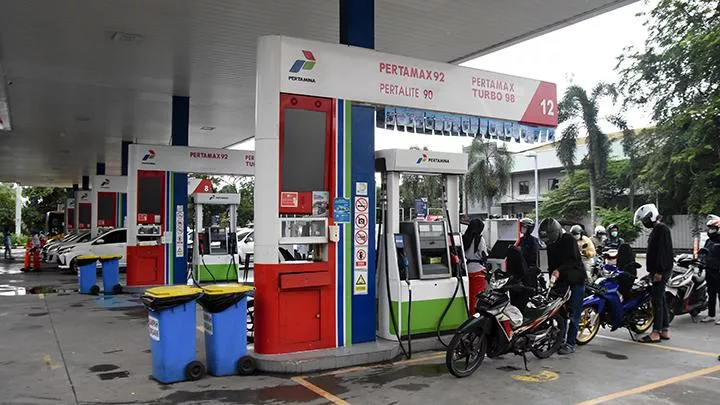
A modest but welcome reduction in the price of premium gasoline offers a slight easing of operational costs across Bali’s vast transport network, potentially influencing the daily budgets of visitors and long-term residents alike.
DENPASAR, Bali — For the millions of visitors and foreign residents who navigate Bali on two wheels or four, the cost of fuel is a silent but significant line item in the daily budget. A recent price adjustment by the state energy company Pertamina has brought a slight reduction in the cost of non-subsidized fuels, most notably a Rp 550 per liter drop for Pertamax, now priced at Rp 11,800. While tourists rarely visit the pump themselves, this decrease ripples through the island’s entire mobility ecosystem.
Effective February 1, 2026, the price adjustments target premium fuels like Pertamax, Pertamax Turbo, and diesel variants, while the subsidized Pertalite and Biosolar remain unchanged. The move reflects a routine national price review linked to international oil market trends.
The Practical Impact: From Motorbikes to Private Drivers
The direct beneficiary of this change is the vast fleet of vehicles that keep Bali moving. For the island’s legion of motorbike rental operators, tour drivers, and transport services, fuel is a primary operational cost. A reduction, even a modest one, can improve margins or, in a competitive market, create room to stabilize or slightly reduce service prices for end-users.
- Motorbike Rentals: A lower fuel cost can help rental owners absorb other rising expenses, potentially keeping daily or weekly rental rates stable for tourists.
- Private Car & Driver Services: For travelers who hire a car and driver for the day—a staple of Bali tourism—the driver’s running costs decrease slightly, which may contribute to more competitive package offerings.
- Expatriate Daily Life: For long-term residents who own vehicles, the savings, though small per liter, add up over monthly commutes and island exploration.
Context: Bali’s Fuel in a Global Frame
It is important to contextualize this change. Even after the reduction, fuel in Bali—and Indonesia broadly—remains relatively affordable compared to many Western nations, Australia, or neighboring Singapore. The price of Pertamax (approximately $0.77 USD per liter) is a fraction of what drivers pay in most of Europe. This fundamental affordability is a key reason transportation costs in Bali have long been a comparative bargain for international visitors.
A Nuance in the Fuel Ecosystem
The price drop applies only to non-subsidized fuels like Pertamax, which are typically used in newer cars and higher-performance motorbikes. The vastly more common subsidized fuel, Pertalite (Rp 10,000/liter), used by most local scooters and older vehicles, saw no change. This creates a two-tiered system where the cost impact varies depending on the type of vehicle a tourist rents or a service uses.
For the savvy traveler or expat, the news is a minor positive indicator. While not a dramatic shift, it represents a small counter-pressure against the island’s general trend of gradual inflation. It underscores that the experience of getting around Bali—the freedom of a scooter ride through rice terraces or the convenience of a hired car—remains underpinned by globally influenced, yet locally managed, economic factors. In the calculus of a holiday or a life abroad, every rupiah saved on logistics is another that can be spent on experience.