






















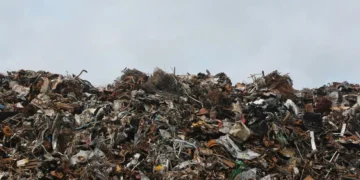
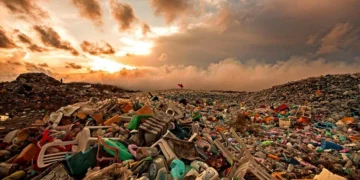
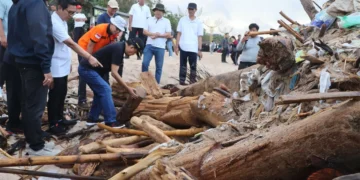

DENPASAR, Bali — With just four days remaining until the permanent closure of Bali’s primary landfill, a growing waste management crisis is unsettling the island’s capital. The scheduled shutdown of the Suwung Final Disposal Site (TPA) on December 23 has left residents and local officials grappling with uncertainty, as reports emerge that trash collection has already halted in some neighborhoods.
The situation presents a stark challenge to Bali’s carefully maintained image as a pristine tourist destination, juxtaposing urgent local logistics against the backdrop of the year-end holiday season, when household waste typically surges.
Leadership’s Dismissive Response Contrasts with On-Ground Anxiety
The pressing issue was met with a notably casual response from Bali’s highest official. Following a troop review on Thursday, December 19, Governor Wayan Koster was questioned by reporters about concrete solutions for Denpasar’s waste post-Suwung. He offered a brief, evasive reply before walking away: “Don’t ask about that yet, it will go viral,” he said with a thin smile.
This dismissiveness stands in sharp contrast to the rising anxiety on the ground. In West Denpasar, community waste management officers have reportedly raised white flags, signaling a stop to operations. On Jalan Pulau Misol, collections have ceased, leaving residents confused and concerned.
“The officers informed us that today was the last collection. We are confused; where are we supposed to dispose of it going forward? There is no solution from the government, yet waste keeps piling up every day if it’s not collected,” said Dewi, a local resident.
A Ticking Clock and the Specter of Illegal Dumping

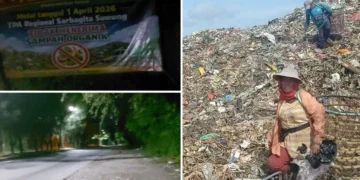
The lack of a clear, communicated alternative disposal plan has transformed the waste issue into a ticking time bomb. Experts and residents alike fear the vacuum will lead to increased illegal dumping along roadsides and rivers, posing environmental and public health risks while severely damaging Bali’s aesthetic appeal.
This imminent breakdown poses a direct threat to daily life. Tourism observer Giostanovlatto warns of a sharp deterioration within days if no interim solution is broadcast.
“The next 72 hours are critical. Without immediate, clear directives from the provincial government, we will see a rapid normalization of illegal dumping in suburban alleys and irrigation canals. The social contract on waste disposal will erode overnight, and reversing that behavior will be far harder than solving the logistical crisis,” he stated.
This behavioral shift, he argues, could become the crisis’s most lasting and damaging legacy.
For the international community in Bali—expatriates, business owners, and long-term visitors—the crisis is a tangible reminder of the island’s ongoing struggle with infrastructure and sustainability. The closure of TPA Suwung, while a necessary step toward a more modern waste management system, has exposed a critical gap in transitional planning.
As Denpasar residents await clarity, the episode raises broader questions about environmental governance and crisis communication in a region whose global reputation is inextricably linked to its natural beauty.
Hey Bali News provides clear, contextual reporting on the issues affecting life in Bali, offering our global audience trusted insight into the island’s evolving challenges and developments.