
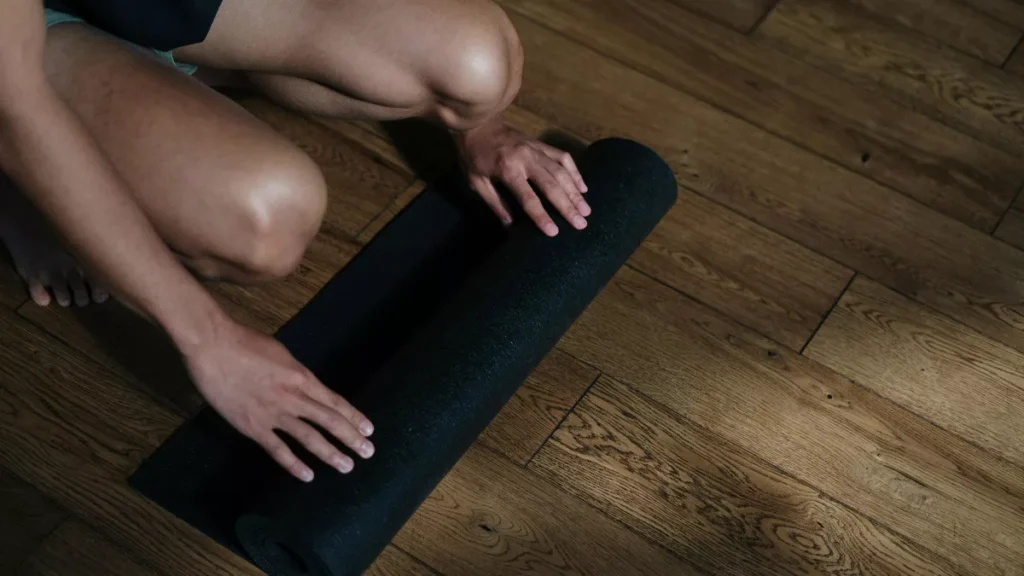
BADUNG, Bali — In Bali, a yoga mat rarely stays in one place. It moves—from polished studio floors to beachfront sessions, from shaded jungle decks to sunlit villas—absorbing not just sweat, but humidity, salt air, and dust.
For many who practice here, the mat is more than equipment. It is a portable sanctuary. But like any space that is used often, it collects what cannot be seen—and in Bali’s tropical climate, what you don’t see can build faster than you think.
The Hidden Risk Beneath the Surface
A yoga mat is one of the most frequently touched surfaces in any wellness routine. Each session leaves behind sweat, natural oils, and microscopic debris. In cooler climates, that buildup dries quickly. In Bali, it lingers.
Humidity slows evaporation. Warm air accelerates bacterial growth. And when a mat is rolled up before it fully dries, it creates the ideal environment for mold.
Left unchecked, this can lead to more than just odor. Skin irritation, fungal infections, and respiratory sensitivities can all stem from prolonged exposure to contaminated surfaces.
In a place where many practitioners move between indoor studios and outdoor settings—beaches, retreats, open-air shalas—the exposure is compounded by sand, salt, and airborne particles.
Why Cleaning Is Not Optional in Bali
In many parts of the world, cleaning a yoga mat is a matter of maintenance. In Bali, it is a matter of hygiene.
Local instructors often emphasize that a mat can begin developing microbial growth within 24 to 48 hours if left damp. And because many practitioners use their mats daily, the accumulation happens gradually—often unnoticed until it becomes visible.
The result is a paradox: a space intended for clarity and well-being can quietly become a source of discomfort.
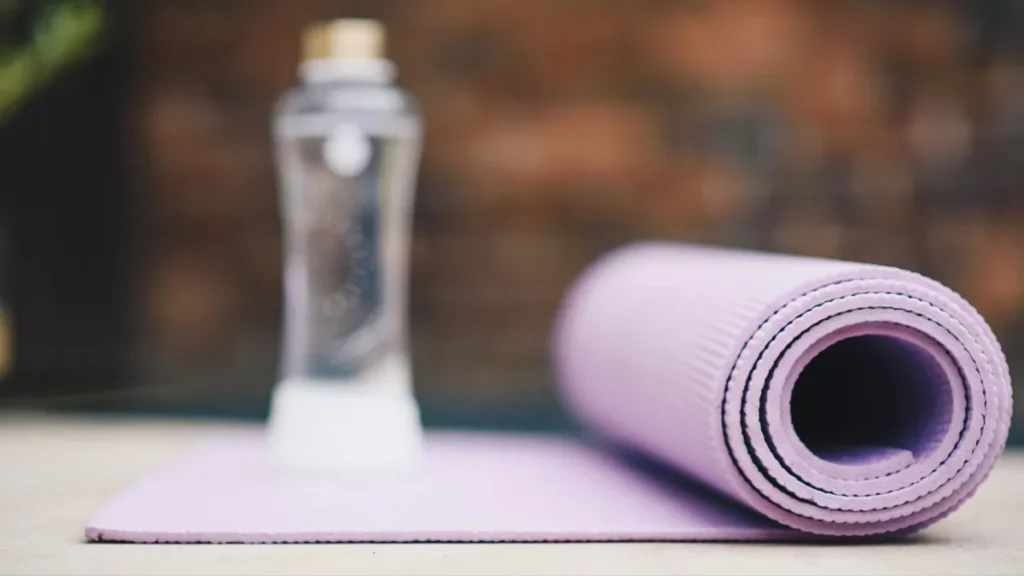
Illustration photo showing a light purple yoga mat and cleaning fluid in a plastic bottle (Pexels)
A Simple, Effective Cleaning Routine
Most yoga studios in Bali recommend non-toxic, natural cleaning methods that are gentle on both the body and the environment.
Natural Cleaning Solution
You’ll need:
- A few drops of tea tree oil (naturally antibacterial and antifungal)
- ½ cup white vinegar
- 2 tablespoons baking soda
- Water
- Spray bottle
- Microfiber cloth
How to clean:
- Mix the ingredients in a spray bottle and shake gently.
- Spray onto a cloth (not directly onto the mat) to avoid oversaturation.
- Wipe the entire surface, focusing on high-contact areas.
- Let the mat air dry completely before rolling.
Tea tree oil is widely used in Bali’s wellness community for its antimicrobial properties. Alternatives like lavender or eucalyptus can be used, though they are less potent.
Can You Machine Wash Your Mat?
It depends on the material.
Some synthetic mats can handle a gentle cold cycle. But natural rubber mats—popular in Bali for their grip and eco-friendly appeal—can degrade if washed improperly.
If machine-washable:
- Use cold water
- Avoid harsh detergents
- Skip the dryer—always air dry
Steam cleaning is another option used by some studios. It sanitizes without chemicals, but still requires thorough drying afterward.
When in doubt, always follow manufacturer guidelines. In Bali’s climate, damage often comes not from washing—but from improper drying.
Drying and Storage: The Step Most People Skip
Cleaning a mat is only half the process. Drying it properly is what keeps it safe to use.
Never roll a damp mat. Even if the surface feels dry, moisture can remain trapped inside.
Instead:
- Hang or lay the mat flat in a well-ventilated area
- Keep it out of direct sunlight, which can weaken materials
- Allow extra drying time in humid conditions
In Bali, this step is critical. A mat stored incorrectly can develop mold in as little as a day.

How Often Should You Clean It?
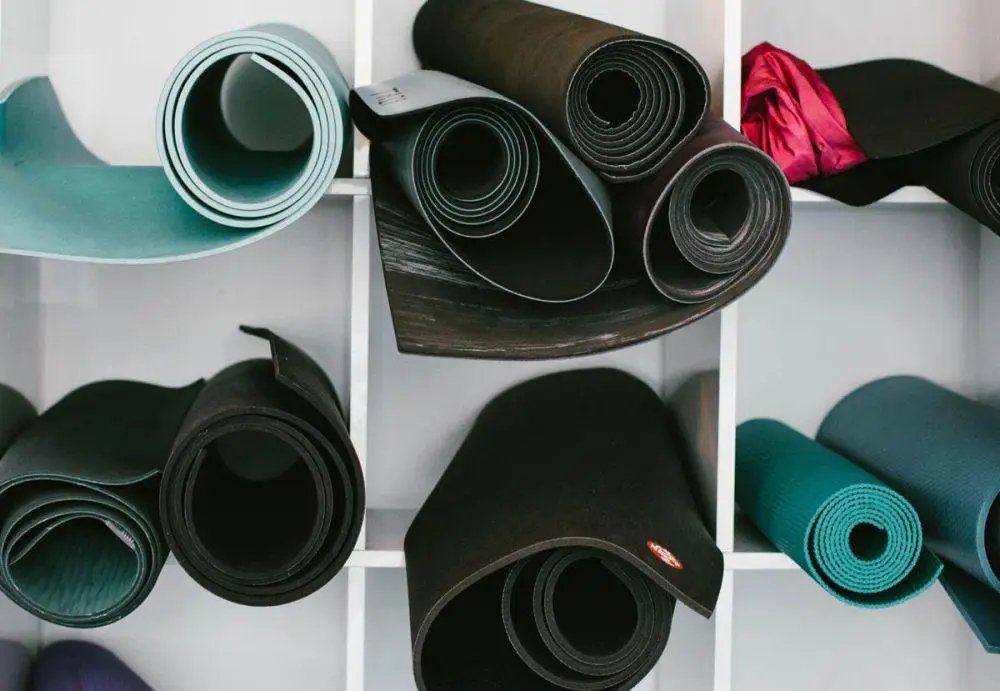
- Daily use: Wipe down after each session, deep clean weekly
- Occasional use: Deep clean every two weeks
Consistency matters more than intensity. A mat that is cleaned regularly rarely develops buildup.
More Than Just Maintenance
In Bali, yoga exists at the intersection of spirituality and lifestyle. Mats are carried to retreats, classes, beaches—shared across spaces that are both sacred and social.
Caring for a mat, then, is not just about cleanliness. It is about respect—for the practice, for the body, and for the environment in which both exist.
Because in a place where wellness is woven into daily life, even the smallest rituals matter.
The Bottom Line
A yoga mat in Bali is exposed to more than most. Heat, humidity, and movement across environments make regular cleaning essential—not optional.
And while the process is simple, the impact is significant.
A clean mat supports not just better practice, but safer, more mindful living.