





























NUSA PENIDA, Kelingking Blue— The jagged limestone cliffs of Kelingking Beach, a silhouette so iconic it has become a global shorthand for tropical paradise, now form the backdrop to a scandal that has forced Bali to confront, yet again, the dark underbelly of its digital-age allure. Dubbed ‘Kelingking Blue’ by a weary online community, an explicit video allegedly filmed on its sacred bluffs is spreading across the internet, prompting a police manhunt and exposing the fragile line between a destination’s openness and its exploitation.
The 8-minute, 22-second recording, which had garnered over 77,000 views on a major global pornography site by Saturday, features a blonde woman engaged in a lewd act against the unmistakable vista of Kelingking’s coastline and its iconic islet. Its emergence follows closely on the heels of the ‘Bonnie Blue’ case—where foreign tourists faced legal action over content filmed in a villa—suggesting a disturbing pattern of Bali’s landscapes being co-opted for illicit digital commerce. This new case, Kelingking Blue, reinforces a troubling trend.
A Sacred Landscape, Profaned
For locals, Kelingking is not merely a photogenic curve of rock and sea. It is a site imbued with cultural and spiritual significance, part of the living tapestry of Balinese Hinduism. The alleged filming in the area’s coastal shrubland is seen not just as a legal transgression, but as a profound cultural violation—a digital trespass that stains a sacred space with global, indelible infamy. The Kelingking Blue video transforms a spiritual vista into a source of global scandal.
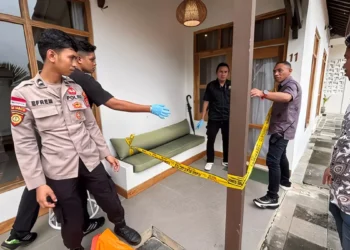
“We are conducting clarifications and an investigation to confirm whether the location in the video is indeed within the Kelingking tourism area,” said AKP I Ketut Kesuma Jaya, Chief of the Nusa Penida Police. His statement underscores a frantic scramble by authorities to verify facts in a case that has already tried and convicted Bali in the court of global public opinion. The investigation into Kelingking Blue is a race against the viral spread of the island’s defamed image.
The police have deployed a team to establish the precise location, timing, and identities of those involved, while also tracing the digital origin of the video’s spread. “We urge the public to remain calm and not to further disseminate the video,” Kesuma Jaya stressed, warning that sharing such content carries legal consequences and violates societal norms. The circulation of Kelingking Blue complicates the legal and social recovery.
The Recurring Nightmare of ‘Viral Vandalism’
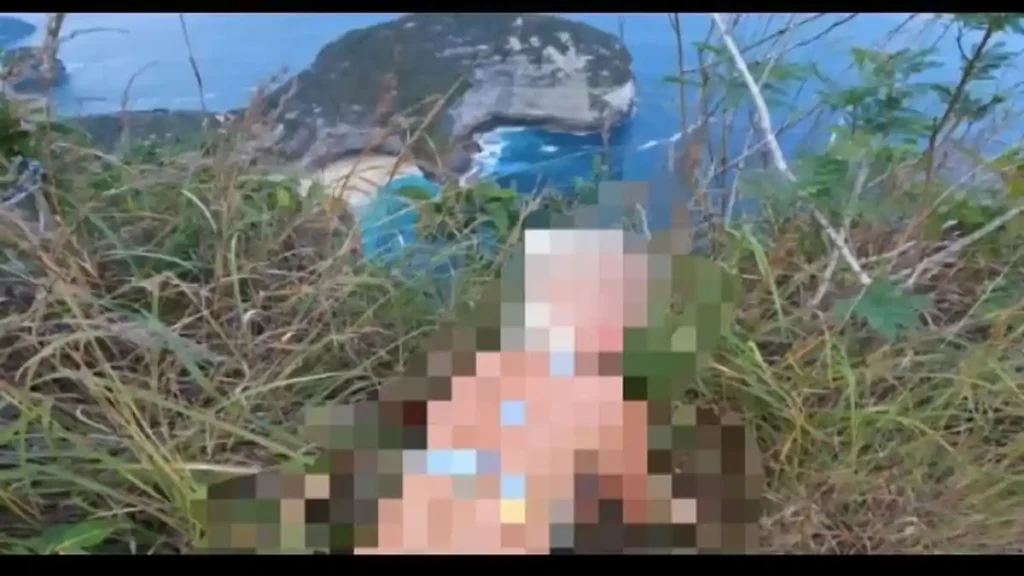
The Kelingking Blue incident is not an anomaly; it is the latest chapter in Bali’s ongoing struggle against what critics call ‘viral vandalism’—the use of its natural and cultural heritage as a sensational backdrop for content designed to generate clicks, revenue, or notoriety on the global internet. Each scandal, from trashed temples to trespassing drones, forces the same painful questions: How can an island that sells access to beauty protect its soul from digital commodification? Kelingking Blue is a stark symbol of this failure.
The local regency’s office, caught off-guard, has promised coordination with law enforcement. Kadek Yoga Kesuma, the District Head of Nusa Penida, stated he was previously unaware of the video but pledged immediate follow-up. This lag between viral global spread and local institutional awareness highlights a critical vulnerability that cases like Kelingking Blue exploit.
Beyond Policing: A Crisis of Digital Boundaries
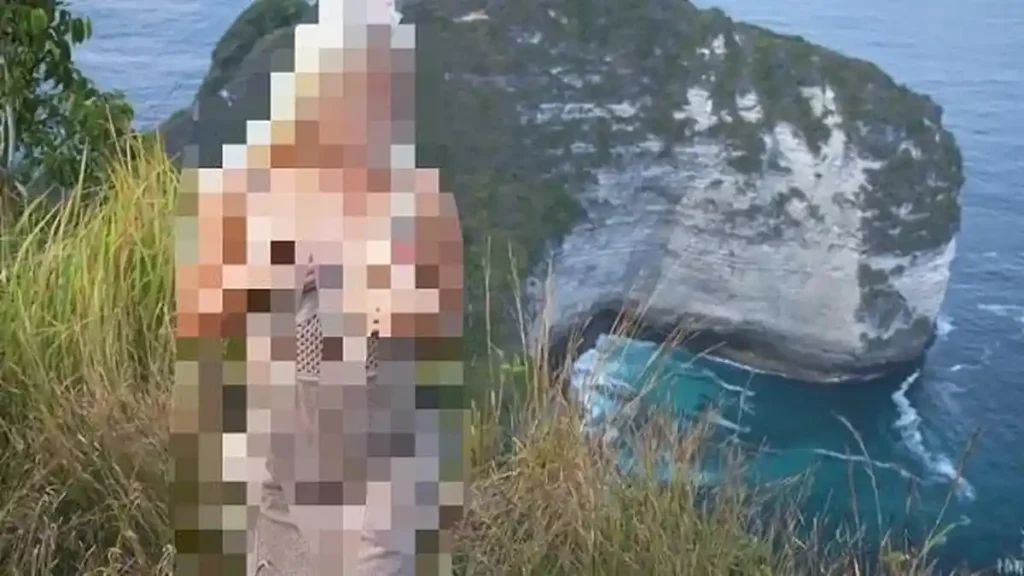
While police work focuses on the ‘who’ and ‘where,’ a more profound challenge remains: defining and enforcing digital trespass in an era where any smartphone can turn a sacred site into a film set for worldwide distribution. The incident reveals the inadequacy of physical signage and local norms against the borderless nature of online platforms, where anonymity is easy and monetization algorithms favour shock value. Kelingking Blue is a product of this unchecked digital frontier.
Bali’s authorities find themselves in a perpetual game of catch-up, reacting to digital wildfires long after they have ignited. The Kelingking Blue scandal, much like Bonnie Blue before it, will likely end with fines, deportations, or a fleeting arrest. But the systemic issue persists—a clash between the island’s physical, spiritual geography and the voracious, amoral appetite of the digital content machine that creates phenomena like Kelingking Blue.
As the police investigation continues, the true legacy of this Kelingking Blue video may not be in its view count, but in its role as another stark warning. Bali’s paradise is not just threatened by plastic waste and overtourism, but by a new, more intimate form of pollution: the calculated, global profaning of its most sacred views for private gain. The island’s battle for its identity is no longer fought only on its beaches and in its temples, but on the scrolling feeds of the entire world, where a single video like Kelingking Blue can inflict lasting damage.