
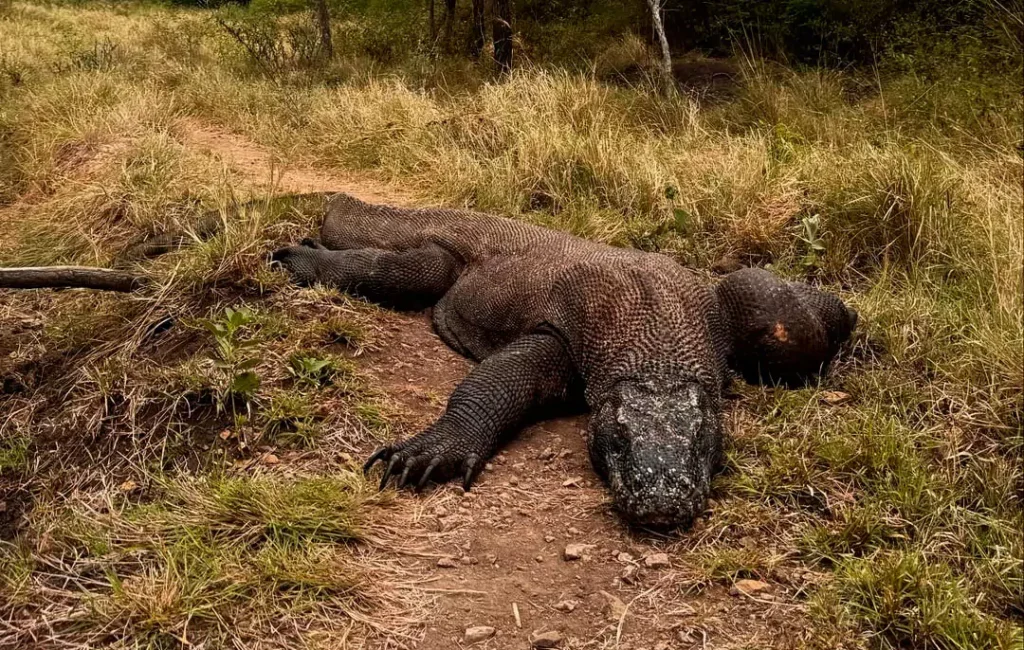
Responding to a post-pandemic tourism surge that strained the UNESCO site, authorities will implement a strict quota system and mandatory digital booking for all trips to the iconic dragon habitat.
LABUAN BAJO, Indonesia — In a decisive move to manage overtourism, Komodo National Park will impose a daily visitor cap of 1,000 people beginning April 2026. The policy, announced by the park’s management board (BTNK), formalizes a long-discussed carrying capacity limit and aims to mitigate the environmental pressure from a record-breaking influx of international travelers.
The decision follows a dramatic rebound in visitor numbers post-Covid-19. In 2025, the park recorded 432,217 visits—a sharp increase of nearly 100,000 from the previous year. The vast majority, approximately 340,000, were foreign tourists. During peak months like July 2025, daily footfall could exceed 1,700, nearly double the sustainable limit now being enforced.
A System Driven by Digital Regulation
To manage the quota, authorities will mandate the use of the official SiOra application for all reservations and ticket payments. The digital system, already introduced in early 2025, is designed to centralize bookings, prevent over-sales, and provide real-time data on visitor numbers.
The months leading up to April will be used for testing, public socialization, and operational simulations with tour operators.


Structured Visits and Safety Protocols
Beyond the overall daily limit, the new regulations introduce structured scheduling for popular sites and reinforce recent safety measures:
- Visits to the photogenic Padar Island will be divided into three timed sessions (morning, afternoon, evening), each limited to 300 people.
- The recently instituted ban on nighttime sailing for tourist vessels in high-risk zones will remain in effect, citing navigational safety and marine habitat protection.
Ticket pricing for 2026 will remain unchanged from the current structure: Rp 75,000 (approx. $5) per day for Indonesian citizens, with a discounted rate for students. Foreign tourists will pay Rp 250,000 (approx. $17) per day, a fee that includes access for trekking and snorkeling activities.
Balancing Preservation with Access
The cap represents a critical attempt to reconcile conservation imperatives with the economic realities of a region heavily dependent on tourism.
For global travelers and the industry that serves them, the policy signals a new era of planning. Spontaneous day trips to see the Komodo dragons may become a thing of the past, replaced by a need for advance, app-based bookings—especially during the June-September high season.
The success of the system will hinge on strict enforcement and cooperation from hundreds of licensed tour operators in Labuan Bajo.
It marks Indonesia’s most significant step yet to proactively preserve the ecological integrity of one of its most iconic and vulnerable World Heritage Sites, ensuring it remains a viable destination for future generations.