
KUPANG, HEYBALI – For most travelers, Bali is where the journey ends. For a smaller, more curious group, it is where the map begins to open.
Traveling from Kupang to Timor-Leste by land remains one of Southeast Asia’s least-documented cross-border routes. This guide explains exactly how to cross the Motaain border, what documents you need, and what to expect on the 13-hour journey to Dili.
This is not a casual transfer. It is a long overland crossing that demands preparation, patience, and a clear understanding of how borders work in practice.
What This Journey Really Is
This route is more than distance. It is a transition between two systems.
Timor-Leste gained independence in 1999 following a UN-backed referendum, ending its period as Indonesia’s 27th province. Today, the relationship between the two countries is stable—but the border is formal, controlled, and procedural.
People, culture, and trade still move across it. But so do immigration rules.
Route Overview: Kupang to Dili
- Starting point: Kupang (East Nusa Tenggara, Indonesia)
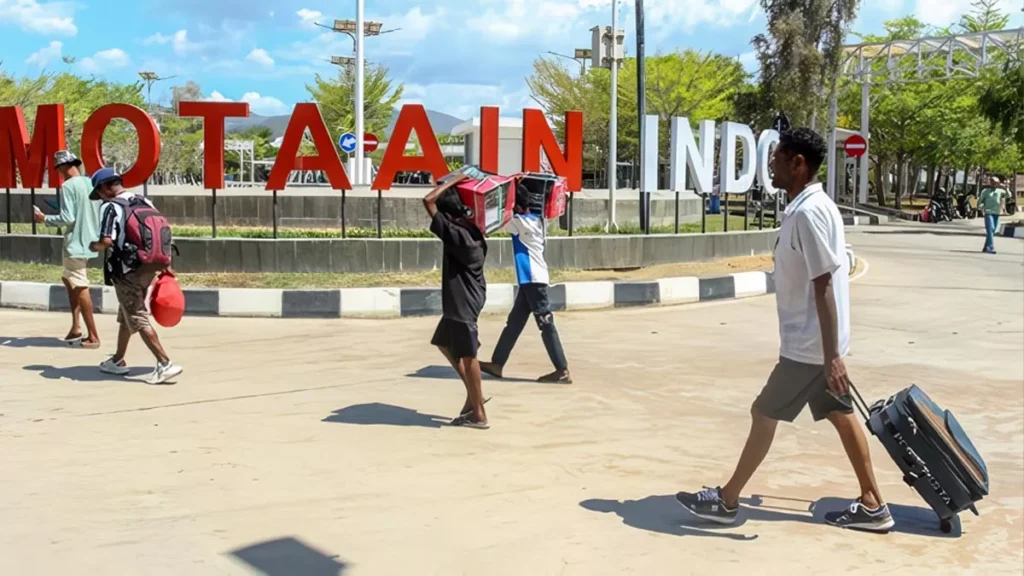
- Border crossing: PLBN Motaain, Belu Regency
- Destination: Dili, Timor-Leste
- Travel time: 12–14 hours
- Distance: ~300 km
The duration is shaped less by distance than by terrain, road conditions, and border processing.
Transport Options
Public Bus (Most Common Option)
Two main operators serve the route:
- Damri (state-owned)
- Bus Bagong (private operator)
Departure point: Terminal Kelas A Bimoku, Kupang
These buses travel directly to Dili via the Motaain border.
What to expect:
- Basic seating
- Inconsistent air conditioning
- Multiple stops
- Waiting time at the border
Estimated cost:
- IDR 250,000 – 400,000 (approximately USD 15–25)
This is the most accessible option and widely used by both locals and travelers.
Private Vehicle (Flexible Option)
Private transport offers greater control over timing and stops. You can break the journey in towns like Atambua or explore less-visited parts of West Timor.
However, this option requires preparation.
You must carry:
- Vehicle registration (STNK)
- Proof of ownership or authorization
- Cross-border permission if required
International travelers should also carry an International Driving Permit (IDP) alongside their national license. While enforcement may vary, lacking proper documentation can create complications at checkpoints.
Not all rental vehicles are permitted to cross international borders—always confirm in advance.
Documents You Must Prepare
This is where many travelers encounter problems.
For Indonesian Citizens
- Valid passport
- Visa-free entry (up to 30 days)
For International Travelers (including Bali expats)
- Valid passport (recommended minimum 6 months validity)
- Visa requirements vary by nationality
- Some travelers may obtain Visa on Arrival, but land border procedures can differ from airport entry
Critical requirement:
You must receive an Indonesian exit stamp when leaving.
Failure to obtain this stamp can create serious issues when re-entering Indonesia.
Visa policies can change without notice. Travelers are strongly advised to confirm requirements with Timor-Leste’s migration authorities or embassy before departure.
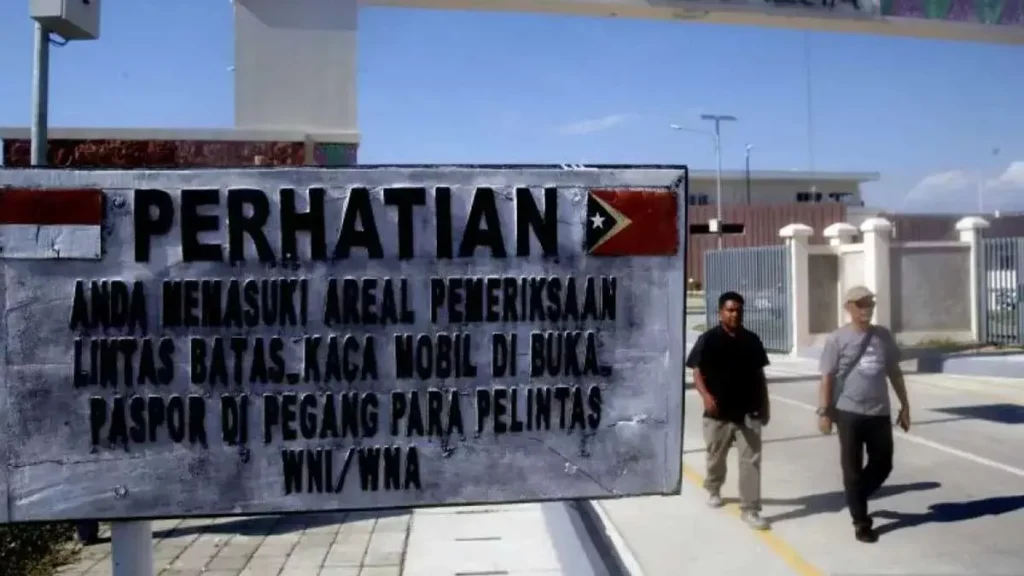
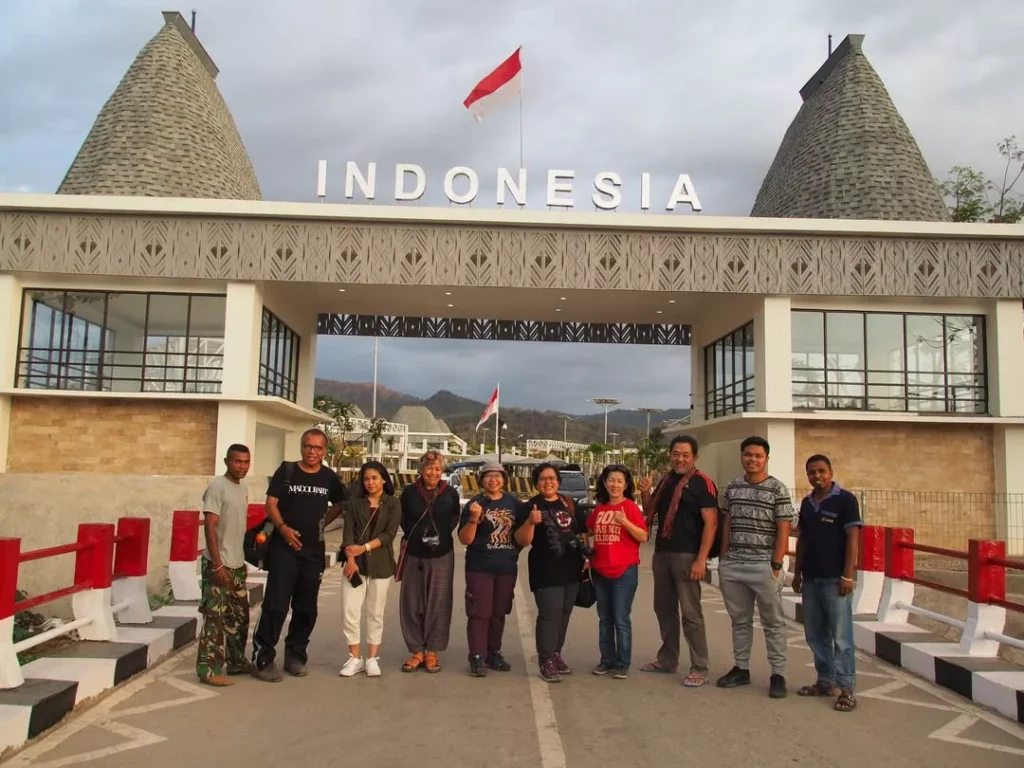
Border Crossing: What to Expect at Motaain
The process is structured but manual:
- Exit Indonesian immigration (passport check and exit stamp)
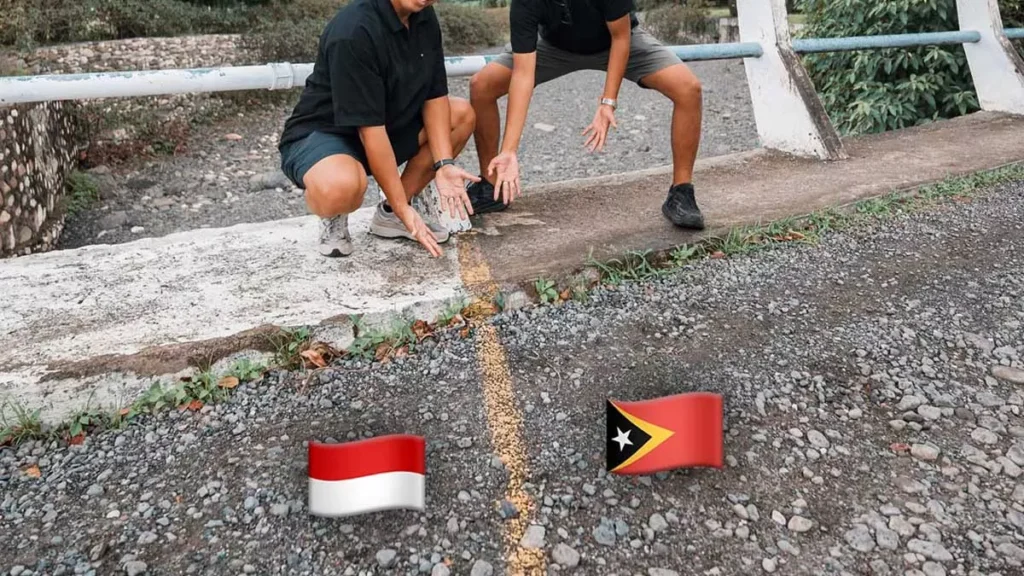
- Cross a short neutral zone (approximately 100 meters)
- Enter Timor-Leste immigration (entry stamp and visa processing if required)
Processing time:
- 30–60 minutes on normal days
- Several hours during peak periods
The Motaain border post is not a 24-hour crossing. It generally operates during daytime hours, and travelers arriving late may need to wait until the next day.
For this reason, departing Kupang early in the morning is strongly recommended.
Important Note on Porters
Unofficial porters may approach travelers offering assistance with bags or paperwork.
Some are legitimate. Others are not.
Use official channels whenever possible, and seek help from uniformed officers if needed.
When to Avoid Crossing
Traffic increases significantly during:
- Christmas and New Year
- Easter week
- Idul Fitri (Lebaran)
- August 30 (Timor-Leste referendum anniversary)
During these periods, delays can extend for hours.

What the Road Is Like
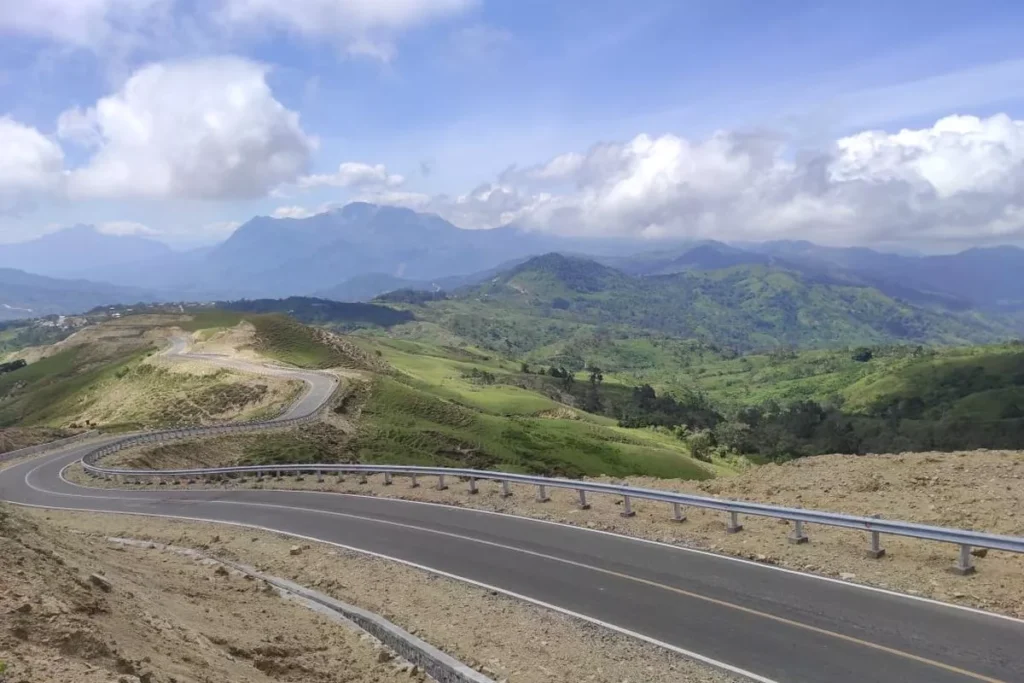
The journey is physically demanding.
Expect:
- Mountain roads and winding terrain
- Uneven pavement in sections
- Delays during the rainy season (November to April)
What You Should Bring
- Drinking water and food
- Power bank
- Cash (Indonesian Rupiah and US Dollars)
- Toilet paper and hand sanitizer
- Light jacket for cooler highland areas

Currency and Payments
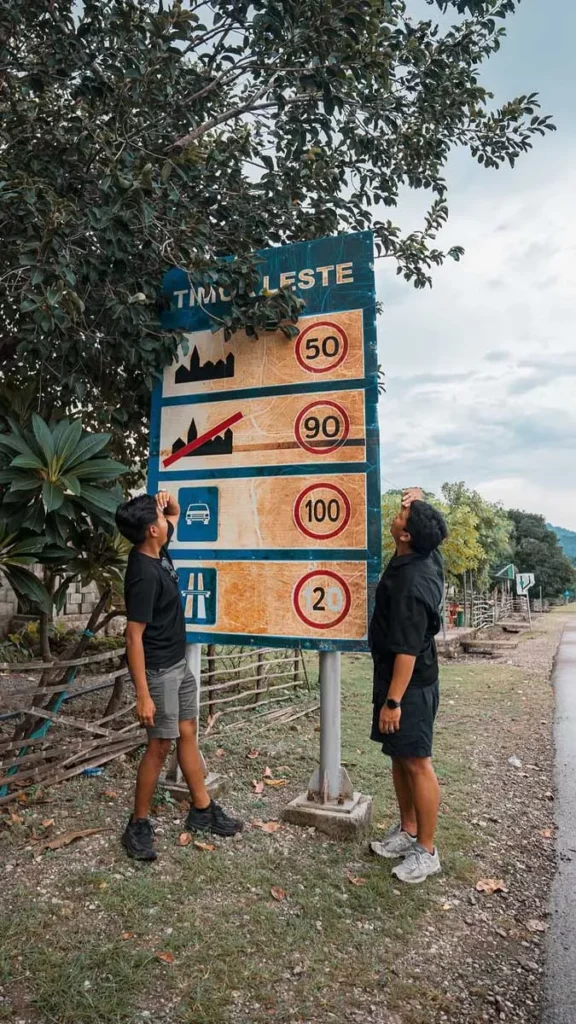
Timor-Leste uses the US Dollar (USD).
- Indonesian Rupiah is accepted near the border
- In Dili, USD is the standard
Carry small denominations, as change may be limite
Estimated Travel Costs
| Item | Estimated Cost |
| Bus ticket | $15–25 |
| Food & supplies | $5–10 |
| Visa (if required) | varies |
| Miscellaneous | $5–15 |
Estimated total: $25–60
From Bali: How This Fits Your Route
For travelers based in Bali:
- Fly from Denpasar to Kupang (approximately 1.5–2 hours)
- Continue overland to Dili
The total travel time is comparable to long-haul domestic routes elsewhere—but the experience is fundamentally different.
You move from a global tourism hub into a country that remains largely off the mainstream travel map.
Cultural Awareness
Timor-Leste has a distinct national identity.
It is not an extension of Indonesia.
It has:
- Its own language (Tetum)
- Its own political and historical trajectory
- A strong sense of national pride
Avoid assumptions about language or identity.
Two useful phrases:
- “Bon dia” (Good morning)
- “Obrigadu” (Thank you)
Respect is noticed—and remembered.

Emergency and Practical Preparedness
In case of unexpected issues, travelers should be prepared to contact:
- Immigration officers at the Motaain border
- Their embassy or consulate in Indonesia
Saving embassy contact details before departure is strongly recommended, particularly for first-time overland travelers.
Final Take
Kupang to Dili is not just a route. It is a transition—geographically, politically, and culturally.
The journey works. But it is not frictionless.
Regulations shift. Infrastructure varies. Systems are still developing.
For travelers who prepare properly, this is one of Southeast Asia’s most underexplored overland experiences.
For those who do not, it can quickly become slow and complicated.
Bali may be where the journey begins. Beyond it, the map widens—and travel becomes something else entirely.