
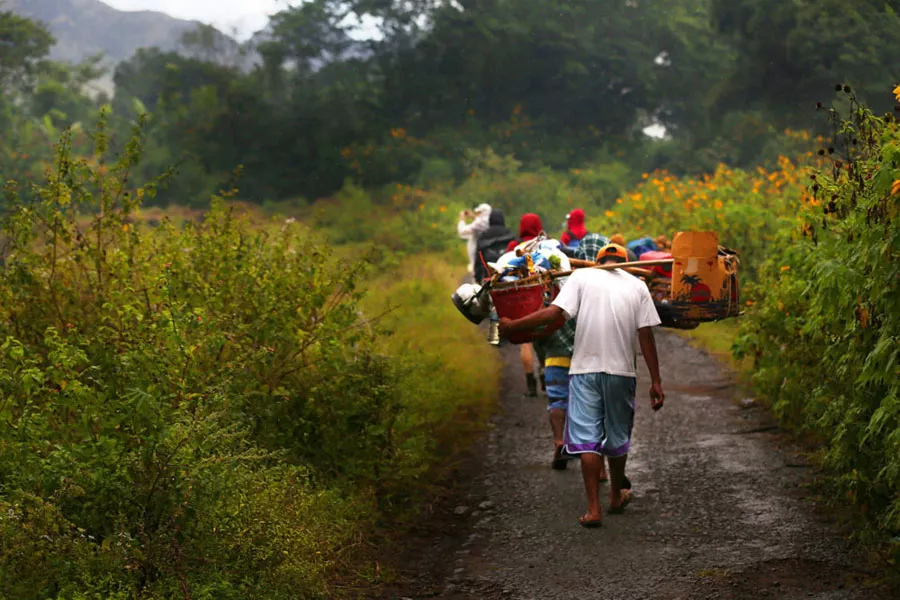
LOMBOK, Indonesia — Indonesia’s second-highest volcano is preparing for a major shift in how trekking tourism is managed.
Beginning April 1, 2027, every guide and porter operating on Mount Rinjani will be required to carry an official access card, part of a broader effort to improve safety, strengthen accountability, and professionalize one of Southeast Asia’s most sought-after trekking destinations.
The new system, announced by the Mount Rinjani National Park Authority (TNGR), will require all registered guides and porters to undergo re-registration through the Rinjani Tourism Circle Forum, after which they will receive a standardized identification card valid for one year.
For visitors planning to tackle the volcano’s demanding trails, the move signals a growing emphasis on quality, safety, and environmental stewardship at a destination that has seen increasing international attention in recent years.
“This registration is important so that trekking activities can remain safe, comfortable, and meet world-class standards,” said Astekita Ardiaristo, Head of Administration at the Mount Rinjani National Park Authority.
More Than a Badge
At first glance, the new requirement may appear administrative.
In reality, park authorities view it as a significant step toward strengthening the human infrastructure that supports thousands of trekkers each year.
According to TNGR data, Mount Rinjani currently has 1,085 registered guides and 1,415 registered porters. All will be required to renew their registration and obtain the new pass cards before the regulation takes effect.
The cards will replace the existing barcode identification system that has been used in recent years and will serve as an official verification tool for visitors and authorities alike.
The annual renewal process is designed to ensure that guides and porters remain active, accountable, and aligned with the latest operational standards on the mountain.
The People Behind Every Summit

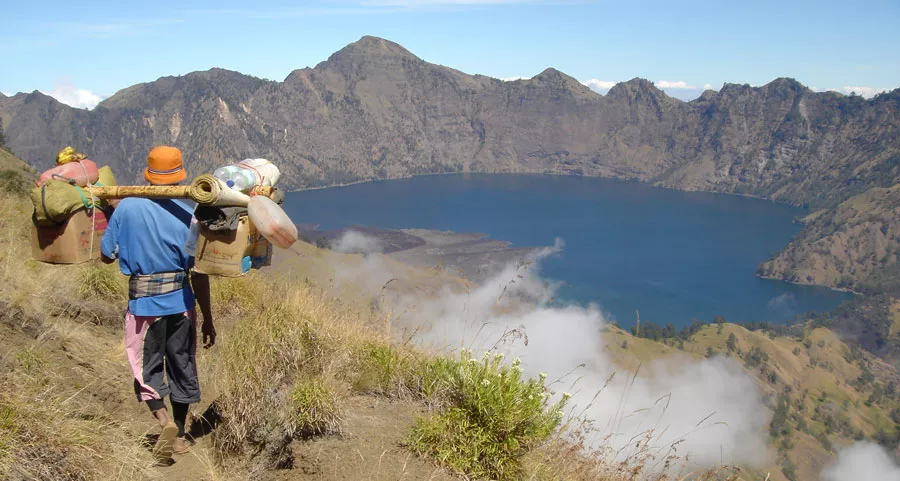
For many trekkers, guides and porters are often the difference between a successful expedition and a difficult experience.
Their responsibilities extend far beyond leading visitors along the trail.
They navigate challenging terrain, monitor weather conditions, respond to emergencies, manage logistics, and help visitors adapt to the physical demands of climbing a 3,726-meter active volcano.
They also play a critical role in protecting one of Indonesia’s most important conservation areas.
“They are the frontline in maintaining cleanliness and managing waste, ensuring visitor safety, protecting the ecosystem, and providing professional and responsible service to every visitor,” Astekita said.
As visitor numbers continue to grow, authorities believe strengthening the professionalism of guides and porters is essential to balancing tourism growth with environmental protection.
A New Era for Rinjani Tourism
The introduction of mandatory access cards reflects a broader transformation taking place on Mount Rinjani.
In recent years, Indonesian authorities have introduced stricter visitor management measures, including online registration systems, daily climbing quotas, and enhanced safety procedures aimed at preserving the mountain’s fragile ecosystem while improving visitor experiences.
The latest initiative adds another layer of oversight by ensuring that every individual working on the mountain can be clearly identified and verified.
For international trekkers, the changes are expected to make it easier to distinguish registered professionals from unauthorized operators while providing greater confidence when booking expeditions.

What Trekkers Should Know
The new pass card requirement will officially take effect on April 1, 2027.
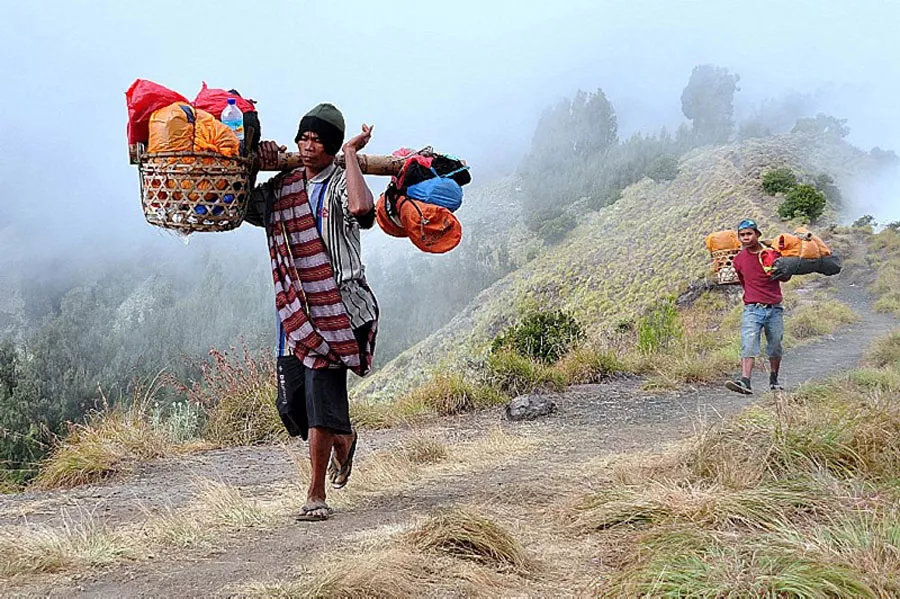
All guides and porters will be required to carry the identification cards while operating on Mount Rinjani, and the credentials must be renewed annually.
For travelers, the message is simple: when booking a Rinjani trek in the future, expect to see certified guides and porters carrying official credentials issued through the mountain’s registration system.
As one of Indonesia’s most iconic adventures continues to attract visitors from around the world, authorities are making it clear that the future of Rinjani tourism will not be measured solely by how many people reach the summit.
It will also be measured by how safely, responsibly, and sustainably they get there.