
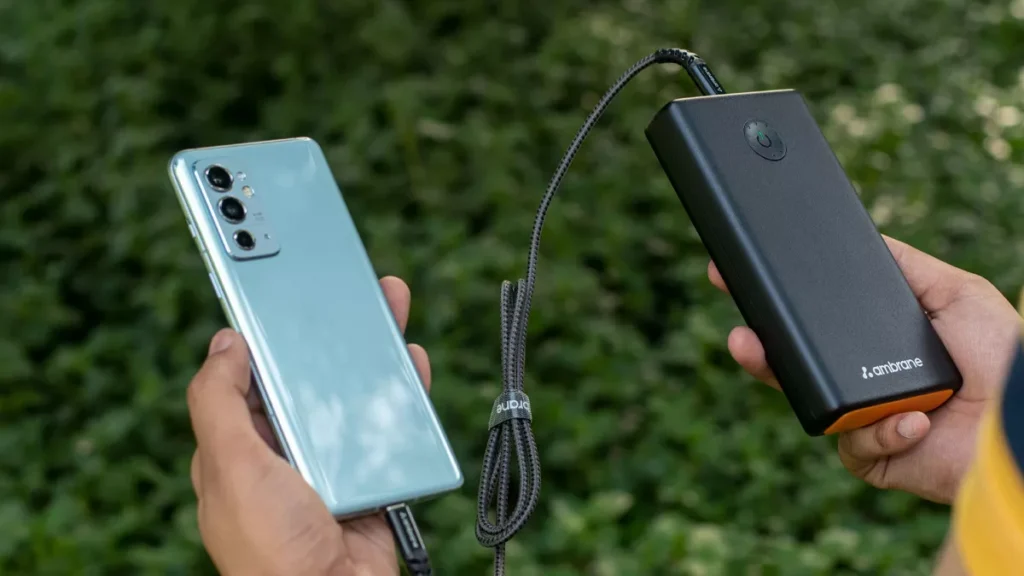
Following safety incidents, major Asian airline groups are enforcing stricter regulations on portable chargers. Travelers bound for or from Bali should prepare to comply.
SEOUL / DENPASAR — In a significant shift for air travel, several major Asian airline groups are implementing strict new rules governing the use of portable battery packs, commonly known as power banks, on board aircraft. The changes, prompted by safety concerns, could catch unprepared travelers off guard, particularly those on long-haul routes to destinations like Bali.
The Hanjin Group, which includes carriers like Korean Air and Asiana Airlines, has announced a complete ban on using power banks to charge devices during flights, effective soon. This prohibition extends to all its affiliated airlines, including Jin Air, Air Busan, and Air Seoul. Other South Korean carriers, such as Jeju Air and Eastar Jet, have enacted similar bans.
The policy is a direct response to safety incidents. In January of last year, a fire broke out on an Air Busan flight reportedly due to a short circuit in a portable battery. “A total ban on using portable batteries during flights is an unavoidable step to ensure safe flight operations,” a Korean Air official stated on Saturday, January 24, 2026.
What This Means for Bali-Bound Travelers
For passengers traveling to or from Bali via connecting hubs like Seoul, Incheon, or on codeshare flights with these carriers, the new rules are critical to note:
- Usage is Banned, Carriage is Allowed (with conditions): You may still bring a power bank in your cabin luggage, but you cannot use it to charge your phone, laptop, or camera during the flight. The device must remain powered off.
- Strict Packing Protocols: Before boarding, the terminals of the power bank must be insulated with electrical tape or placed separately in a plastic or protective pouch. Korean Air provides tape at check-in counters and departure gates to assist passengers.
- Correct In-Cabin Storage: Once on the plane, the power bank must be kept on your person, in the seat-back pocket, or under the seat in front of you. It is strictly prohibited to store it in the overhead bin, as any malfunction could go unnoticed and lead to a serious incident.
A Broader Trend in Aviation Safety
This move aligns with a broader industry focus on lithium-battery safety. Under regulations introduced last year by South Korea’s Ministry of Land, Infrastructure and Transport, aircraft are now required to carry at least two fire-resistant containment bags for portable batteries.
Some airlines have even begun installing temperature-sensitive stickers in overhead compartments that change color if temperatures exceed 40°C (104°F), allowing for quicker detection of overheating devices.
Key Takeaway for a Smooth Journey
As regulations can vary by airline and are subject to rapid change, the onus is on the traveler to stay informed. Before your next trip to or from Bali:
- Check the specific baggage and safety policies of your operating airline.
- Pack tape to insulate your power bank’s terminals.
- Be prepared to keep it completely unused and properly stowed within your immediate seating area for the duration of the flight.
Adhering to these guidelines not only ensures compliance but contributes to the shared safety of every passenger on board—a small price for peace of mind at 35,000 feet.
Hey Bali News provides practical travel updates to help our global community navigate their journeys smoothly and safely.