































As Bali’s rainy season intensifies, a familiar challenge—flooding—tests the island’s resilience and its visitors’ patience, turning a postcard view into a logistical headache.
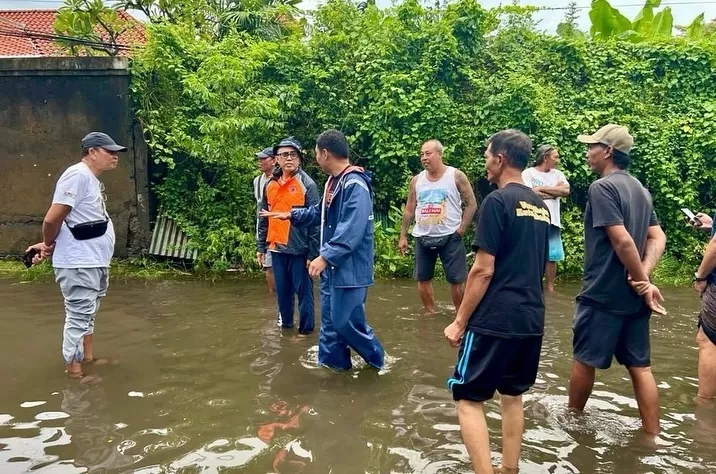
SANUR, Bali — For Jeremy, an Australian visitor who counts Bali as a favorite destination, the scene was unfamiliar. He typically plans his trips for the dry-season months of July or August. But on Thursday, January 8, 2026, he found himself navigating flooded streets in Sanur, a predicament shared by residents and businesses alike, as heavy rains once again inundated parts of Denpasar.
“This is the first time,” Jeremy told detikBali in Sanur, expressing a sentiment that may resonate with other off-season travelers. “We won’t come in the rainy season again; we’ll return in August.” His experience underscores a seasonal vulnerability that contrasts sharply with Bali’s international image of seamless tropical leisure.
An All-Too-Familiar Pattern
The flooding on Thursday was concentrated in low-lying areas of Sanur, including the perennially affected Jalan Bumiayu, Jalan Danau Tamblingan—where water entered the grounds of Villa The Pavilions Bali—and Jalan Pungutan. Made Adnyana, a technical team member with the Bali Regional Disaster Management Agency (BPBD) and a Sanur resident, explained the area’s geographical susceptibility.
“Sanur is indeed the worst-hit here. This was originally a rice field, an absorption zone, so the center is low,” he said. He noted that high tides compound the problem, slowing drainage when heavy rain coincides with seawater intrusion.
Operational Disruption and Guest Complaints
For local businesses, each flooding event brings a cascade of practical challenges. At Sanur House, staff member Santi described the disruptions: vehicles unable to enter, forcing manual carrying of goods, and frequent electrical short-circuits from submerged garden lighting.
While floodwaters now typically recede within hours—an improvement from past events that lasted days—the immediate impact is significant. “Guests definitely complain,” Santi said. “They ask, ‘Why? Other places aren’t flooded, only you.’ We explain it’s due to the land contour and construction.”
A Wider Impact Across Denpasar
The phenomenon extended beyond Sanur. On Jalan Tukad Batanghari in the Renon area, floodwaters rose quickly in the morning, affecting street vendors like Winda, who sells nasi box (rice boxes). She reported water levels rising above her ankles, forcing her to close her stall and lose the crucial breakfast trade.
“When the water rises, there are no more customers,” she told detikBali. Other vendors in the area confirmed that while flooding occurs, water in that location tends to recede relatively quickly.
Balancing Image with Reality
The recurring floods present a dual challenge: managing the immediate logistical and economic strain on locals, and addressing the perceptions of international visitors who may not anticipate such disruptions. For repeat tourists like Jeremy, the solution is simple—a return to scheduling visits during the dry season. For Bali’s communities and businesses, however, the need is for adaptive solutions that address drainage, urban planning, and climate resilience, ensuring the island’s charm isn’t washed away with the seasonal rains.