






















A local video sparked concern, but geological authorities attribute the rumbling to a rain-induced landslide, not increased volcanic activity.
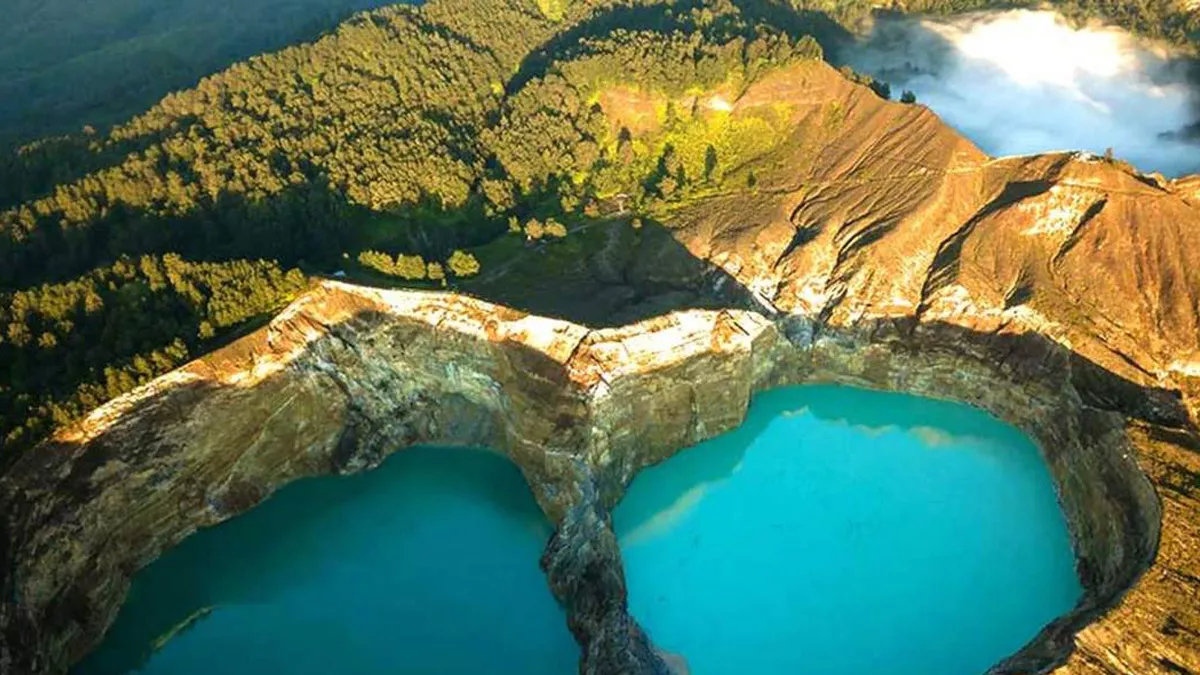
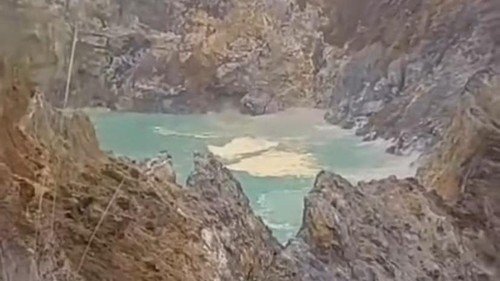
FLORES, Indonesia — Recent sounds and disturbances recorded at one of the iconic tri-colored lakes atop Mount Kelimutu in East Nusa Tenggara (NTT) have been explained by officials as the result of a landslide, not a sign of escalating volcanic unrest. The clarification from Indonesia’s Geological Agency comes after a video circulated online showing rippling waves and a rumbling noise from Tiwu Koofai Nuwamuri, one of the crater lakes, described by a witness as resembling “boiling water.”
In an official statement to detikBali on Monday, January 12, 2026, the Head of the Geological Agency, Lana Saria, attributed the event to natural erosion. “After conducting field checks, the incident was due to a landslide of part of the northeastern cliff of Crater II,” Saria stated. The cause, she noted, was heavy rainfall that destabilized the cliff face.
Volcanic Status Remains “Normal”
The agency confirmed that both visual and instrumental monitoring data show no significant increase in seismic activity at Mount Kelimutu. The volcano, a popular tourist destination famed for its three adjacent lakes that each exhibit distinct and changing colors, remains at the lowest alert level, Level I (Normal).
Despite the stable status, authorities have reiterated standard safety advisories for visitors and local communities. They urge people to restrict activity near the crater areas by not crossing safety barriers, approaching the lake edges, venturing near gas vents, or camping within the crater to avoid potential hazards from toxic gases.
A Reminder of Nature’s Dynamic Forces
Mount Kelimutu is a stratovolcano with an elevation of 1,384.5 meters. Its unique appeal lies in the three summit lakes—Tiwu Ata Polo, Tiwu Koofai Nuwamuri, and Tiwu Ata Bupu—whose colors shift independently due to chemical reactions from volcanic minerals.
For travelers and tour operators in the region, particularly those organizing trips from Bali to Flores, the incident serves as a timely reminder of the dynamic and sometimes unpredictable nature of volcanic landscapes. While the official assessment provides reassurance, it underscores the importance of heeding posted warnings and staying within designated safe zones when visiting one of Indonesia’s most visually stunning, yet geologically active, natural wonders.