






























The Overlooked Side of Oral Health Bali
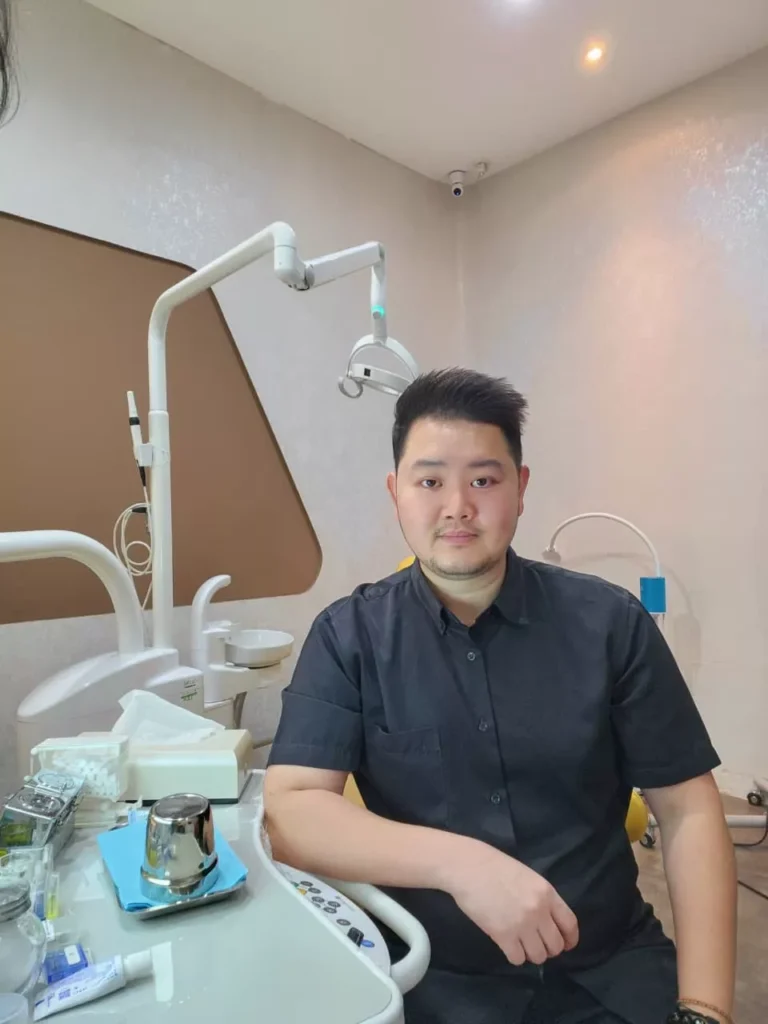
In a place as vibrant as Bali, where travelers chase sunsets and wellness retreats promise transformation, one essential aspect of well-being is often ignored: oral health. Many residents, expats, and visitors only think about their teeth when pain finally forces them into a clinic. Yet experts say the connection between oral health and overall wellness is far deeper than most people assume. According to drg. Leonardo Eka Putra Chandra, known as dr. Edo from Nusantara Dental Clinic, ignoring basic “Oral Health Bali” habits can set off health problems that reach far beyond the mouth.
How Oral Health Bali Influences the Body
The mouth is a gateway for bacteria, food, and daily habits that shape long-term health. When oral health deteriorates, the consequences can spread quickly. Untreated cavities, gum inflammation, and chronic bad breath are often the first signs that something is wrong. But research has also linked poor oral hygiene to heart disease, diabetes complications, and even pregnancy issues.
Dr. Edo explains that many people underestimate how infections inside the mouth can enter the bloodstream and affect other organs. In his practice, he has seen travelers arrive with minor discomfort that later turns into swelling, fever, or the need for emergency care. For him, improving awareness around Oral Health Bali is part of protecting the island’s growing international community.
Why Brushing Alone Isn’t Enough in Oral Health Bali
Most people brush their teeth, but technique often falls short. Dr. Edo emphasizes that proper brushing — with gentle strokes, a soft-bristle brush, and at least two minutes of attention — is crucial. Rushing through the process leaves plaque behind, especially along the gumline. Many patients who visit dental clinics across Bali believe they are brushing “well enough,” yet still struggle with tartar buildup, bleeding gums, or recurring toothaches. According to Dr. Edo, consistent and correct brushing is the foundation of good “Oral Health Bali,” but it is only one part of a bigger routine.
The Role of Flossing in Oral Health Bali
Flossing remains one of the most neglected habits among locals, travelers, and even long-term residents. Dr. Edo notes that most plaque accumulates in the spaces a toothbrush cannot reach. Without flossing, these areas become breeding grounds for bacteria that lead to gum disease and chronic mouth odor. In the context of the island’s humid climate and frequent consumption of sweet beverages by holidaymakers, flossing becomes even more important for maintaining strong “Oral Health Bali.”
Diet, Sugar, and Lifestyle in Oral Health Bali
Bali’s café culture and sweetened drinks have become an everyday indulgence for many. But sugar is one of the biggest threats to enamel. After consuming sugary or acidic foods, bacteria in the mouth produce acids that weaken the tooth surface. Dr. Edo recommends drinking water immediately after meals and waiting at least 30 minutes before brushing to avoid damaging softened enamel. These small habits, he says, make a significant difference in long-term “Oral Health Bali.”
Routine Dental Visits on the Island
Even without pain, a dental check-up every six months is essential. Bali’s expanding healthcare sector now includes clinics capable of providing thorough cleanings, early detection of cavities, and tailored dental advice. According to Dr. Edo, regular check-ups reduce the risk of emergency treatments — something especially important for travelers who may not have access to their usual healthcare network.
He stresses that prevention is the backbone of strong “Oral Health Bali,” particularly on an island where many visitors underestimate tropical conditions and dehydration, both of which can affect oral health.
Routine Dental Visits on the Island
Even without pain, a dental check-up every six months is essential. Bali’s expanding healthcare sector now includes clinics capable of providing thorough cleanings, early detection of cavities, and tailored dental advice. According to Dr. Edo, regular check-ups reduce the risk of emergency treatments — something especially important for travelers who may not have access to their usual healthcare network. He stresses that prevention is the backbone of strong “Oral Health Bali,” particularly on an island where many visitors underestimate tropical conditions and dehydration, both of which can affect oral health.
Oral Health Bali for Children
One misconception that persists among many families is that baby teeth “don’t matter” because they eventually fall out. But children’s oral health shapes their ability to chew, speak, and develop healthy permanent teeth. Dr. Edo regularly reminds parents that cavities in baby teeth can affect a child’s sleep, appetite, and daily comfort. Teaching children early about brushing and flossing helps build lifelong habits, contributing to better “Oral Health Bali” across generations.
A Fresh Look at Oral Health Bali
Bali has become a center for wellness, attracting yoga practitioners, digital nomads, and global travelers seeking balance. Yet true well-being cannot exist without basic oral care. As Dr. Edo puts it, oral health is a long-term investment — one that protects confidence, comfort, and overall quality of life. In the context of “Oral Health Bali,” this means treating dental care not as an emergency service but as an essential part of living well on the island.
A healthier smile strengthens more than appearance; it supports the entire body. And in Bali, a place built on hospitality and human connection, a confident smile carries its own quiet power.
Reported by Rushel Ambarita
Written by Hey Bali Newsroom