


































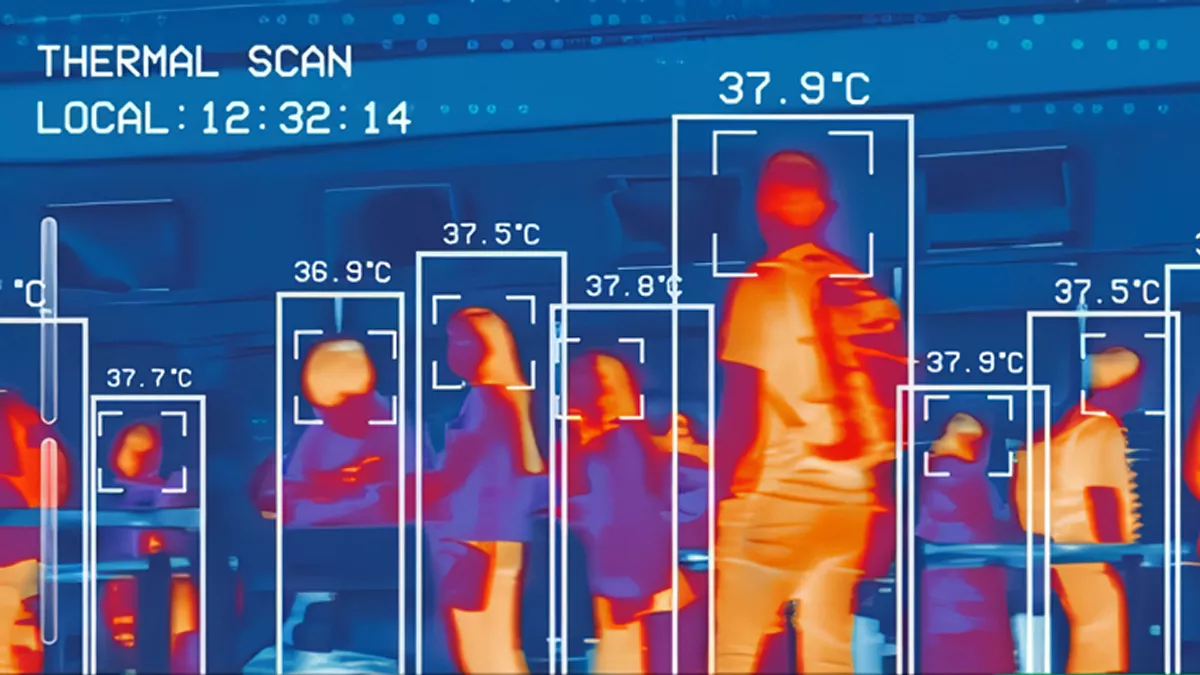
In a measured response to increased international cases, Ngurah Rai International Airport has activated enhanced health surveillance, underscoring the island’s commitment to preventive public health measures for travelers.
DENPASAR, Bali — As a primary gateway for millions of international visitors, Bali’s I Gusti Ngurah Rai International Airport has initiated a new layer of health surveillance. Airport authorities, in close coordination with the Class I Denpasar Center for Health Quarantine, have deployed four thermal scanners at key arrival points as a proactive measure against the potential spread of the Nipah virus.
The move follows reported increases in Nipah virus transmission in regions outside Indonesia. “In relation to the rise in Nipah virus transmission cases abroad, we are intensively coordinating with the Center for Health Quarantine regarding surveillance within the airport environment,” stated Gede Eka Sandi Asmadi, Head of Communication and Legal Division for the airport’s operator.
Strategic Placement for Comprehensive Screening
The thermal imaging devices have been positioned to screen passengers at critical arrival flows:
- Two units are stationed in the international arrivals hall.
- One unit is operational in the domestic arrivals area.
- An additional unit is on standby at the VIP terminal.
This deployment aims to identify individuals with elevated body temperatures, a primary symptom of Nipah virus infection, which also includes severe respiratory issues and encephalitis.
Established Protocol for Suspected Cases
The airport has a clear action plan should a passenger present symptoms. Any individual flagged by the thermal scanners or reporting illness will be immediately assessed by the on-site Health Quarantine team. If necessary, they will be referred directly to the regional referral hospital, Prof. dr. I.G.N.G Ngoerah Hospital in Denpasar, for further evaluation and isolation, ensuring a contained and medically supervised response.
A Context of Calm Preparedness for Travelers
For the global travelers, expatriates, and tourists who form Bali’s lifeblood, these measures represent a familiar yet enhanced form of travel-era health security. The airport management emphasizes that the current steps are precautionary, designed for early detection and rapid response rather than in reaction to a local outbreak.
Authorities advise all passengers traveling to and from Bali to monitor their health closely, stay informed on official travel advisories, and immediately notify airport or quarantine personnel if they experience fever or other concerning symptoms before or after their flight. “We urge passengers whose health is declining and who show initial symptoms like fever to immediately contact the nearest airport officer or Quarantine officer at the airport,” Asmadi concluded.
The implementation of these scanners reflects a balanced approach, common to major international hubs: maintaining open connectivity while diligently upholding public health safeguards to protect both visitors and residents of the Island of the Gods.