



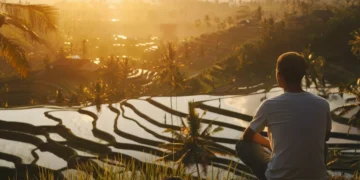











In Bali, death is not seen as an ending. It is understood as a pause, a passage, before life begins again.
The belief in reincarnation lies at the heart of Hindu philosophy, shaping how Balinese Hindus understand existence, morality, and the soul’s long journey toward spiritual freedom. Known locally as punarbhawa or samsara, reincarnation is not folklore or superstition. It is a core religious principle, deeply embedded in daily life, ritual, and cultural practice across the island.
Reincarnation and the Foundations of Hindu Belief
In Hinduism, the concept of reincarnation is formalized within Panca Śraddha, the five essential beliefs that guide spiritual life. These principles form the philosophical backbone of Balinese Hinduism.
First is Widhi Tattwa, faith in a supreme divine reality. Second is Atma Tattwa, the belief that every human being possesses an eternal soul, or atma, which does not perish with the physical body. Third is Karma Phala Tattwa, the law of cause and effect, in which every action carries consequences that shape future experience.
Reincarnation itself appears as Punarbhawa Tattwa, the belief that the soul is reborn again and again across lifetimes. The final principle, Moksa Tattwa, speaks of liberation. Moksa is the ultimate spiritual release, a state in which the soul is freed from karma, rebirth, and worldly attachment, and reunites with the divine source.
Within this framework, reincarnation is not random. It is purposeful, ethical, and deeply tied to how one lives.
Why the Soul Is Reborn
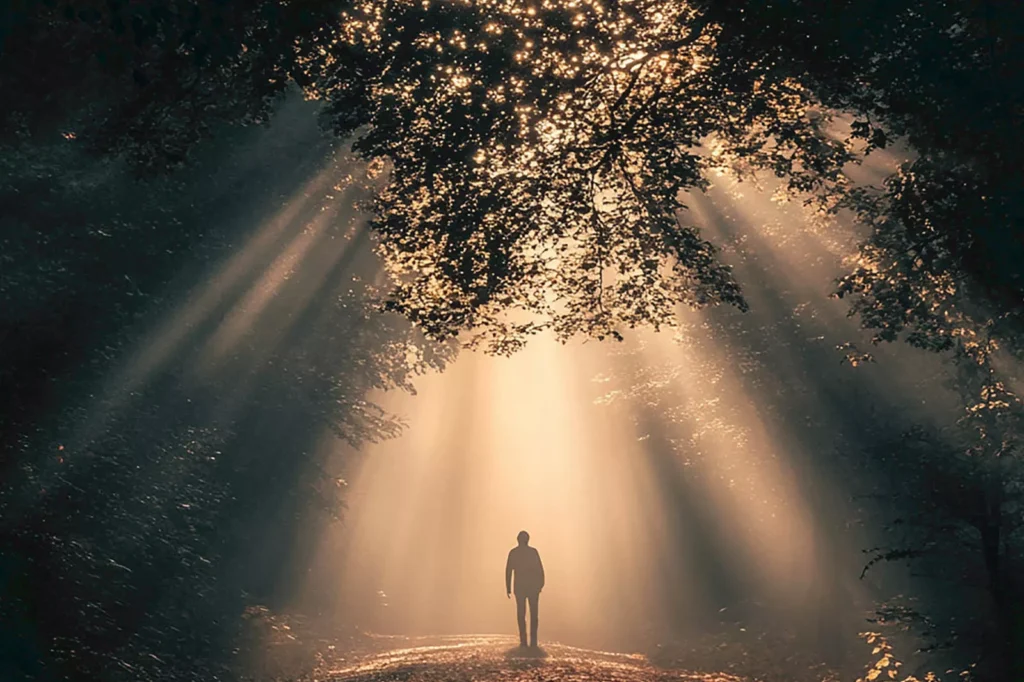
According to Hindu philosophy, reincarnation occurs because the soul remains bound by unresolved karma and earthly attachment. Life, therefore, becomes a classroom. Each rebirth offers the soul another opportunity to learn, correct past actions, and grow closer to spiritual liberation.
Ancient texts such as the Garuda Purana describe reincarnation as directly influenced by karma accumulated in previous lives. A life lived with compassion, discipline, and balance may lead to a more favorable rebirth. Harmful actions, by contrast, may result in hardship, or in some interpretations, rebirth into a non-human form.
There is no fixed number of lifetimes. The journey continues until the soul reaches sufficient spiritual maturity to attain moksa. For Balinese Hindus, this belief fosters a strong sense of personal responsibility. Actions matter, not just for today, but across lifetimes.
Metuunan: When Ancestors Return
In Bali, reincarnation is not only a philosophical idea. It is woven into family life through ritual.
One of the most distinctive traditions connected to reincarnation is Metuunan, a ceremony performed after a baby is born. The word derives from tuun, meaning “to descend.” The ritual reflects the belief that an ancestor’s soul may return through a newborn child.
During Metuunan, families consult a spiritual elder or priest believed to have the ability to communicate with ancestral spirits. Through ritual guidance, the family may learn which ancestor is believed to have been reborn, along with specific ceremonial offerings recommended to ensure the child’s health, balance, and spiritual harmony.
This ritual is typically conducted before the baby’s three-month ceremony or earlier milestone rites. While deeply spiritual, Metuunan also strengthens family continuity, linking generations through shared memory and responsibility.
Faith, Experience, and Modern Perspectives

From a scientific standpoint, reincarnation remains unproven. Yet stories persist across cultures of children displaying memories, behaviors, or traits closely resembling those of deceased individuals. In Bali, such stories are treated not as spectacle, but with quiet respect.
For many Balinese, belief in reincarnation is less about proof and more about meaning. It offers a moral compass, a way to understand suffering, fortune, and the long arc of human growth.
Whether one accepts reincarnation literally or symbolically, it remains a central pillar of Balinese Hindu culture. And for visitors and expatriates living on the island, understanding this belief provides deeper insight into why rituals matter, why ancestors are honored, and why life in Bali often feels guided by an unseen continuity between past, present, and future.
In Bali, life does not move in straight lines. It moves in cycles.