


























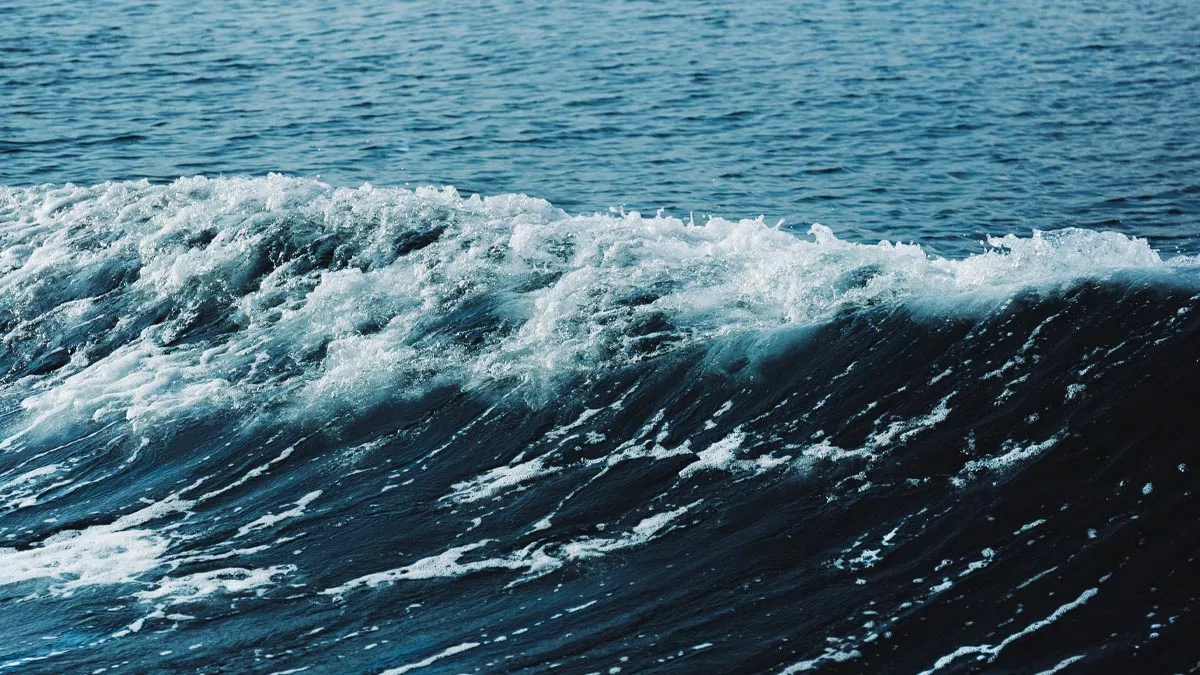
According to the Meteorology, Climatology, and Geophysics Agency (BMKG) Region III Denpasar, wave heights are expected to range between 1.25 and 2.5 meters, placing conditions in the moderate category. While not classified as extreme, such waves are considered hazardous for smaller vessels and recreational activities, particularly when combined with shifting winds and reduced visibility during rainfall.
The advisory covers several strategically important waters, including the Badung Strait, the southern part of the Bali Strait, southern waters of Bali, and the southern section of the Lombok Strait. These areas serve as key routes for fishing boats, inter-island crossings, and fast-boat services frequently used by tourists traveling to nearby islands.
BMKG warned that these conditions pose a tangible risk to traditional fishing boats operating at wind speeds of around 15 knots and wave heights exceeding 1.25 meters. Barge operations may also be affected when winds reach 16 knots and waves rise above 1.5 meters, potentially disrupting marine logistics and coastal construction activities.
Wind patterns during this period are expected to vary by region. In the northern waters of Bali, winds are forecast to blow predominantly from the southwest to northwest at speeds of 4 to 15 knots, generally manageable but still capable of generating choppy seas. In contrast, southern waters are likely to experience stronger winds from the south to west, reaching 4 to 25 knots, contributing to rougher sea conditions and higher wave formation.
What This Means for Travelers and Expats

For visitors and long-term residents living near the coast, these conditions warrant a cautious approach to marine activities. Fast-boat crossings to Nusa Penida, Nusa Lembongan, and Lombok may face delays, schedule changes, or cancellations depending on daily conditions. Travelers are advised to confirm departures directly with operators and remain flexible with itineraries.
Swimming, snorkeling, and recreational boating in open waters along Bali’s southern coastline should be avoided during this advisory window, particularly in areas exposed to the Indian Ocean. Even experienced swimmers can be caught off guard by strong currents and unpredictable wave surges under moderate-to-strong wind conditions.
Practical Safety Tips and Local Insight
Weather officials emphasize that “moderate” does not mean safe. Many maritime incidents in Bali occur during conditions that appear manageable on the surface but deteriorate quickly offshore.
For safety during 16–19 December 2025, authorities recommend:
- Avoid small boats and traditional fishing vessels unless absolutely necessary
- Postpone non-essential sea crossings, especially in the afternoon and evening
- Follow local beach flags and lifeguard warnings at all times
- Monitor official updates from BMKG and port authorities before traveling
- Choose sheltered beaches on the eastern or northern coast if coastal activities are unavoidable
As Bali navigates this period of unstable marine conditions, vigilance remains essential. With holiday travel beginning to build toward the end of the year, both residents and visitors are urged to place safety ahead of schedules, particularly when it comes to the sea.