
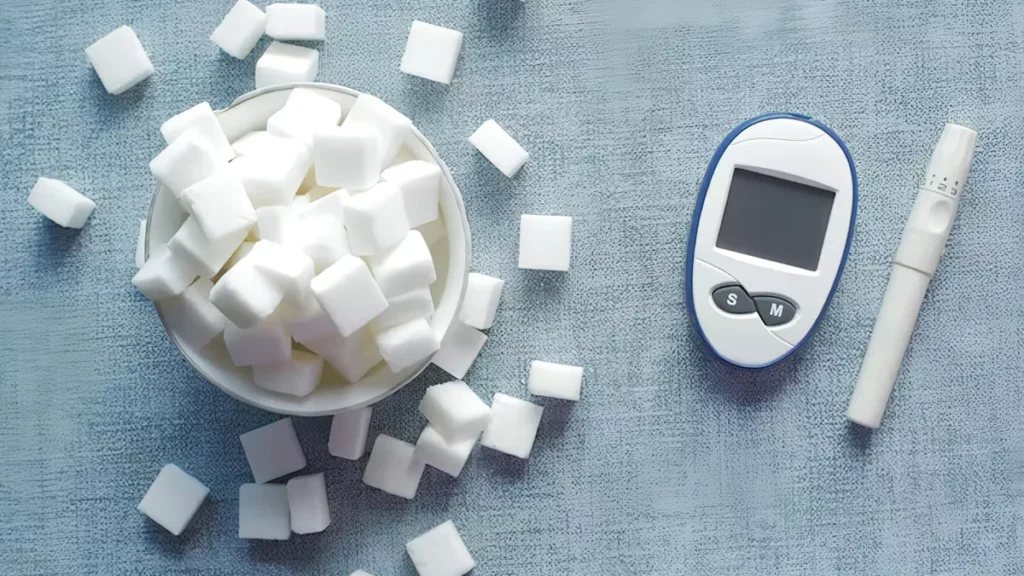
Scientists are pioneering a scalable method to produce tagatose, a rare sugar found in dairy and fruit, offering a sweet taste with minimal calories and, crucially, no significant insulin spike.
BALI, INDONESIA – For decades, the quest for the perfect sugar substitute has been fraught with compromise. Artificial sweeteners can leave an unpleasant aftertaste, while many natural alternatives still trigger unwanted blood sugar responses. Now, a promising contender is emerging from the labs: tagatose, a naturally occurring sugar that scientists believe could revolutionize how we sweeten our food and drinks.
Tagatose is not new—it exists in small quantities in some dairy products and fruits—but its scarcity has made it commercially elusive. Recent research, however, has unlocked a potential path to mass production, putting this intriguing compound in the spotlight.
The Sweet Spot: Taste Without the Spike
What makes tagatose exceptional is its profile. It is approximately 92% as sweet as table sugar (sucrose) but contains only about one-third of the calories. More importantly, it does not cause a significant spike in blood glucose or insulin levels, making it a subject of great interest for people managing diabetes, prediabetes, or insulin resistance.
The reason lies in its metabolism. Unlike common sugars, most tagatose is fermented in the large intestine, with only a minor portion absorbed into the bloodstream. It is generally recognized as safe (GRAS) by the U.S. FDA and the World Health Organization.
Beyond Blood Sugar: Added Health Perks
The potential benefits extend beyond glycemic control. Early research suggests tagatose is “tooth-friendly,” as it may inhibit the growth of oral bacteria that contribute to tooth decay, unlike sucrose which feeds them. It is also being studied for potential prebiotic effects that could benefit gut health. Furthermore, tagatose is stable for baking, a functional advantage over many high-intensity sweeteners that break down under heat.

The Production Puzzle: From Slime Mold to Scalability
The major hurdle has been cost-effective production. “There is an established process for producing tagatose, but it is not efficient and it is expensive,” explains bioengineer Nik Nair of Tufts University, a lead researcher on a recent proof-of-concept study published in Cell Reports Physical Science.
The breakthrough came from an unlikely source: a slime mold. Nair’s team, in collaboration with biotech firms, identified a key enzyme (galactose-1-phosphate-selective phosphatase, or Gal1P) from the organism. By engineering common E. coli bacteria to incorporate this enzyme and another, they created a microbial “factory” that converts abundant glucose into tagatose with a yield of up to 95%—a dramatic improvement over current methods.
A Sweet Future on the Horizon?
While the production process is still being optimized, the framework offers a promising route to bring tagatose to market at scale. Industry analysts project the tagatose market could reach a value of US$250 million by 2032, signaling strong commercial interest.
For health-conscious consumers, diabetics, and anyone with a sweet tooth, tagatose represents a significant step toward a future where indulgence and well-being are not mutually exclusive. It is a reminder that sometimes, the sweetest solutions are found not in synthetic labs, but by cleverly harnessing the subtle chemistry of nature itself.
Hey Bali News explores lifestyle and wellness innovations that align with our audience’s interest in health-conscious and sustainable living.
#heybalinews