
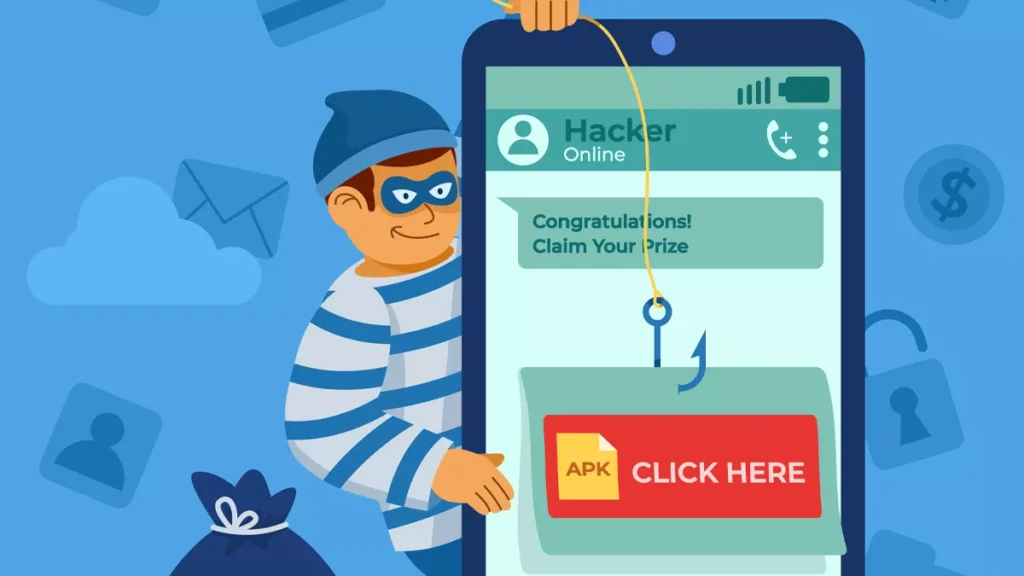
A resurgence in sophisticated ‘smishing’ scams using cheap, portable transmitters is targeting individuals and corporations globally, prompting urgent warnings from security experts and regulators.
In an era dominated by encrypted messaging apps, the humble SMS text message remains a critical—and increasingly vulnerable—linchpin of digital security. A concerning criminal trend exploiting this vulnerability is gaining momentum worldwide: the use of portable ‘SMS Blaster’ devices to orchestrate large-scale fraud, with reports of victims losing substantial sums in mere minutes.
Also termed ‘Cell Phone Towers,’ these devices were once expensive tools for specialists. Now, they are available for the price of a mid-range laptop on dark web marketplaces and are compact enough to fit in a backpack. Their function is alarmingly simple: to flood phones with thousands of deceptive SMS messages, mimicking legitimate institutions and tricking mobile network security systems.
The Scale of the Threat and Modus Operandi
The impact is severe. One reported victim lost £2,000 (approximately 45 million Rupiah) within minutes after falling for a scam initiated by such a device. According to the Global Anti-Fraud Alliance, fraudsters stole an estimated US$442 billion globally last year, with SMS-based phishing, or ‘smishing,’ ranking as the second most prevalent method, just behind email scams.
The danger extends beyond individuals. Corporations are also in the crosshairs, as criminals use these blasts to socially engineer employees into divulging passwords and security credentials, providing a gateway to breach entire corporate networks.
Why SMS is Still a Critical Weak Link
Despite the shift to apps, SMS retains a crucial role in identity verification. It is the default channel for one-time passwords (OTPs) and two-factor authentication (2FA) codes from banks, email providers, and social media platforms. This makes intercepting or spoofing these messages a primary goal for fraudsters.
The Global Response and Evolving Defenses
Authorities and telecom operators are scrambling to respond. In the UK, regulator Ofcom has proposed new rules requiring mobile networks to proactively block suspected scam SMS messages. Proposed measures include blocking spoofed sender names, imposing volume limits on pre-paid SIM cards, and conducting due diligence on business message senders.
Technologically, the evolution to Rich Communication Services (RCS) promises stronger encryption and authentication, potentially reducing the risk of fake messages. Furthermore, the ongoing global sunset of 2G and 3G networks simplifies defense architectures by closing older, less secure radio access points that are easier to exploit.
Essential Protection Advice for Individuals in Bali and Beyond
For residents, expatriates, and travelers, vigilance is the first line of defense. Security experts universally advise:
- Extreme Skepticism: Treat any unexpected SMS, especially from unknown numbers, with high suspicion. Legitimate institutions will never ask for passwords, PINs, or 2FA codes via text.
- Never Click Links: Do not click on links in unsolicited texts. If you believe a message might be legitimate (e.g., from your bank), contact the institution directly using a verified phone number or official app.
- Verify Urgent Requests: Scams often create a false sense of urgency. Pause and verify independently before taking any action.
- Use Official Apps: Where possible, use official banking and service apps with their own in-app security features instead of relying on SMS for codes.
While regulators and the telecom industry work on systemic solutions, individual awareness remains the most immediate and effective barrier against this escalating threat to personal and financial security.
Hey Bali News provides this security awareness reporting to help our community navigate the digital landscape safely, wherever they are in the world.
#heybalinewstoday