

































DENPASAR, Bali — What began as a routine aerial visit to northern Bali turned briefly tense when a helicopter carrying a presidential envoy encountered severe weather over the island’s mountainous interior. The incident, later shared widely on social media, has drawn attention not to celebrity, but to the realities of travel safety in Bali’s unpredictable tropical climate.
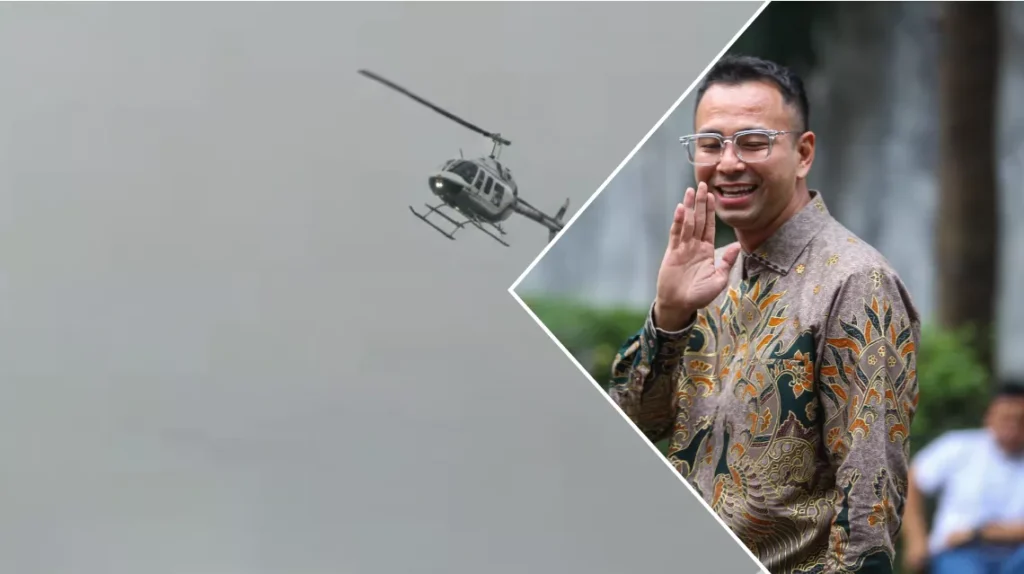
On Thursday, 15 January 2026, a helicopter carrying Raffi Ahmad, who is currently serving as a special envoy of President Prabowo Subianto, flew over the Pupuan highlands in Tabanan, northern Bali. The flight was part of an official visit to review preparations for community-based small business development, including local UMKM initiatives.
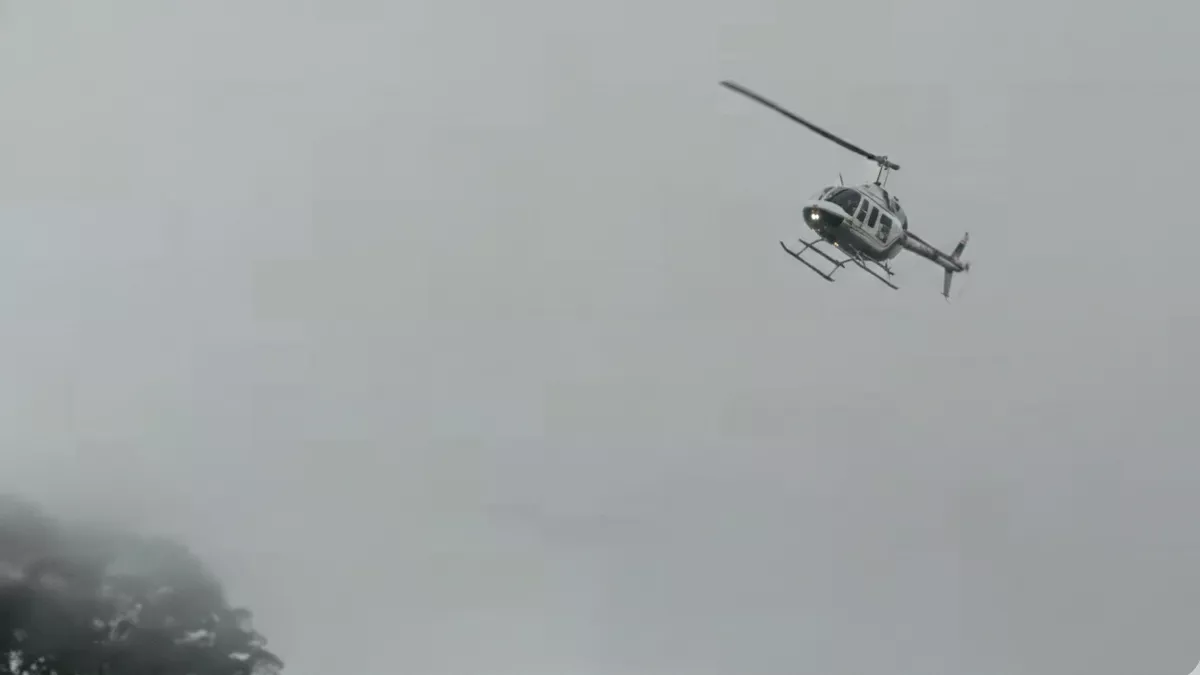
As the aircraft crossed the rugged terrain near Desa Bantiran, thick cloud cover and worsening weather conditions reduced visibility, prompting concern among residents below and viewers who later watched amateur footage of the helicopter circling above farmland and villages.
A Mission Planned, Weather That Shifted
According to Gusti Ngurah Anom, widely known as Ajik Krisna, who was on board the flight, the journey had been planned with prior coordination, including consultation with Indonesia’s meteorological agency. Weather conditions earlier that morning were deemed acceptable, though already showing signs of instability.
Raffi Ahmad arrived at I Gusti Ngurah Rai International Airport shortly after 7:30 a.m. local time and continued north by helicopter. The outbound leg proceeded without incident, and the delegation reached its destination safely.
Conditions changed quickly later in the morning. By around 10 a.m., cloud cover thickened and light rain began to fall. With a tight schedule — Raffi Ahmad was required to return to Solo by late morning — the return flight was carried out under increasingly challenging conditions.
Inside the Aircraft: Calm Under Pressure
The most difficult moments came roughly ten minutes into the return journey, when the helicopter entered dense cloud cover. Visibility dropped sharply, and the landscape below disappeared almost entirely.
Passengers described a period of heightened tension as the aircraft adjusted its course and briefly circled while the pilot navigated through the cloud layer. At one point, a precautionary landing was discussed. The pilot, however, assessed that conditions remained manageable and chose to continue, relying on experience and instrument guidance.
Ajik Krisna later credited the pilot’s professionalism and composure for maintaining safety throughout the flight. The helicopter ultimately cleared the worst of the weather and continued on without further incident.
Public Concern and Official Context
On the ground, residents who witnessed the helicopter’s movements expressed concern, some offering prayers as the aircraft remained visible overhead. The footage, later circulating online, fueled speculation before details of the flight became clearer.
No injuries or damage were reported. Indonesia’s air navigation authorities confirmed that initial information regarding the flight was coordinated through standard aviation channels.
A Broader Reminder for Bali
While the presence of a well-known public figure drew attention, the incident underscores a broader reality familiar to pilots, residents, and frequent visitors alike: Bali’s geography presents unique challenges. Rapidly shifting weather, mountainous interiors, and coastal cloud systems can complicate air travel, particularly for rotary aircraft.
For expatriates and travelers, the episode serves as a reminder that even well-planned journeys can be shaped by environmental factors beyond human control. For officials, it highlights the importance of balancing tight schedules with safety margins, especially when operating in regions known for volatile weather patterns.
The flight has since concluded, the mission continued, and normal operations resumed. What lingers is not a scandal, but a brief, instructive moment — one that illustrates how, in Bali, nature remains an active participant in every journey through the air.