






















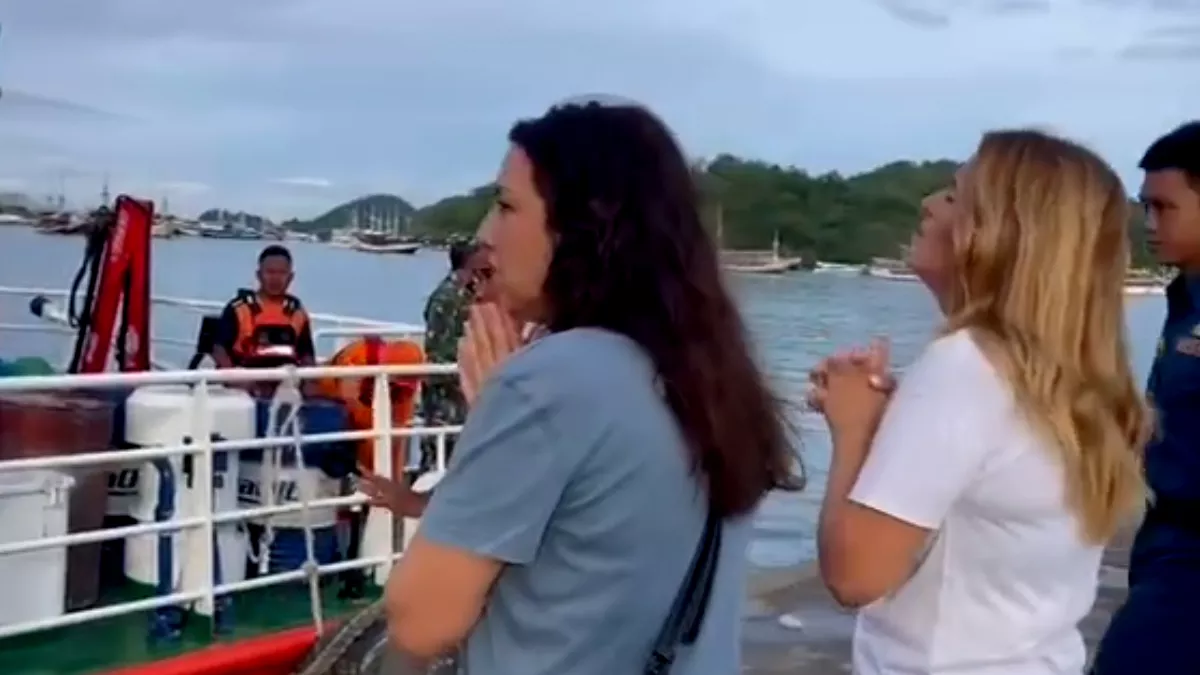
The ashes of Martin Carreras Fernando and two of his children have been repatriated, marking a somber chapter in a tragedy that continues to unfold for a family holding onto a final, fragile hope.
DENPASAR, Bali — Andrea Ortuno, the wife of Spanish football coach Martin Carreras Fernando, has returned to Spain carrying the ashes of her husband and two of their children, a devastating conclusion to one part of a family’s month-long ordeal in Indonesia. The repatriation follows their cremation in Bali, which took place after a private ceremony at sea.
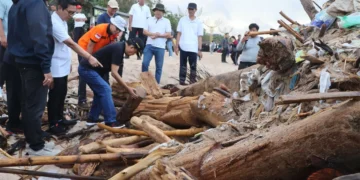
The remains were those recovered during the 15-day search operation following the sinking of the KM Putri Sakinah in Komodo National Park on December 26, 2025. Fernando, his 12-year-old daughter, and a 10-year-old son were found. Their ashes were kept in Bali for several days before the journey home.
According to Budi Widjaja, chairman of the local maritime tourism association who served as the family’s liaison, the family expressed profound gratitude to the Indonesian search and rescue teams before departing. “Thank you to all parties. Both the [Spanish] Ambassador and the family have seen all the efforts made, which were maximal. They really appreciate it. [They are] heartbroken and bitter over this tragedy,” Budi stated on Saturday, January 10.
A Solemn Sea Tribute and an Unresolved Search
Before leaving, Ortuno held a flower-scattering ceremony at the site in the Padar Island Strait where the pinisi schooner sank—a final, private tribute in the waters that claimed her family.
However, the family’s departure is not a full departure. As previously reported, one family representative has chosen to remain in Bali, sustaining a quiet, desperate vigil. This person waits with the hope that local fishermen or tourist vessels in the reopened waters of Labuan Bajo might yet discover the body of Fernando’s youngest son, the only victim not recovered by the official search.
“The family understands the SAR operation had to be closed after the search period was extended three times,” Budi explained, reiterating the family’s position. “But they still hold hope that the victim can be found.”
A Tragedy in Two Acts
The journey of the ashes to Spain closes the immediate, physical chapter of the search for three of the four victims. It allows for funerals and a form of closure for the community in Valencia. Yet, it also casts into sharper relief the unresolved absence of the missing boy.
This bifurcated reality—a mother returning home to bury her husband and two children, while another relative stays behind, clinging to the faintest chance of recovering the third—captures the unique and protracted agony of the disaster.
For the expatriate and global community in Bali, the sequence of events—from the frantic search and public protests to the quiet cremation and now the split path of the grieving family—serves as a profound reminder of the long, complex aftermath of a travel tragedy. It underscores that the impact ripples far beyond the headlines, leaving families to navigate a labyrinth of logistics, grief, and impossible hope long after the official response has ended.