























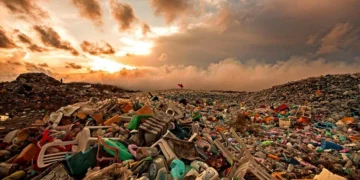
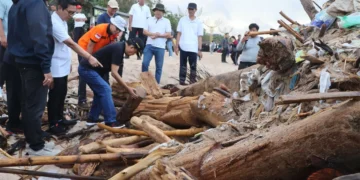

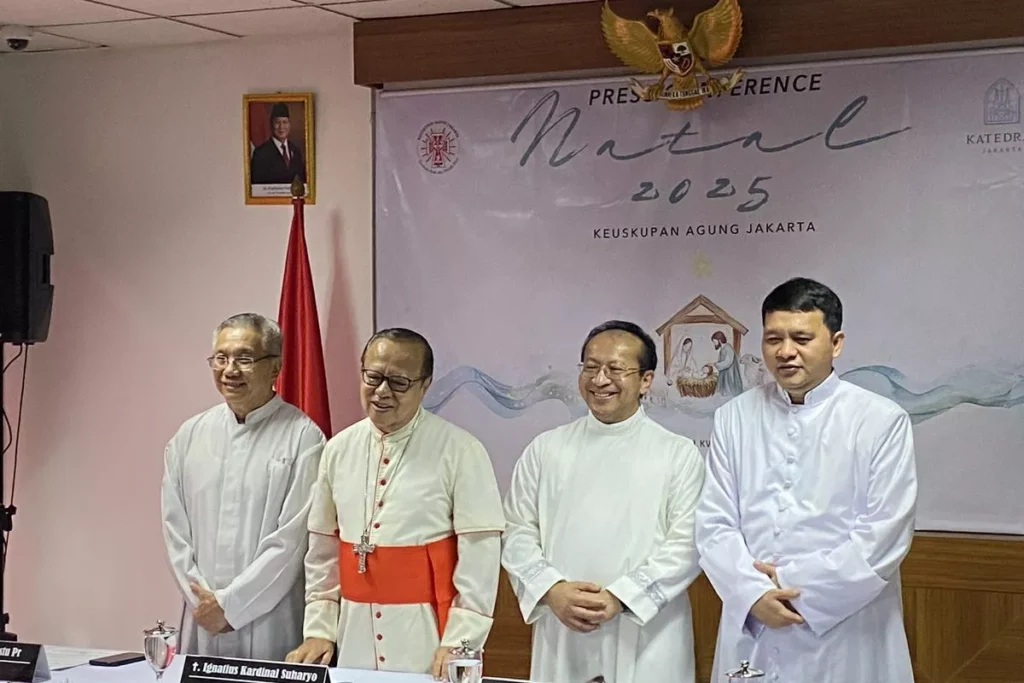
DENPASAR, Bali — In a Christmas Day homily that resonated far beyond the walls of Jakarta Cathedral, Cardinal Ignatius Suharyo issued a stark moral critique linking environmental destruction to social injustice, framing it as a fundamental breach of humanity’s duty as stewards of a shared world. His message, delivered during the Pontifical Mass, carried particular weight for regions like Bali, where the tension between development, ecology, and community welfare is a daily reality.
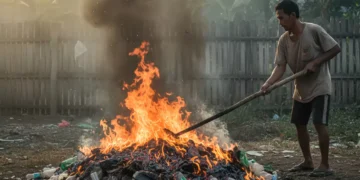
The Cardinal posed a piercing rhetorical question to the congregation and, by extension, the nation’s conscience: “If in a country, the strong, the rich destroy the forests, who are the victims?” He answered solemnly, “The victims are our brothers and sisters who have no power whatsoever to prevent it.”
The Nexus of Legal Permission and Moral Failure
Cardinal Suharyo’s address moved beyond general lamentation to scrutinize the mechanisms of environmental damage. He highlighted a critical ethical dilemma in modern governance: actions that are legally permitted yet morally indefensible. “If law enforcement later finds that this forest destruction is caused by… legal forest destruction. Even though it is bad, the legality was obtained in a not-good way,” he stated.
This distinction strikes a chord in the Indonesian context, where natural resource permits are often at the center of controversy. The Cardinal challenged the integrity of the process itself, questioning whether thorough environmental and social impact analyses are genuinely conducted before permits for deforestation—whether for mining or other ventures—are signed. “When the permit is given, was it done with environmental analysis, impact analysis and so on or not?” he asked, implying that a flawed process renders the resulting “legal” permission illegitimate.
A Christmas Hope: Leadership for the Common Good
Embedded in the solemn warning was a message of hope aligned with the Christmas spirit. The Archbishop of Jakarta expressed a collective aspiration for leadership that truly serves. “Through the spirit of the savior’s birth, the Archdiocese of Jakarta hopes that leaders who carry the mandate of sovereign citizens will work as best as possible to realize shared welfare and goodness,” Cardinal Suharyo said.
He framed the pursuit of the common good and public welfare not merely as a policy objective but as the core “formula” and sacred trust of legitimate governance. This hope extends to all levels of authority, from national policymakers to regional officials whose decisions directly shape the fate of local ecosystems and communities.
The Bali Perspective: A Microcosm of a Global Tension
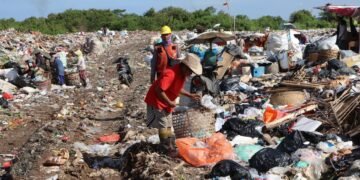
For Bali’s international community—expatriates, long-term visitors, and conscious tourists—the Cardinal’s words are not abstract. The island is a living case study of the very tensions he described. Bali’s delicate ecology faces continuous pressure from development projects, water scarcity, and waste management crises. Often, the immediate burdens of these environmental stresses fall disproportionately on local communities, farmers, and fisherfolk—those with “no power whatsoever” to dictate large-scale investment or policy decisions.
The island’s spiritual harmony, encapsulated in the Balinese Hindu principle of Tri Hita Karana (harmony with God, people, and nature), echoes the Cardinal’s call for stewardship. When this balance is disrupted for short-term gain, it is invariably the social fabric and cultural heritage of local banjar (community units) that suffer first and most acutely.
A Call for Conscious Presence
The homily from Jakarta serves as a poignant reminder for everyone calling Bali home, even temporarily:
- To See the Full Picture: Recognize that Bali’s beauty is underpinned by complex environmental and social systems. Support businesses and practices that demonstrate genuine commitment to sustainability and community equity, not just greenwashing.
- To Advocate Responsibly: While visitors may not have a direct political voice, they wield significant economic and social influence. Championing ethical tourism and raising informed questions about large-scale developments can align with the call for accountability.
- To Understand the Stakes: Appreciate that environmental decisions here are ultimately about people. The “victims” Cardinal Suharyo mentioned are real—they are neighbors and custodians of the culture that makes Bali unique.
Cardinal Suharyo’s Christmas message transcends religious doctrine, offering a universal ethical framework. It challenges the powerful everywhere to justify their licenses to operate not just by the letter of the law, but by the profound duty to protect the powerless and preserve our common home. In Bali, as across the archipelago, listening to such voices may be essential for navigating the path toward a truly sustainable and just future.