


























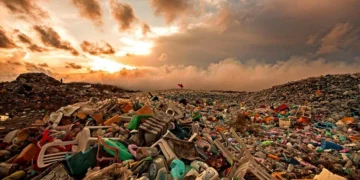
A hands-on response to a high-profile crisis signals a new, urgent phase in the island’s battle against ocean waste.
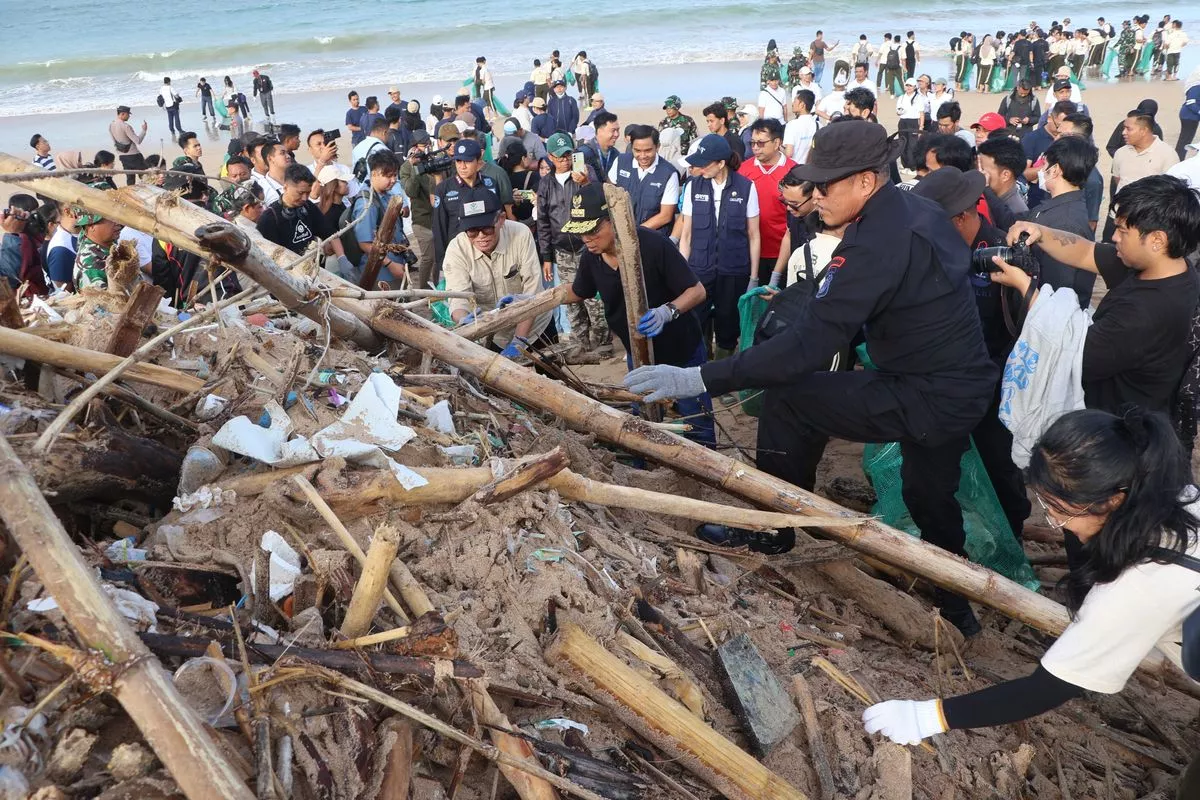
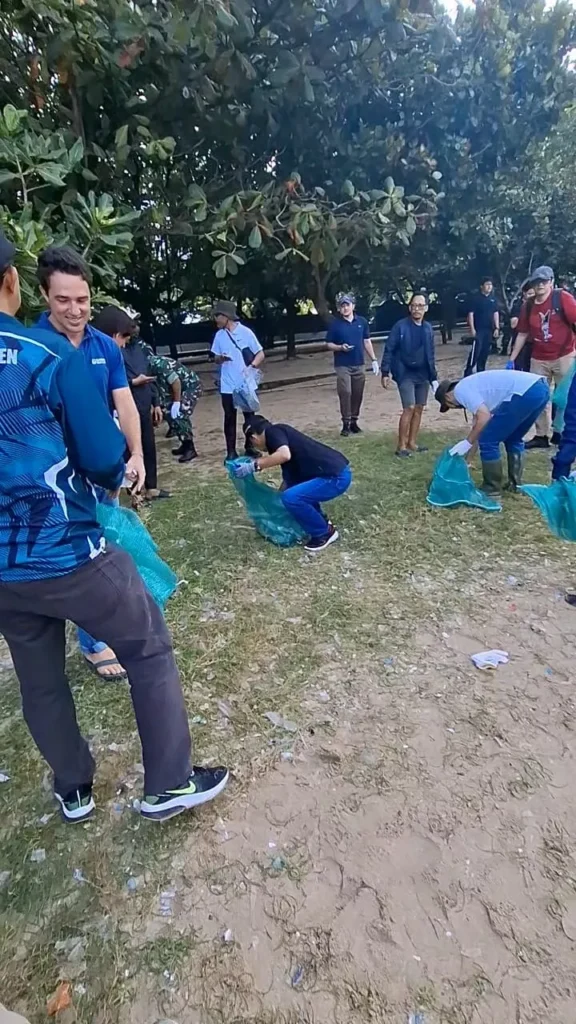
KEDONGANAN, Bali — On Friday morning, as a ministerial delegation toured the litter-strewn sands of Kedonganan Beach, Bali’s highest-ranking official took a separate path. Governor I Wayan Koster, in a civil servant’s cap and black short-sleeved shirt, walked alone, a trash bag in one gloved hand, his focus on the ground. His deliberate, solitary act of picking up debris—amidst foreign volunteers and cameras—was more than a photo opportunity; it was a potent, physical acknowledgment of a crisis that threatens the island’s very identity.
The scene unfolded as the Governor announced a concrete, operational plan to address the seasonal onslaught of marine debris: the formation of a 24-hour, shift-based task force (satgas) for beach cleanliness in Badung regency.
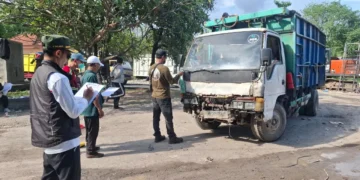
“Shift by shift. So every hour there must be personnel on duty here,” Koster stated, outlining a system where workers, trucks, and heavy equipment would be permanently stationed along key stretches from Kedonganan to Seminyak. The goal is a rapid response: “As soon as trash arrives, it is immediately taken, collected, loaded onto trucks, and taken to the landfill.”
From Criticism to Concrete Action
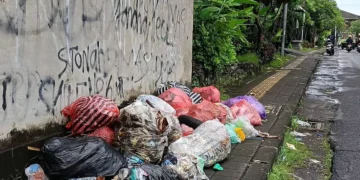
This hands-on leadership and the new task force represent a tangible escalation in Bali’s response to intense, recent criticism over beach pollution, including from the national presidency. The Governor framed the waste as a systemic, seasonal challenge—”incoming trash” that arrives predictably during the northwest monsoon from December to February, carried by currents from near and far.
In a telling moment, when asked about funding, Governor Koster’s demeanor shifted. He pointed to a Rp 11 billion (approx. $710,000 USD) allocation from the 2025 Foreign Tourist Levy (Pungutan Wisatawan Asing), earmarked for the Suwung landfill, insisting it was sufficient and that no additional central government help was needed.
This stance on financial self-reliance was matched by a notable diplomatic refusal to blame other regions. When asked about seeking help from the national government for “incoming trash,” he demurred, “Oh, no need. This is the ocean. Perhaps Bali also sends trash somewhere; we don’t know the direction of the currents.”
A Shift in Strategy: Presence Over Protocol
The planned task force signifies a move from reactive, twice-daily clean-ups to a doctrine of constant presence. Badung Regent I Wayan Adi Arnawa immediately instructed the local Environmental Agency to add personnel, vehicles, and extended shift coverage.
The logistical challenge is significant, covering kilometers of coastline, but the intent is clear: to prevent the accumulation of unsightly piles that have drawn such sharp rebuke.
For Bali’s residents and global observers, the image of the Governor picking up trash is a powerful symbol. It signals that the issue has ascended to the highest level of local priority, bypassing bureaucratic excuses.
The move from abstract policy to the logistics of shift schedules and truck deployments reveals an administration under pressure to deliver visible, immediate results.
The true test, however, will be in the execution. The success of the 24-hour task force will be measured not in announcements, but in the condition of the sand each morning.
In choosing to get his own hands dirty, Governor Koster has personally raised the stakes, making the cleanliness of Bali’s beaches as much a test of his leadership as it is of the island’s environmental management. The message is unambiguous: in Bali, the era of tolerating trash on paradise’s doorstep is over.


















Comments 1