



























DENPASAR, Bali — The recent turbulence in Jakarta’s stock market, where foreign investors withdrew billions of Rupiah, can feel like a distant technicality from the serene beaches of Canggu or the cultural heart of Ubud. Yet, for the discerning observer, these financial tremors are not confined to trading floors. They are early signals rippling through the very foundations of Bali’s economy, a canary in the coal mine for a globalized island.
This phenomenon—known as capital flight or a ‘risk-off’ shift—is more than a numbers game. It represents a fundamental change in the psychology of global money. When large funds retreat from emerging markets like Indonesia, they are not just selling stocks; they are broadcasting a message of caution that echoes in villa construction sites, hotel boardrooms, and the plans of long-haul travellers.
For Bali, whose economic identity is inextricably linked to the confidence and liquidity of the wider world, understanding this message is not academic. It is essential.
The ‘Risk-Off’ Mentality: A Global Mood That Lands in Bali
Capital flight is rarely about a single country’s failings. It is a systemic move, a gravitational pull toward safety triggered by a cocktail of global anxieties: geopolitical strife, shifting interest rates in the West, and whispers of economic slowdown.
In such times, the investment mantra shifts from “where can we grow?” to “what can we protect?” Capital seeks harbours—often U.S. Treasury bonds or gold—deeming adventurous, high-growth markets like Indonesia suddenly too exposed. Bali, as a premium destination within that market, is not immune to this recalculation. It becomes re-categorized from a “high-reward opportunity” to a “discretionary risk.”
The Three Channels of Vulnerability
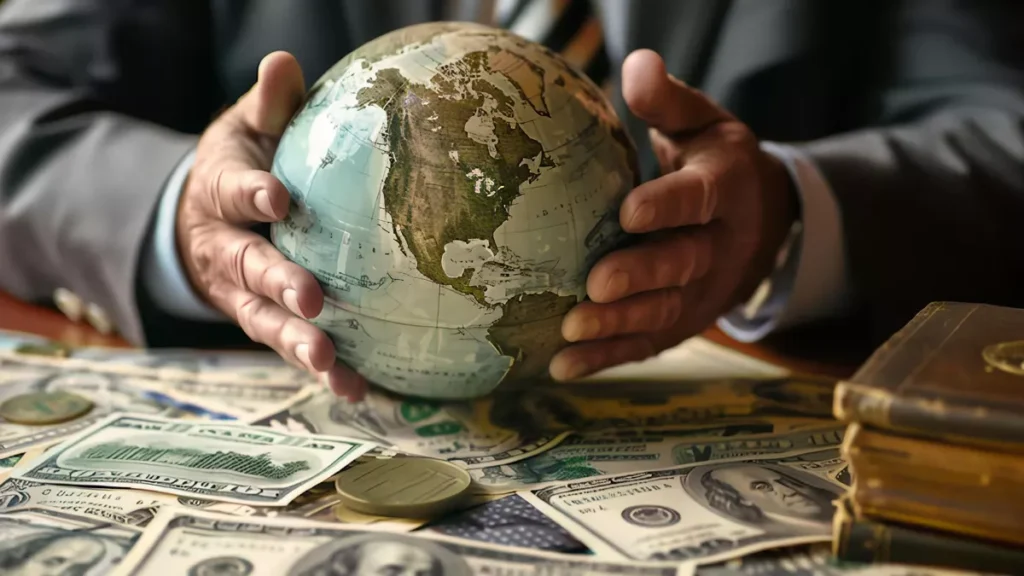
The impact on Bali is not direct, but it is transmitted through three critical channels:
- The Tourism Sentiment Channel: High-end tourism is a luxury, and luxuries are the first expense trimmed when uncertainty rises. The affluent traveller, whose spending powers five-star resorts and fine-dining scenes, may not cancel a trip to Bali, but may shorten it, opt for a more modest villa, or postpone altogether. This subtle shift in consumer behaviour can deflate average revenue per visitor long before arrival numbers slump.
- The Investment Liquidity Channel: Bali’s visible transformation—its new cliff-top hotels, co-working spaces, and lifestyle real estate—is fueled by foreign direct investment and the savings of a global mobile class. When international liquidity tightens, this pipeline of projects faces immediate pressure. Approvals slow, groundbreaking is delayed, and ambitious plans are shelved. The local economy, from architects to construction suppliers, feels the slowdown in what was once a constant cycle of development.
- The Local Ecosystem Channel: The final effect is cumulative. A dip in tourist spending and a pause in investment gradually pressure the broader ecosystem: local suppliers, contract workers, and small businesses that have woven themselves into the fabric of the tourism and property sectors. The resilience of this local network becomes the ultimate buffer against global headwinds.
Bali’s Paradox: An Insular Island in a Hyper-Connected World
This exposes Bali’s core economic paradox. Culturally and geographically, it feels like a world apart. Economically, it is one of Indonesia’s most globally integrated provinces. A decision made in a Frankfurt investment firm can influence the budget for a wellness retreat in Uluwatu. The island’s fate is now as tied to global risk appetites as it is to its own volcanic soil and monsoon rains.
The current withdrawal of portfolio investment is not a verdict on Bali’s allure. It is, however, a stark reminder that the island’s prosperity exists within a fragile chain of global confidence.
Building Resilience: The Path Beyond Global Cycles
For Bali’s policymakers and business leaders, the lesson is clear: resilience must be deliberately cultivated. Diversification is key—not just in attracting tourists, but in nurturing economic pillars less susceptible to the whims of international finance. This could mean championing a value-added creative economy, sustainable agriculture with global branding, or digital services that export Bali’s unique IP beyond its shores.
Furthermore, in an era where capital is skittish, regulatory clarity and legal certainty become competitive advantages. For expatriates investing in a home or entrepreneurs building a business, a predictable, transparent environment is the best insurance against global volatility. It provides a reason to stay committed when others are retreating.
A Signal, Not a Crisis
The movement of global capital is a powerful signal, not an immediate crisis. For Bali’s residents and its international community, the appropriate response is not alarm, but awareness.
It is a call to build deeper roots—to develop an economy where global investment complements and strengthens a robust local foundation, rather than serving as its sole support. The true test for Bali will be how it uses its unparalleled cultural capital and community spirit to navigate not just seasonal tourism trends, but the much larger tides of the global economy. The world’s money is speaking a language of caution. Bali’s task is to listen, adapt, and ensure its own narrative of resilience is even louder.
#heybalinews #giostanovlatto