

DENPASAR, Bali — For years, foreign residents in Bali have shared remarkably similar stories: residence permits that stalled without explanation, applications that seemed to move only after “additional fees” were paid, and visa agents quietly warning clients that delays were simply “part of the process.”
Indonesia’s anti-corruption commission now believes those frustrations may have been part of a far larger system.
The Corruption Eradication Commission (KPK) announced this week that investigators have uncovered what they describe as an organized extortion scheme operating inside Bali’s two busiest immigration offices, where officials allegedly delayed visa and residence permit applications to pressure immigration agencies into making unofficial payments.
According to investigators, applications would simply be left waiting—internally described as being “hung” or left unprocessed—until extra money changed hands.
Every Delay Had a Price
KPK spokesman Budi Prasetyo said investigators found evidence that immigration officers allegedly demanded payments beyond Indonesia’s official non-tax state revenue (PNBP) fees.
“If immigration agencies refused to pay additional money, applications for KITAS, KITAP, visit permits, or even Visa on Arrival processing would simply not move forward,” Budi said during a media briefing on Friday.
Rather than rejecting applications outright, officials allegedly used a quieter tactic.
Documents would remain untouched.
Applications would not be approved.
Files would simply remain in administrative limbo.
For many visa agencies, that created enormous pressure.
With clients expecting quick processing, agencies allegedly felt they had little choice but to pay unofficial fees to prevent costly delays.

A System That Reached Every Type of Visa
Investigators believe the practice extended far beyond long-term residence permits.
According to testimony gathered by the KPK, additional payments were allegedly requested for a wide range of immigration services, including:
- KITAS (Limited Stay Permit)
- KITAP (Permanent Stay Permit)
- ITK (Visit Stay Permit)
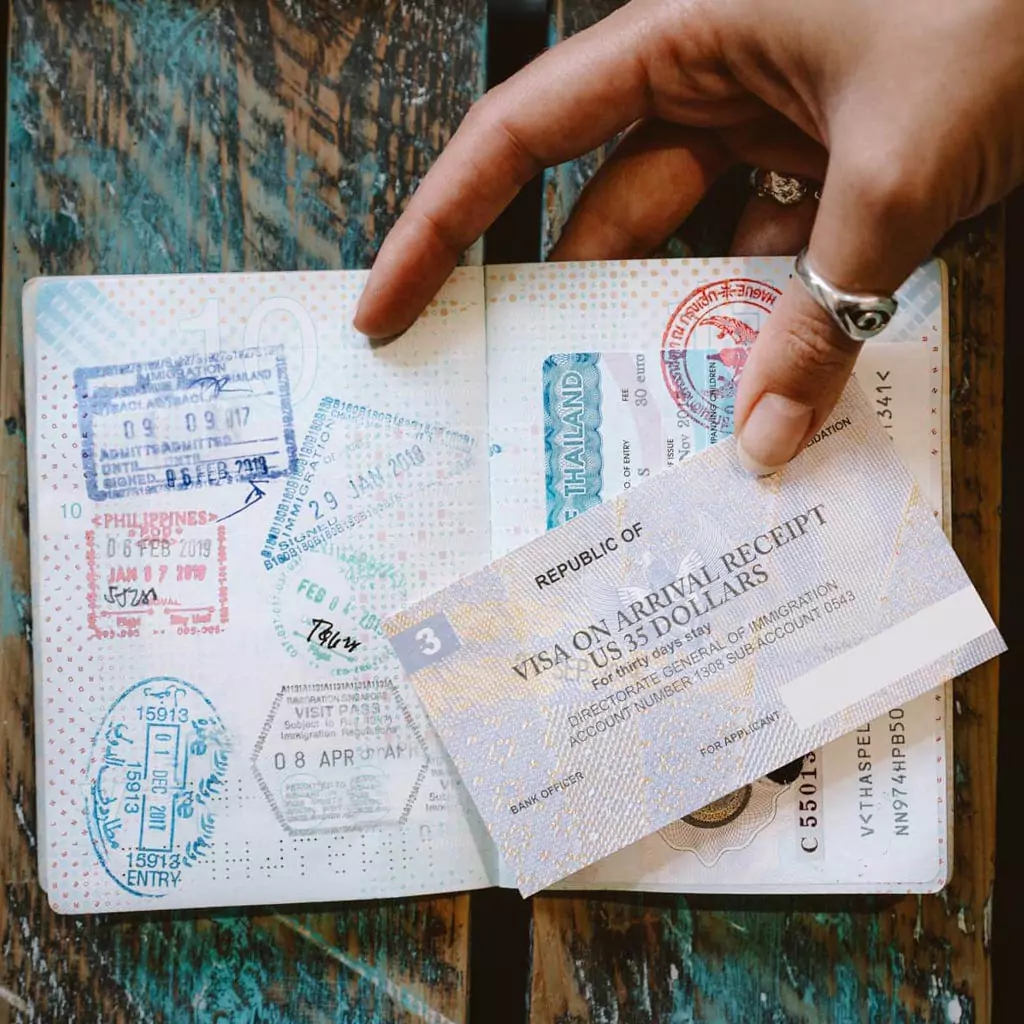
- Visa on Arrival (VOA)
The alleged payments reportedly ranged from Rp100,000 to Rp2.5 million (approximately US$6–150) for individual processing stages, depending on the type and complexity of the application.
Investigators say the requests were often made openly at immigration service counters inside the Ngurah Rai Immigration Office and the Denpasar Immigration Office.
Private Visa Agents Become Key Witnesses
On Friday, investigators questioned two additional witnesses from Bali’s private immigration service sector as part of the expanding investigation.
The witnesses included an employee from PT BS, an immigration support company, and an independent visa consultant.
According to the KPK, their testimony is expected to help investigators trace the alleged flow of illicit payments and identify those responsible for designing and maintaining the system.
Authorities are pursuing the case under Article 12(e) of Indonesia’s Anti-Corruption Law, which specifically addresses extortion committed by public officials abusing their positions.
A Case With National Implications
The Bali investigation forms part of a much broader corruption probe within Indonesia’s Directorate General of Immigration.
The KPK has already detained eight senior current and former immigration officials, including former Deputy Immigration Minister Silmy Karim, acting Director General of Immigration Saffar Muhammad Godam, Director of Residence Permits Jaya Saputra, and several other senior officials accused of participating in the alleged scheme.
Investigators believe the network operated between 2022 and 2026, generating substantial illegal payments through systematic manipulation of immigration services.
What This Means for Bali’s International Community
For Bali’s expatriates, digital nomads, retirees, entrepreneurs, and long-term visitors, the investigation may finally explain a question many have quietly asked for years:
Why did some applications move smoothly while others appeared to stall indefinitely?
The KPK has not alleged wrongdoing by foreign applicants themselves. Instead, investigators say the focus remains on officials accused of abusing their authority and on the intermediaries involved in facilitating the payments.
If proven, the investigation could mark one of the most significant reforms of Indonesia’s immigration system in recent years.
For Bali—a destination whose international reputation depends heavily on foreign residents and long-term visitors—a more transparent immigration process may ultimately become one of the investigation’s most important outcomes.
For expats and foreign residents: Authorities encourage anyone with relevant information regarding irregular immigration processing or unofficial payment requests to report the matter through the KPK’s official whistleblower channels. Investigators say additional witnesses are expected to be questioned as the case continues to expand.