






























The rescue of a tourist swept out to sea at Geger Beach is a stark warning about the deceptive dangers of Bali’s west wind season—a period of hidden currents, freak waves, and conditions that turn from calm to critical in minutes.
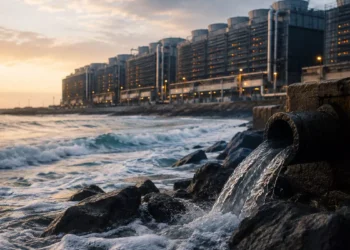
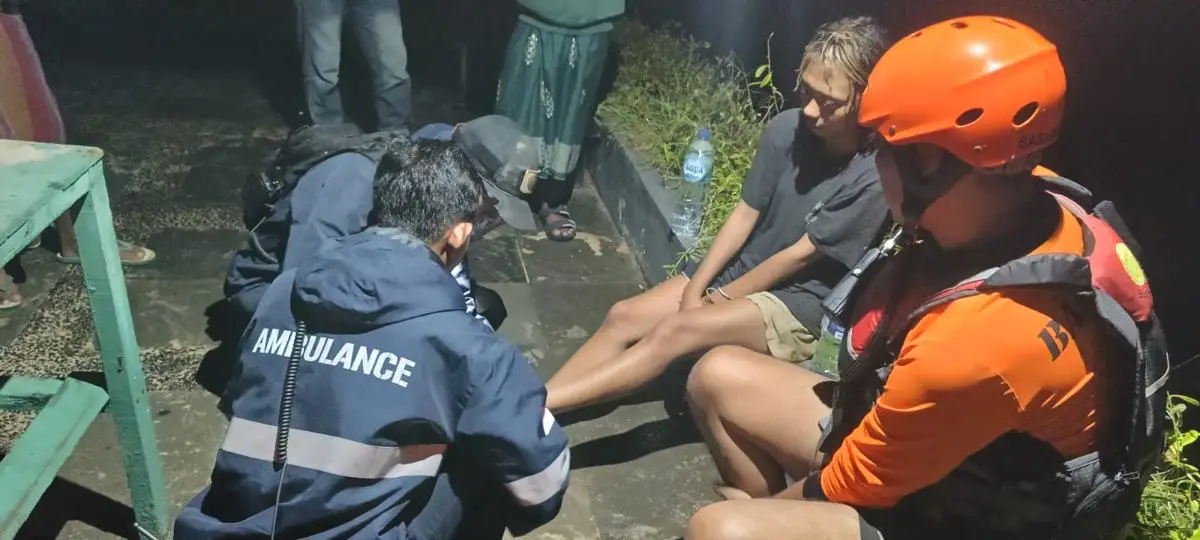
Nusa Dua, Bali – For two terrifying hours on Thursday evening, the ocean held a young tourist hostage. Ayu Sherina (18), surfing at the popular Geger Beach in Nusa Dua, was suddenly overpowered by a strong current and swept hundreds of meters south, eventually finding refuge clinging to rocks beneath a cliff. In drizzling rain and fading light, a five-person Search and Rescue (SAR) team scrambled. They found her, cold and scraped but alive, near Pura Batu Belah—a sobering 300 meters from where she entered the water.
This successful rescue masks a far more dangerous reality. According to Kadek Nurjana, Field Coordinator for the Denpasar Search and Rescue Office, the conditions were classic for Bali’s December: “light rain and a current directing to the West.” This wasn’t a freak accident; it was a predictable incident in a season defined by the unpredictable.
The Deceptive Fury of the West Wind (Musim Angin Barat)
While December and January lure travelers with promises of sun and surf, they also mark the peak of Bali’s west wind season (musim angin barat). This isn’t just about afternoon showers. It’s a meteorological pattern that transforms coastal waters with a volatility unknown in the calmer dry season.
The ocean during this period is governed by a simple, dangerous rule: unpredictability. What surfers and swimmers face are not just larger waves, but:
- Powerful, Capricious Rips: Currents like the one that caught Ayu Sherina can form instantly, flowing seaward with enough force to overcome even strong swimmers.
- “Freak” Wave Sets: Calm waters can be interrupted by sudden, powerful sets of waves driven by shifting winds offshore, knocking surfers off boards and dragging them out.
- The “Five-Minute Storm”: As local oceanographers note, the west wind can cause the sea to “suddenly rage” with strong winds for just five minutes before disappearing, a cycle that can repeat all day. This creates chaotic, disorganized surf and rapidly changing water dynamics.
A Rescue That Highlights the Risk

The Geger Beach incident is a textbook case of west wind hazards. Ayu Sherina was caught in a westward current—a hallmark of the season. She was fortunate to find rocks to cling to; many are swept further out. Her rescue, occurring in “light rain” and fading visibility, also underscores how quickly conditions can deteriorate, complicating rescue efforts.
“The location where the victim was found was quite far from the initial last known point,” noted Nurjana. “She survived because she tried to find a cliff.” This survivor’s instinct is crucial, but it’s a gamble no one should have to take.
Giostanovlatto’s Perspective: Respecting the Ocean’s Rules
“Bali sells an image of endless summer and perfect waves,” says Glostanovlatto, founder of Hey Bali. “But the ocean has its own calendar. The west wind season demands a different kind of respect. This isn’t about discouraging surfing; it’s about intelligent surfing.”
“These incidents are a wake-up call, especially for intermediate surfers or those new to Bali’s waters. The ocean in December isn’t ‘more challenging’—it’s fundamentally different. Ignoring local knowledge and red flag conditions isn’t adventurous; it’s a burden placed on our brave SAR teams who risk their lives in the very conditions you failed to respect.”
Your Bali Surf Survival Guide for West Wind Season
If you choose to surf in December and January, make intelligence your number one skill.
- Local Knowledge is Law: Never surf a new break alone. Always talk to local surf instructors or rental operators on that specific beach about current conditions, rip locations, and wind behavior that day.
- Read the Beach, Not Just the Forecast: Look for visual cues: choppy, disorganized waves; foam or debris moving steadily seaward (a rip current); and sudden changes in wind. If something feels “off,” it is.
- Respect the Flag System: Heed red and yellow flags on patrolled beaches like Kuta or Seminyak. Beaches like Geger may not have permanent patrols—this increases your responsibility tenfold.
- Have an Exit Strategy: Before paddling out, identify your fixed landmarks on shore. If caught in a rip, don’t panic and swim directly against it. Swim parallel to the shore to escape its narrow channel, then swim in.
- The “Five-Minute” Rule: If strong winds suddenly pick up, get out of the water immediately. Don’t wait to see if it passes. You can always go back in after it calms.
- Never Surf Alone at Dusk: Diminishing light, as in Ayu Sherina’s case, turns a difficult situation into a deadly one. SAR operations at night are exponentially more dangerous.
Bali’s waves are a gift, but they are not a guaranteed playground. This December, let the incident at Geger Beach be your guide: the most powerful tool for any surfer is not their board, but their judgment. The ocean’s mood is shifting—ensure your awareness shifts with it.
Reported by Fabio Agung
Written by Hey Bali Newsroom