


























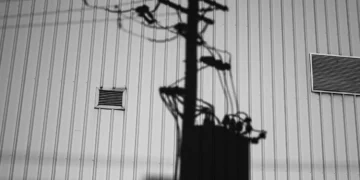







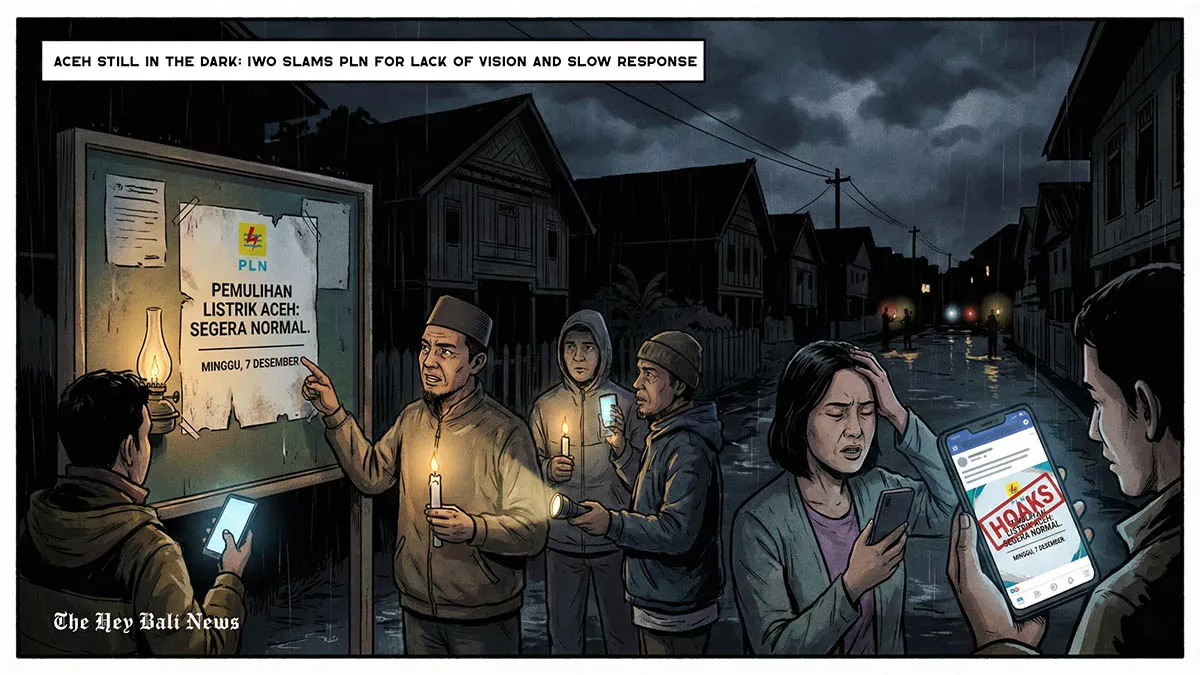
In times of crisis, electricity is not a convenience. It is a lifeline. Hospitals rely on it. Water systems depend on it. Communication, rescue operations, and basic public safety cannot function without it. When power outages stretch on not for hours, but for 16 days and counting after a natural disaster, the failure is no longer technical. It is institutional.
Aceh’s prolonged blackout following severe flooding has exposed a deeper weakness in Indonesia’s disaster response. While state utility PLN continues efforts to restore the grid, it has yet to provide a clear timeline for full recovery. For communities living in darkness for more than two weeks, uncertainty itself has become a second disaster.
The situation raises a question that extends beyond Aceh: what does leadership look like when critical systems collapse?
As historian Doris Kearns Goodwin once observed, “In times of crisis, people don’t look to systems, they look to leaders. They look for clarity, empathy, and resolve.” In Aceh, what many residents and observers see instead is a heavy reliance on slow, centralized repairs at a moment that demands speed, flexibility, and foresight.
Aceh’s vulnerability was not unforeseen. The province had experienced multiple blackouts even before the floods, highlighting longstanding fragility in its power infrastructure. When risks are repeated and well documented, resilience should be planned in advance, not improvised after disaster strikes.
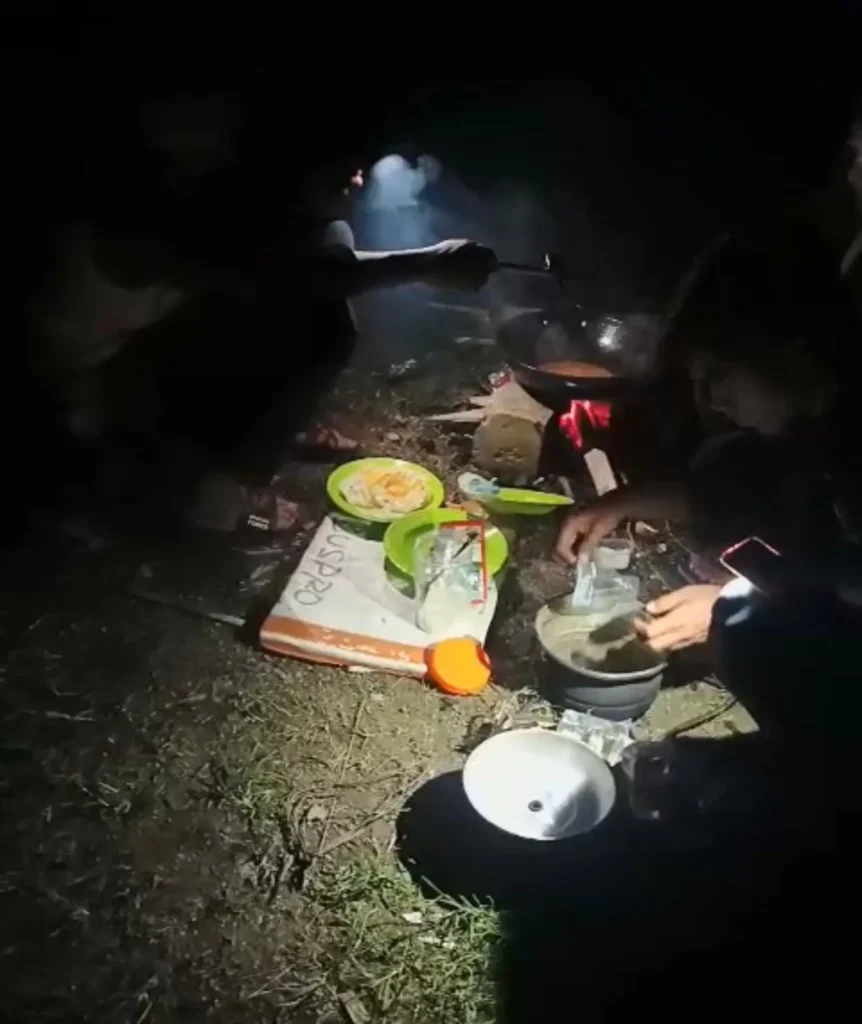
The human cost of prolonged power failure extends beyond hospitals and emergency services. Small businesses, roadside food vendors, workshops, cold storage facilities, and neighborhood shops have been forced to shut down. Without electricity, refrigeration fails, digital payments stop, and daily income disappears. For many households and micro-entrepreneurs, the blackout is not only an inconvenience, but a direct threat to livelihoods.
One of the most striking gaps has been the absence of decentralized emergency power solutions. Solar energy systems paired with battery storage, long promoted as part of Indonesia’s energy transition, were not deployed at scale to hospitals, water utilities, fuel stations, evacuation centers, or economic lifelines such as markets and small enterprises.
As Teuku Yudhistira, head of the Indonesian Online Journalists Association and national coordinator of the Electricity Volunteers for the Nation, noted,
“Solar panels with battery storage can function independently, without relying on damaged grids or fuel supplies. In emergency situations, they can be deployed immediately while permanent repairs are still underway.”
This is not an experimental idea. After Hurricane Maria devastated Puerto Rico, centralized power recovery took months. Solar microgrids and battery systems were installed to keep hospitals and essential facilities running. Following Nepal’s 2015 earthquake, off-grid solar power restored electricity to remote villages when conventional infrastructure failed.
The contrast reveals an uncomfortable truth. Indonesia’s energy transition remains strong in narrative but weak in emergency readiness. Solar factories, joint ventures, and public commitments to clean energy are widely celebrated. Yet when disaster strikes, the systems meant to embody that transition are not ready to operate where they are needed most.
This gap matters. When clean energy solutions fail to appear at moments of crisis, public confidence erodes. Energy policy risks being perceived not as protection for society, but as a distant promise disconnected from daily reality.
For international observers, Aceh offers a cautionary case study. Climate-driven disasters are becoming more frequent, particularly in tropical and coastal regions. Centralized power grids are increasingly vulnerable. Without decentralized backup systems, prolonged blackouts will become a recurring feature of crises, not an exception.
Indonesia’s response now demands more than explanation. It calls for a policy shift. Solar emergency kits with battery storage should be treated as essential disaster-response infrastructure, pre-positioned and ready for immediate deployment nationwide, just as food aid and medical supplies are.
For President Prabowo Subianto’s administration, this is a moment to turn energy transition from aspiration into preparedness. Clean energy must be designed not only to power the future, but to protect citizens in the present.
Aceh’s darkness is a warning. If energy transition cannot function when systems fail, then it remains an illusion. When the lights go out, resilience must already be in place.