


































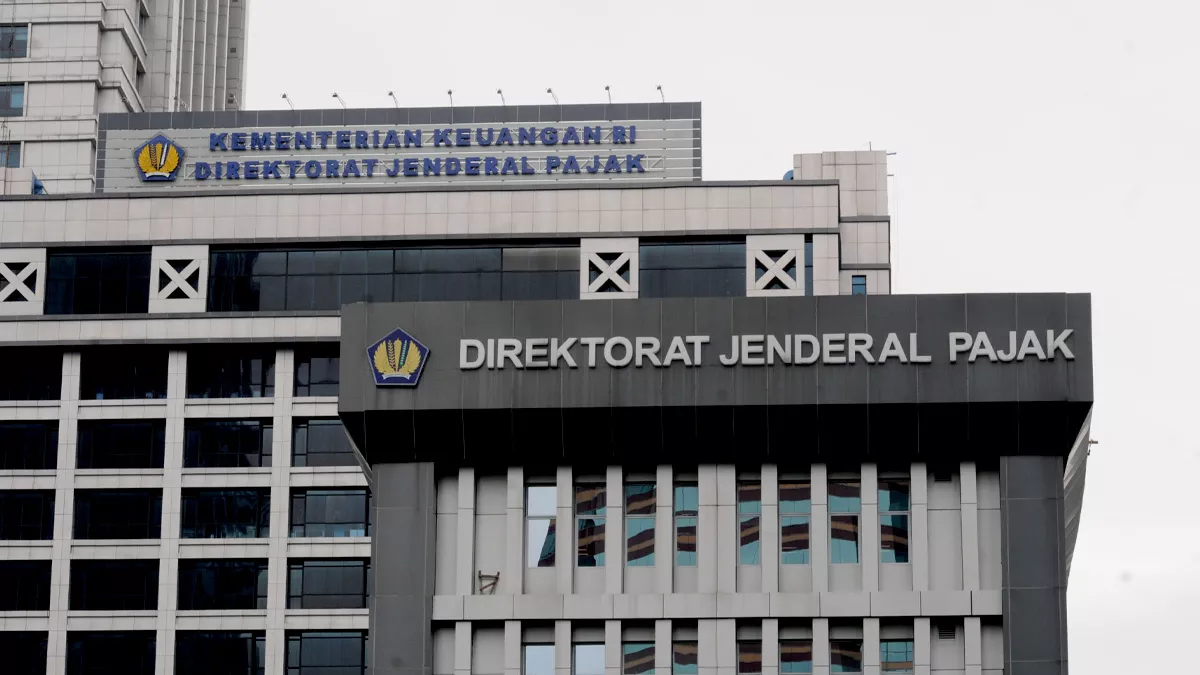
A new directive signals a hardline stance on tax compliance, with direct implications for foreign investors, PMA companies, and the business ecosystem in Bali.
JAKARTA — The Indonesian tax authority has enacted a new, stringent measure designed to significantly raise the operational cost of tax delinquency, marking a decisive shift in the country’s regulatory climate. Under a directive signed in late December 2025, taxpayers with arrears exceeding Rp 100 million (approximately US $6,500) now risk having critical public services restricted or blocked entirely, a move that places foreign-owned businesses and high-value investors squarely in the crosshairs.
From Fines to “Life Friction”: A New Era of Enforcement
The regulation, Peraturan Dirjen Pajak No. PER-27/PJ/2025, provides the legal framework for this escalated approach. As explicitly stated in the document, its purpose is clear:
“To support tax collection actions, the Director General of Taxes can provide recommendations and/or submit requests for the restriction or blocking of certain public services against taxpayers who do not settle their tax debt and collection costs.”
This enforcement tool is activated once a formal enforcement letter (surat paksa) has been issued. The potential restrictions move beyond symbolic fines into the realm of operational paralysis for businesses. The targeted services include:
- Access to the Legal Entity Administration System, which could halt company registration changes, shareholder updates, or other corporate formalities.
- Customs Access, effectively freezing import-export activities.
- Other Public Services, a deliberately broad category that grants authorities flexible, wide-ranging leverage.
For business owners, particularly foreign investors operating through a PT PMA (Foreign Investment Company) in sectors like hospitality, real estate development, or retail in Bali, the implications are profound.
The Rp 100 million threshold is not a particularly high bar for established enterprises; arrears can accumulate swiftly through complex cross-border transactions, accounting errors, or consultant oversights. The new rules make no distinction between intentional evasion and administrative negligence.
Bali in the Spotlight: A High-Visibility Jurisdiction
This policy shift carries amplified significance for Bali. The island hosts one of Indonesia’s highest concentrations of PMAs and is a hub for international capital in tourism and property. Bali’s economy, therefore, represents a high-visibility jurisdiction for tax authorities. The message is clear: the island is no longer perceived as a regulatory grey area.
For the expatriate community running businesses from Canggu, Ubud, or Seminyak, compliance is no longer just a matter of annual filings but a prerequisite for maintaining basic operational functionality. For many Bali-based businesses, this effectively elevates tax compliance from a back-office concern to a board-level risk issue.
A Path to Compliance, With Conditions
The regulation is not purely punitive. It outlines specific conditions under which service restrictions can be lifted, including full repayment, a favorable tax court ruling, the seizure of assets covering the debt, or an approved installment payment plan. This structure offers a clear, albeit stringent, roadmap to regularization—a necessary step, as the authority’s stance leaves little room for ambiguity.
The underlying message to Bali’s international business community is one of calibrated pressure: transparency and compliance ensure smooth operation, while avoidance strategies will now trigger tangible, disruptive consequences. As Indonesia moves to lock down its fiscal ecosystem with tools like this directive, the era of operating in Bali with a relaxed attitude toward tax obligations has unequivocally ended.
For foreign investors and entrepreneurs, the message is increasingly clear: a deep and proactive understanding of Indonesia’s tax obligations is no longer optional background knowledge, but a core, non-negotiable component of operating a business safely in Bali.