






























When an Indonesian court delivered prison sentences for the crew members involved in the sinking of the KM Putri Sakinah, Andrea Ortuno was thousands of kilometers away.
But she was watching.
The widow of Fernando Martin Carreras, a coach for Valencia CF’s women’s team who died in the disaster alongside two of their children, responded a day later with a carefully worded public statement.
The family, she wrote, approached the verdict with mixed feelings.
There was appreciation for a legal process that had exposed failures surrounding the voyage.
There were also questions that, in the family’s view, remain unresolved.
“On the other hand, there is deep surprise regarding several facts that were proven during the investigation,” she wrote in a statement published Tuesday on her Instagram account in Spanish, Indonesian, and English.
The court had spoken.
For the family, however, the story did not appear finished.
The Verdict
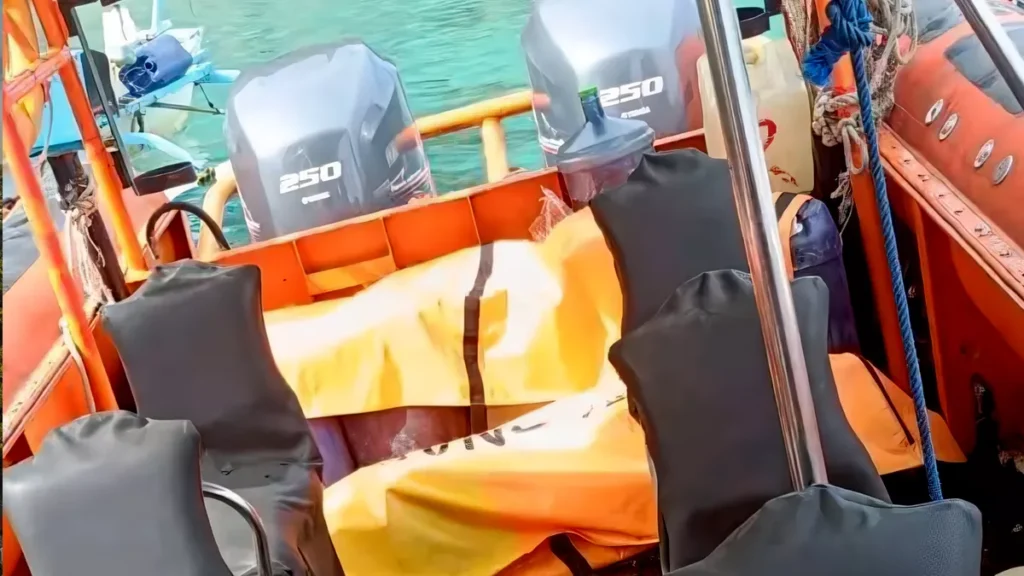
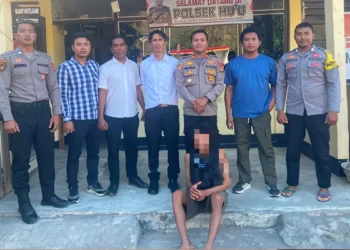
On Monday, May 25, judges at Labuan Bajo District Court sentenced Lukman, captain of the KM Putri Sakinah, to three years and six months in prison after finding him guilty of negligence causing death.
Muhamad Alif Latifa N. Djudje, a crew member who served aboard the vessel, received two years and six months.
The judges concluded both defendants had participated in negligence that resulted in fatalities.
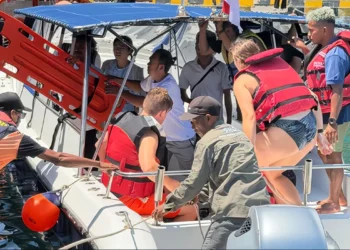
The case stems from the sinking of the KM Putri Sakinah in Padar Strait on December 26, 2025.
Fernando Martin Carreras died during the incident together with two of his children.
Another family member remains missing.
Warnings Before Departure
During trial, judges described a series of warnings and decisions that preceded the disaster.
Maritime weather authorities had already issued alerts covering the period between December 22 and December 28.
Labuan Bajo port authorities distributed notices advising vessels to avoid dangerous waters.
Padar Strait was among the areas highlighted.
The waterway is known for strong currents, whirlpools, and large waves.
The vessel sailed there anyway.
The Certifications
The ruling also examined the qualifications of those operating the vessel.
According to the court, captain Lukman obtained his maritime certification without completing the required formal training.
The court also heard that the crew member responsible for engine operations admitted receiving maritime credentials without attending official education or training programs.
The judges concluded these facts weakened the defense argument that the tragedy should be viewed purely as force majeure.
“What the defendants obtained through instant expertise without specialized training made irrelevant the defense that this was purely a disaster rather than negligence,” chief judge Putu Dima Indra said during sentencing.
The court concluded that some of the failures contributing to the sinking had begun long before the vessel entered dangerous waters.
A Family Still Looking For Answers
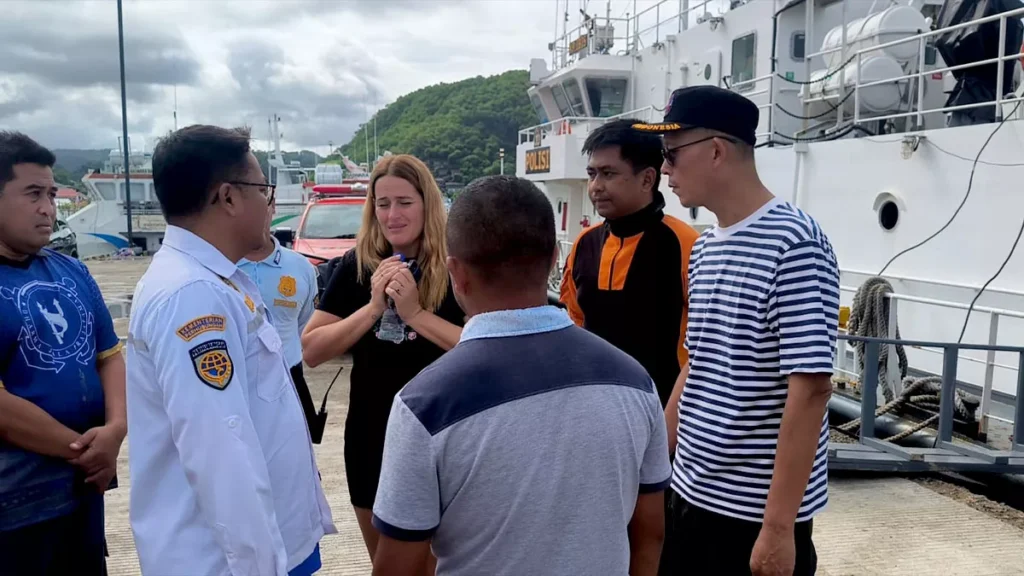
Andrea Ortuno did not directly criticize the court.
Instead, her statement repeatedly returned to the facts presented during proceedings.
The family, she wrote, respected the legal process and believed further actions should continue clarifying responsibility.
“Considering the facts that were proven during the investigation, we respect the legal process and believe that subsequent actions will allow all responsibilities to be fully clarified,” she wrote.
The statement also raised broader concerns about maritime safety and the failures that preceded the voyage itself.
For families affected by disasters, court verdicts sometimes create closure.
Sometimes they create new questions.
What Remains
The court acknowledged that extreme weather contributed to the sinking.
But judges also concluded that weather alone could not explain what happened.
Four members of one family boarded a boat for what was supposed to be a holiday through Komodo.
Three were confirmed dead.
One remains missing.
The people operating the vessel are now in prison.
For Andrea Ortuno and her family, however, the verdict appears to mark another stage of the process rather than the end of it.
The court delivered its judgment.
The family’s questions remain.