





























DENPASAR, Bali — For years, Bali’s environmental troubles have been measured not in statistics, but in images.
Plastic bottles tangled in mangrove roots. Rivers carrying household waste toward the sea. Shorelines periodically buried beneath waves of debris during the monsoon season. And at the center of it all, the overburdened Suwung landfill, long seen as a symbol of an island struggling to keep pace with its own growth.
Now, Indonesian officials say there are signs that the story may be beginning to change.
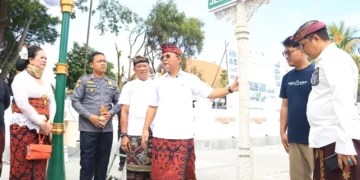
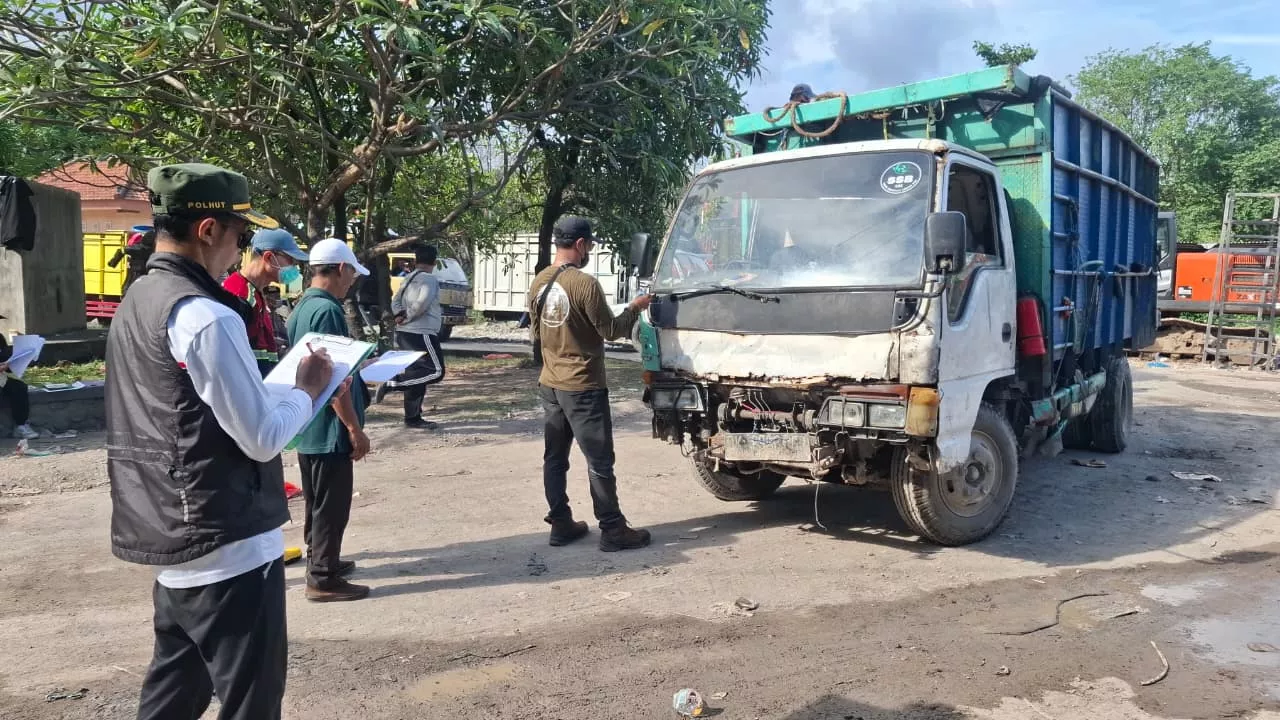
During a visit to Bali on Tuesday, Environment Minister Mohammad Jumhur Hidayat announced that 71 percent of residents are now separating household waste at the source before it enters the collection system, a figure that suggests a significant shift in public behavior on an island where waste management has become one of the defining challenges of modern tourism.
“Since reports emerged about waste problems in Bali, particularly in Badung and Denpasar, we have seen remarkable progress,” Jumhur said after inspecting waste management facilities in Denpasar and the Suwung landfill.
“The commitment is not only coming from government institutions at the city, regency and provincial levels, but also from the community. We have received reports showing that 71 percent of residents are now consciously separating their waste.”
For Bali, where tourism contributes heavily to the local economy and international reputation, the figure carries significance beyond environmental policy.
The island welcomes millions of visitors each year, many drawn by images of tropical beaches, lush landscapes and cultural heritage. Yet in recent years, growing volumes of plastic waste, overflowing landfills and pollution concerns have increasingly threatened that image.
Officials argue that source-based waste separation is one of the most important steps toward addressing the problem.
Without it, recyclable materials and organic waste are buried together, reducing recovery rates and increasing pressure on already strained disposal facilities.
Still, nearly three in ten residents have yet to adopt the practice.
Jumhur acknowledged that changing waste habits across an entire population cannot happen overnight.
“Behavioral change takes time,” he said, noting that public awareness campaigns and community participation remain essential if Bali hopes to reduce its dependence on landfill disposal.
Protecting Livelihoods in the Waste Economy
Beyond household recycling, the minister also delivered a strong message regarding Bali’s network of community-run waste collection and recycling operations.
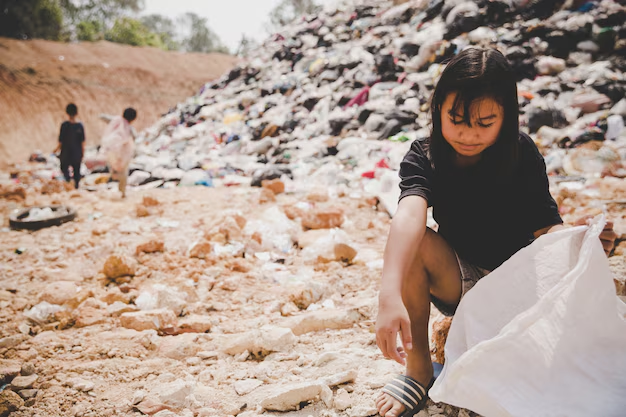
Across the island, thousands of people earn a living through small-scale waste management initiatives, many of which operate independently from government systems.
Jumhur said those operations should be strengthened rather than replaced.
“I do not agree with stopping self-managed waste systems that are already working,” he said. “We cannot take away people’s livelihoods.”
Instead, the government intends to support what it describes as “green jobs” — employment linked to environmental protection, recycling and sustainable resource management.
“The role of government is to serve and guide,” Jumhur said. “It is not to profit from domestic waste management.”
The policy aligns with President Prabowo Subianto’s environmental vision known as ASRI, an Indonesian acronym for Safe, Healthy, Clean and Beautiful. Under that framework, officials aim to reduce both plastic and organic waste through recycling, composting and energy recovery programs, with the long-term goal of minimizing landfill dependency.
From Waste to Fuel
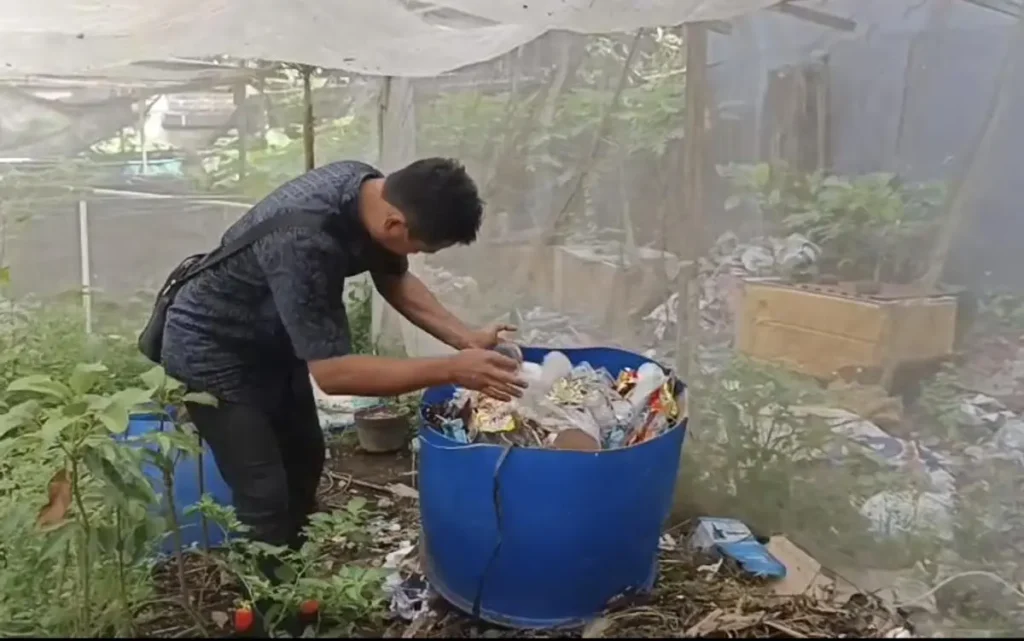
At the TPST Tahura I processing facility in Denpasar, officials demonstrated how the system is expected to function once waste has been sorted.
Organic materials are shredded before being transported to Klungkung, where they will be processed into high-calorie compost products designed to reduce reliance on coal-based alternatives. Full-scale operations are expected to begin in August.
Meanwhile, non-organic materials will be converted into Refuse Derived Fuel (RDF), a processed fuel used in industrial energy systems.
To improve efficiency, the Environment Ministry has urged local governments in Denpasar and Badung to allocate funding for standardized waste transport vehicles. According to officials, privately operated collection fleets currently outnumber government-owned trucks by roughly three to one.
The ministry has also encouraged local administrations to provide financial support to community-based waste operators that may struggle to remain viable.
Officials argue that maintaining those networks is essential not only for employment, but also for Bali’s broader ambition of becoming a cleaner and more sustainable tourism destination.
A Test of Bali’s Future
The announcement does not mean Bali’s waste crisis has been solved.
Landfill pressure remains intense. Infrastructure gaps persist. And tens of thousands of tons of waste continue to move through the island’s collection system each month.
Yet the reported rise in household waste separation offers something that environmental debates in Bali have often lacked: measurable evidence of behavioral change.
For years, the island’s waste crisis has been visible to the world through photographs of polluted rivers and debris-covered beaches.
The next chapter may depend on whether that growing public awareness can be matched by infrastructure, investment and political commitment.
For an island whose economy depends heavily on its environmental appeal, the stakes extend far beyond waste management itself.
They touch the future of Bali’s tourism industry, its communities and the landscapes that have made it one of the world’s most recognized destinations.