























In a rare admission of systemic failure, East Nusa Tenggara’s governor calls a child’s death a ‘hard slap to our humanity’ and pledges to overhaul social safeguards.
KUPANG, Indonesia — In the wake of an unthinkable tragedy that has gripped the nation, the highest official of East Nusa Tenggara (NTT) province has offered a response notable for its bluntness and self-reproach. Governor Emanuel Melkiades Laka Lena did not deflect or offer bureaucratic platitudes. Instead, he framed the suicide of a 10-year-old boy in Ngada as a profound institutional failure, stating plainly: “We failed to detect and find a solution for this child.”
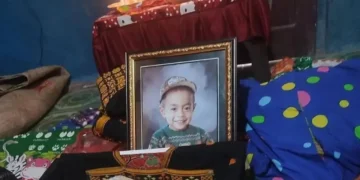
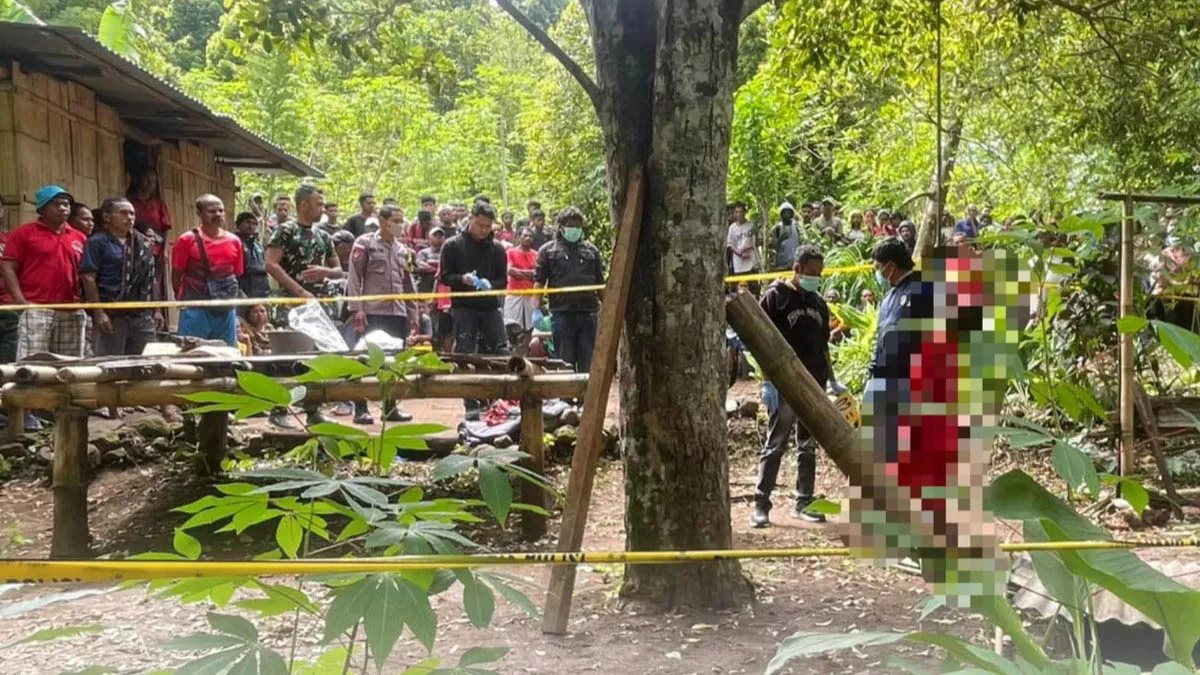
The boy, known by his initials YBS, was found dead last week after his mother could not afford the notebook and pen he needed for school—a request that laid bare the family’s desperate poverty. While the nation mourned, Governor Laka Lena’s subsequent statements have shifted the discourse from one of isolated tragedy to one of systemic accountability.
“A Hard Slap to Our Humanity”: An Uncommon Admission
“This is a hard slap to our humanity,” the Governor stated, addressing the media on Wednesday. “It is a hard slap for all that we have worked on, that it turns out we have not yet succeeded in ensuring no life is lost in vain due to conditions like this.”
His language was strikingly personal and collective. By using “we,” Governor Laka Lena implicated the entire chain of governance, from the provincial system down to the village level. “Whatever the story, this is a failure of the system that exists in the provincial government, Ngada Regency, down to the lower levels,” he confessed. This rare public acknowledgment from a sitting governor that the social safety net had utterly failed to catch a falling child adds a new, somber chapter to the story.

From Grief to Governance: Promises of a New System
Beyond introspection, the Governor outlined a path forward, signaling that the boy’s death must catalyze concrete change. He pledged to immediately convene all regents and mayors across NTT to address the gaps the tragedy revealed. His proposed solutions focus on building a more responsive social architecture.
Key among them is the creation of a “new social system” to bolster existing safeguards, ensuring such cases are “detected at the first opportunity and can be helped immediately.” He also pointed to existing programs, like the province’s “livable home” initiative for low-income families, suggesting they need strengthening and expansion. Furthermore, he has instructed local officials to provide all necessary support to the grieving family.
A Reflection for Bali: The Universality of Vulnerability
While the tragedy is deeply rooted in the specific socio-economic realities of NTT, Governor Laka Lena’s candid “failure” resonates far beyond the province’s borders, including in Bali. The Island of the Gods, for all its prosperity and global appeal, is not a monolith of wealth. It has its own hidden pockets of severe poverty, fractured families, and children whose struggles remain invisible to the mainstream tourism economy.
The Governor’s admission is a stark reminder that social welfare systems are only as strong as their weakest link and their commitment to proactive detection. For Bali’s policymakers and community leaders, it prompts difficult questions: How well do local systems monitor the well-being of children in marginalized families, including those of migrant workers or in underdeveloped banjar? Is support reactive, arriving only after a crisis becomes public, or is it woven into the fabric of community care?
The death of a child over a notebook is an unbearable loss. Governor Laka Lena’s response transforms it from a statistic into a mandate. His confession of failure, while painful, sets a necessary precedent for accountability. The true test, for NTT and for every region watching, will be whether this “hard slap” results in the building of a system gentle and strong enough to prevent the next child from falling through the cracks.
#heybalinews