
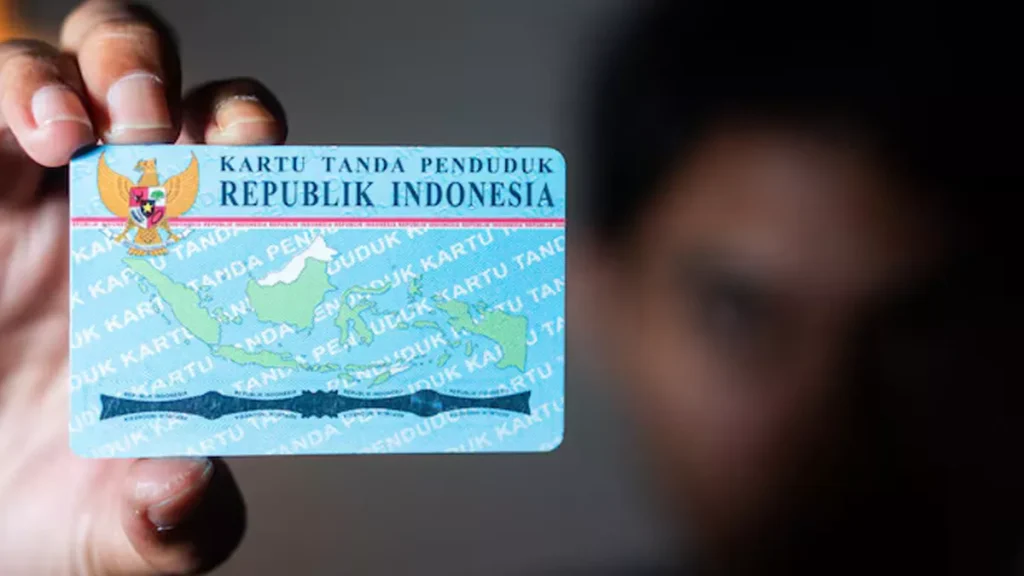
The distinctive orange identity card, available only to holders of a Permanent Stay Permit, offers key administrative benefits but comes with specific eligibility rules and clear limitations.
DENPASAR, Bali — For foreign nationals establishing long-term residency in Indonesia, navigating the country’s civil registration system is a crucial step. A central component is obtaining the Kartu Tanda Penduduk for Warga Negara Asing (KTP WNA), an official identity card with specific requirements, a distinct appearance, and important practical uses.
1. The Fundamental Requirement: A Permanent Stay Permit (KITAP)
Eligibility for the electronic KTP (KTP-el) is exclusive to foreign nationals who hold a Kartu Izin Tinggal Tetap (KITAP), or Permanent Stay Permit. This means the card is not available to tourists, short-term visitors, or temporary workers. Applicants must be at least 17 years old or married, and their residency must be formally registered in a local Family Card (Kartu Keluarga) at their Badung address.
Required supporting documents include the original physical KITAP card issued by Immigration and a valid passport.
2. Clear Visual and Functional Differences
The foreign resident’s KTP is designed for immediate visual distinction. It is printed on orange cardstock, contrasting with the blue card issued to Indonesian citizens (WNI).
Its validity period is not lifelong; instead, it is tied to the expiry date of the holder’s underlying KITAP. Key information fields—such as gender, religion, and occupation—are printed in English. The card also clearly states the holder’s nationality (e.g., Australia, United Kingdom).
3. Practical Benefits and Inherent Limitations
Possession of the KTP WNA facilitates several aspects of daily life and official administration in Indonesia. It eases processes in banking, enrollment in the national health insurance scheme (BPJS), and applying for a driver’s license (SIM).
However, it does not confer political rights. Foreigners are expressly not entitled to vote or be elected in any Indonesian political election, regardless of their residential status.
It is important to note that foreign nationals on a Limited Stay Permit (KITAS) are not eligible for the KTP. Instead, they receive a Surat Keterangan Tempat Tinggal (SKTT) or Certificate of Domicile, which is valid for six months and must be renewed.
For the international community in Bali, understanding this distinction is key to ensuring correct legal status and accessing the appropriate services during their stay.
Hey Bali News provides this informational guide to help the international community navigate Indonesian administrative procedures correctly and efficiently.