



































BADUNG, Bali — For the millions of tourists who visit Bali each year, Nyepi, the island’s Day of Silence, is often described as one of the world’s most unusual holidays. Airports close. Streets empty. Lights are dimmed. For 24 hours, the island comes to a standstill.
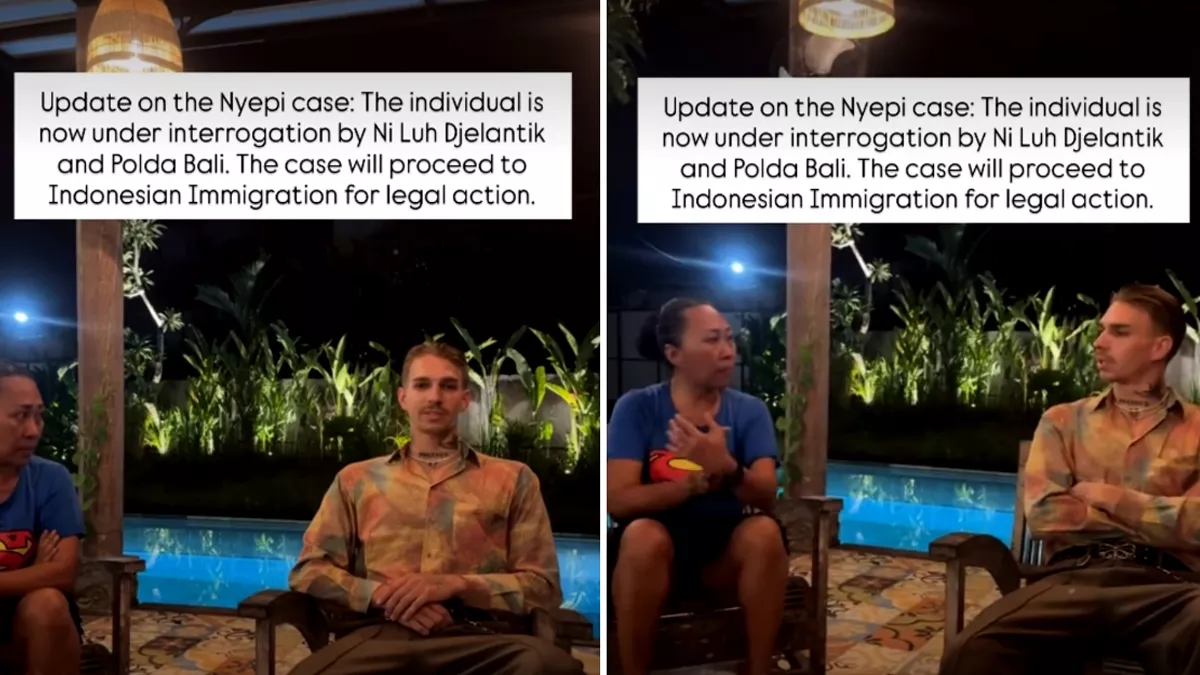
For most visitors, it is a curiosity—or, for some, an inconvenience. For one Swiss traveler, it has become a criminal case.
Luzian Andrin Zgraggen, a Swiss national, has been named a suspect by Bali police for allegedly insulting the Nyepi holiday through social media posts. The case, which escalated from a viral Instagram story to a formal criminal investigation, highlights how Bali’s sacred traditions are protected under Indonesian law—and the serious consequences visitors can face when they cross the line.
The Post That Sparked the Investigation
On his Instagram account, @luzzysun, Zgraggen posted a message acknowledging the restrictions of Nyepi before adding a profane remark directed at the holiday and its rules. Screenshots of the post quickly spread across Indonesian social media, triggering widespread criticism.
Bali Police’s cyber patrol unit flagged the content and initiated an investigation. According to Bali Police spokesperson Kombes Ariasandy, investigators identified the account holder and tracked his movements from Kuta to Ubud before detaining him.
“From the cyber patrol results, we found a post containing elements of insult toward Nyepi,” Ariasandy told detik bali. “Profiling was conducted until the account owner’s identity was discovered.”
The Legal Charges: Hate Speech and Insult
Zgraggen faces charges under two articles of Indonesia’s 2023 Criminal Code.
The primary charge is Article 301 Paragraph (1) , which addresses the dissemination of content containing insults through electronic media. Investigators determined that the post met the legal threshold for this offense.
He is also charged under Article 300 Letter (b) , which covers hate speech or hostility toward groups based on religion or belief. According to police, the post was deemed to contain elements of incitement or hostility against a religious group.
The dual charges reflect how Indonesian law treats offenses against religion seriously—and how online posts can carry consequences that extend far beyond social media.
From Social Media to Detention
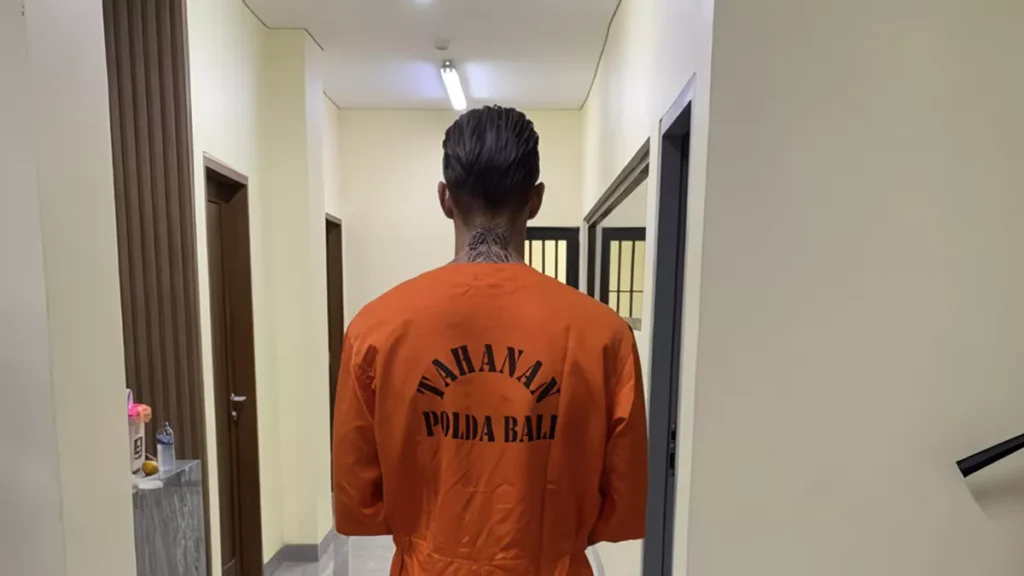
After identifying Zgraggen, police tracked his movements and eventually detained him. He was taken into custody and is now being held at the Bali Police detention facility.
Authorities have seized an iPhone 16 and his social media accounts as evidence. The investigation was escalated to a formal criminal case after a case review conducted on Saturday.
Ariasandy confirmed that the suspect’s status was upgraded following the review, leading to his formal arrest and detention.
What the Law Says
Indonesia’s legal framework places a strong emphasis on religious harmony. Nyepi, as a nationally recognized religious observance, falls within that protection.
The law does not only apply to direct insults toward religious teachings, but can also extend to expressions targeting religious practices and observances. In this case, prosecutors are not just charging the suspect with insult—they are applying hate speech provisions that carry significant legal weight.
For foreign visitors, this creates a different legal context from what they may be accustomed to elsewhere. Content shared online—particularly when it touches on religion—can carry criminal consequences in Indonesia, even if the same post might be considered protected speech in other countries.
A Broader Reminder for Visitors
Bali remains one of the world’s most open and welcoming destinations. Its economy is deeply tied to international tourism. But the island’s identity is not solely commercial—it is rooted in living traditions that continue to shape daily life.
For expatriates, long-term residents, and tourists, Nyepi is not an optional cultural experience. It is a legally recognized observance, and violations—whether physical or digital—can lead to legal action.
Cases involving foreign nationals and cultural or religious disrespect are not unprecedented. Past incidents have led to deportation, public backlash, and, in some cases, criminal proceedings. Each case reinforces the same message: in Bali, cultural respect is not just etiquette—it is law.
What Comes Next
The investigation is ongoing, and authorities have not announced a timeline for prosecution. If convicted under the hate speech provisions, the suspect could face significant penalties under Indonesia’s Criminal Code.
The case will likely test how Indonesia’s updated legal framework for digital conduct is applied in cases involving foreign nationals. It also serves as a reminder that the country’s laws on religious harmony apply equally to citizens and visitors alike.
For Bali’s international community, the case is a reminder that the island’s traditions are not staged for tourists. They are part of an active cultural system—one that is both respected and enforced.















Comments 1