

KUTA, Bali — In Bali, tourism rarely stands still.
For decades, travelers have chased the island’s next great destination. Kuta gave way to Seminyak. Seminyak gave way to Canggu. Today, the conversation is already shifting toward Pererenan, Seseh, and even the quieter coastlines of Tabanan.
Every new hotspot arrives with the same promise: fewer crowds, greater authenticity, and the feeling of discovering Bali before everyone else does.
The result is a narrative that has become increasingly common among travelers, expatriates, and even parts of the tourism industry itself. Kuta, once the undisputed heart of Bali tourism, is often spoken about as if its most important years are behind it.
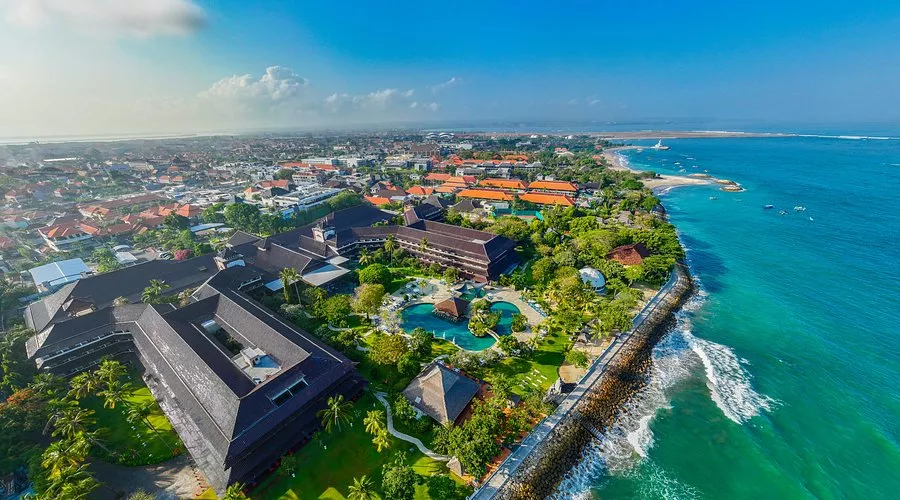
Yet on a stretch of beachfront land overlooking Kuta Beach, one of Bali’s longest-running hospitality institutions is making a different argument.
This year, Discovery Kartika Plaza Hotel celebrates its 36th anniversary, while Discovery Mall Bali marks 22 years. Together, the two landmarks are launching a months-long initiative under the theme “Kuta Kita” — Our Kuta — a campaign that seeks to reconnect visitors, local communities, businesses, and residents with one of Bali’s most historic tourism districts.
For international travelers, it may sound like a simple anniversary celebration.
In reality, it represents something larger: an attempt to redefine what Kuta means in modern Bali.
For much of Bali’s tourism history, Kuta was where the island introduced itself to the world. Long before beach clubs dominated social media and before digital nomads transformed villages into global hubs, Kuta served as Bali’s gateway. It was where first-time visitors arrived, where surfers built communities, and where generations of travelers created memories that would bring them back year after year.
But tourism evolves.
As newer destinations emerged across the island, Kuta faced a challenge familiar to mature tourism destinations everywhere: how do you remain relevant when novelty moves elsewhere?
Discovery’s answer appears to be surprisingly simple.
Do not compete to be the newest destination.
Become the most complete one.
More Than a Hotel, A Tourism Ecosystem

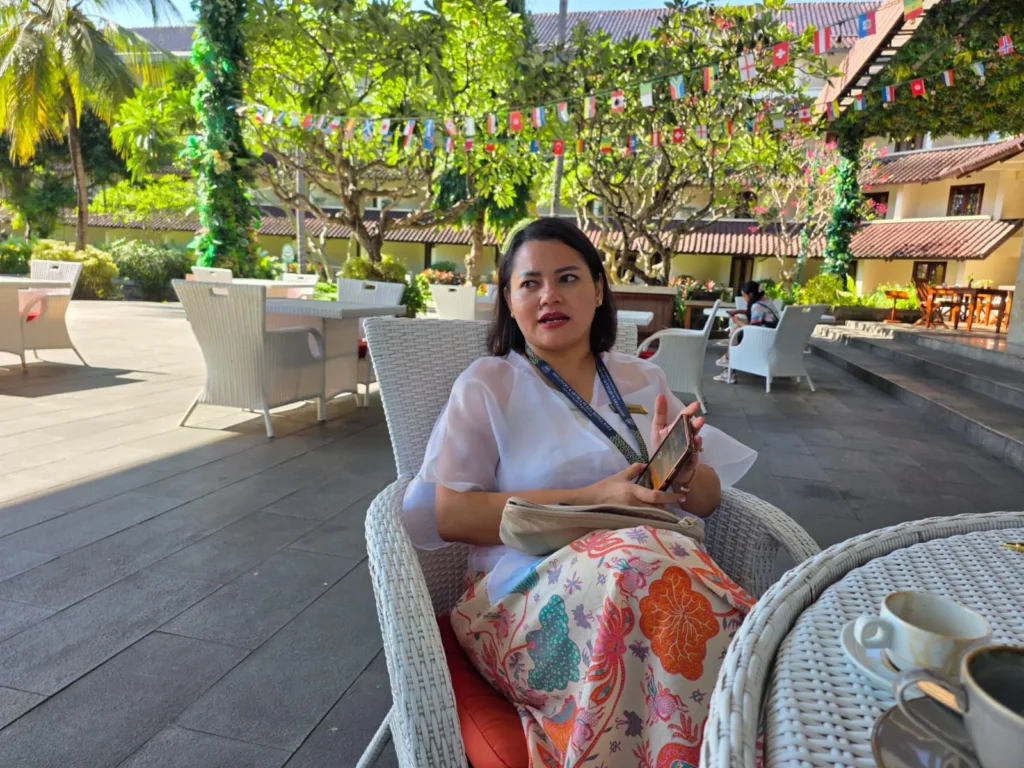
That philosophy is perhaps best reflected in how Discovery now describes itself.
“We want to create an integrated destination that combines accommodation, recreation, culinary experiences, and community activities in one beachfront area connected directly to Kuta Beach,” said Riska Wandira, Director of Marketing & Communications at Discovery Kartika Plaza Hotel, during a media briefing ahead of the anniversary celebrations.
The strategy reflects a broader shift taking place throughout global tourism. Travelers increasingly seek experiences rather than simply places to sleep. Hotels are being challenged to become ecosystems where culture, wellness, entertainment, gastronomy, and community engagement intersect.
Discovery believes Kuta is uniquely positioned to deliver exactly that.
Over the coming months, the anniversary program will include cultural performances, music events, wellness initiatives, community activities, environmental campaigns, and collaborations designed to encourage both visitors and residents to engage with Kuta in new ways.
Rather than positioning itself solely as a hotel, Discovery is attempting to function as a destination within a destination.
It is an ambitious approach, but one that reflects changing traveler behavior. Increasingly, visitors want more than accommodation. They want experiences that connect them to the place they are visiting.
Wellness, Community, and the Future Traveler
One of the clearest examples of this shift can be seen in Discovery’s growing emphasis on wellness programming.
Yoga sessions, community wellness events, spa experiences, fitness activities, and large-scale themed wellness gatherings are becoming increasingly important parts of the property’s identity.
The trend mirrors a wider transformation across Bali’s tourism sector. Wellness is no longer a niche market. It has become one of the island’s defining tourism segments, attracting everyone from short-term holidaymakers to long-term expatriates seeking healthier lifestyles.
For Discovery, the challenge is integrating those experiences into a destination long associated with traditional beachfront tourism.
The result is an effort to broaden Kuta’s appeal beyond the image many international visitors still carry from previous decades.
Supporting Local Businesses

One of the lesser-known aspects of Discovery’s transformation involves its support for local entrepreneurs.
According to Wandira, the property provides dedicated space for local micro-businesses to operate inside the complex, allowing them to showcase products ranging from handicrafts and souvenirs to food, beverages, and creative services.
“We are not doing this purely for profit,” she said. “We want to provide opportunities for local businesses to grow and become part of the visitor experience.”
Visitors strolling through the property may not realize that some of the vendors operating there are local entrepreneurs who have been given access to one of Bali’s most valuable tourism locations without the financial barriers typically associated with premium commercial space.
In an era when many tourism destinations struggle to balance international investment with local participation, the initiative offers a different model—one where small businesses remain visible and connected to the tourism economy.
It also reflects a larger conversation taking place across Bali.
As tourism grows, questions increasingly focus not only on visitor numbers, but on who benefits from that growth and how local communities remain active participants in the industry’s future.
A Greener Anniversary
Environmental responsibility is also expected to play a central role throughout the anniversary celebrations.
Planned activities include regular beach clean-ups, neighborhood clean-up programs, coral adoption initiatives in Nusa Lembongan, and partnerships with charitable foundations focused on community welfare and environmental awareness.
The decision reflects growing recognition throughout Bali that tourism’s long-term success depends not only on attracting visitors, but on protecting the natural and cultural assets that attract them in the first place.
For a property that sits directly on one of Bali’s most famous beaches, that responsibility carries particular significance.
A Relationship Measured in Generations
Perhaps the strongest evidence of Discovery’s place in Bali’s tourism story comes not from occupancy rates or visitor numbers, but from the guests themselves.
Wandira says the hotel continues to welcome travelers who first stayed at the property decades ago.
“Some guests first came here when they were young couples,” she recalled. “Today, they return with their children and even grandchildren.”
Few hotels in Bali can claim relationships measured not in years, but in generations.
And perhaps that is the deeper meaning behind this year’s anniversary theme.
Not simply celebrating a hotel.
But celebrating a shared journey between Kuta, Bali, and the people who have returned again and again to be part of its story.
In an island often obsessed with what is new, Discovery Kartika Plaza is making a different argument. That longevity still matters. That community still matters. And that Kuta, despite the rise of newer tourism hotspots across Bali, still has a meaningful role to play in the island’s future.
Thirty-six years after opening its doors, the hotel is not simply marking another anniversary.
It is reminding Bali why Kuta became important in the first place.