






















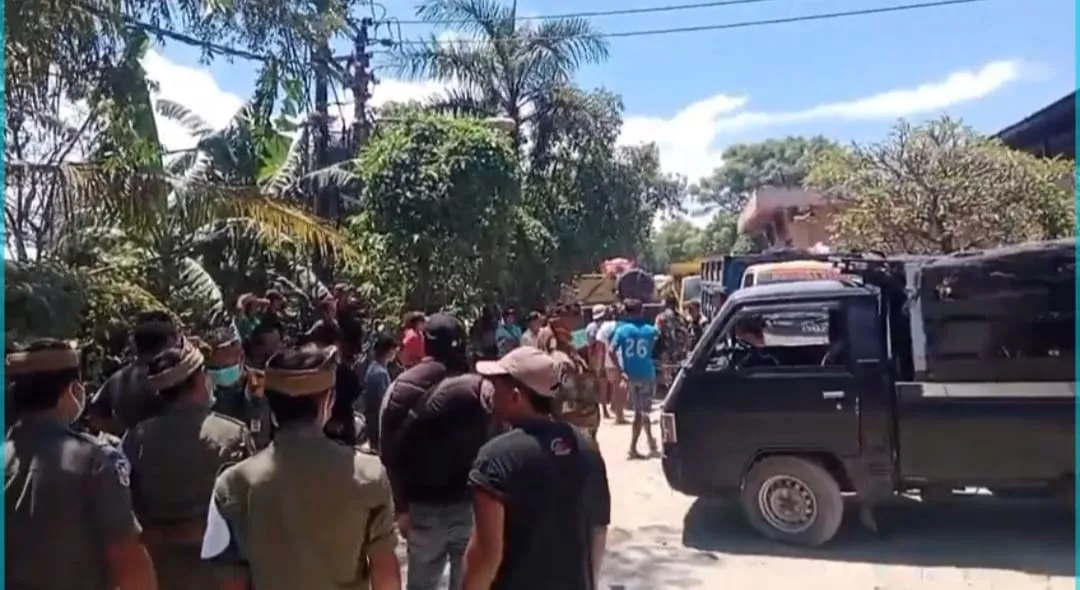
DENPASAR, Bali — The tension had been building for days. On Thursday morning, it broke.
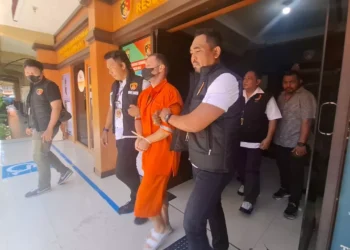
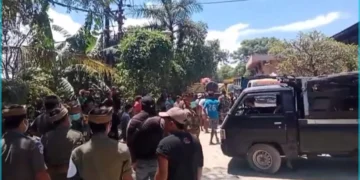
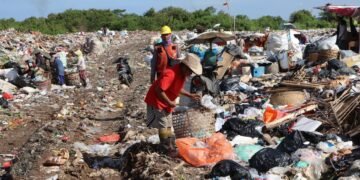
At Bali’s main landfill in Suwung, what should have been a routine waste drop-off turned into a standoff. Truck drivers, blocked from entering because they lacked newly required verification stickers, began throwing stones at officers guarding the site.
The confrontation was brief. The problem behind it is not.
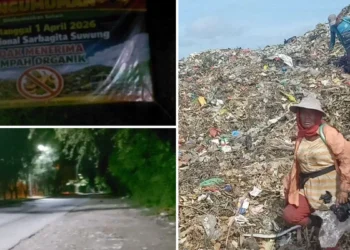
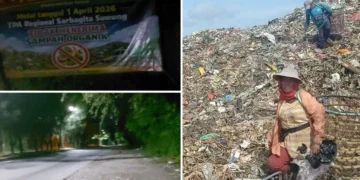
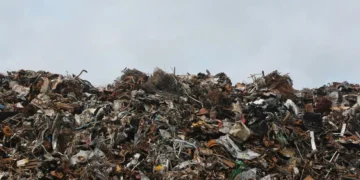
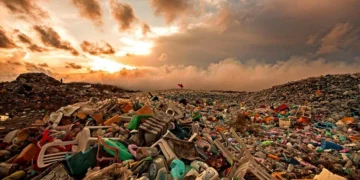
At the center of the disruption is a sweeping policy that took effect on April 1: Suwung landfill will no longer accept organic waste. Only inorganic and residual waste—materials that cannot be recycled—are now permitted.
For policymakers, it marks a long-awaited shift toward reducing landfill emissions. For the men arriving at the gate that morning, it meant something far simpler: they had nowhere to take the garbage already rotting in their trucks.
A Ban Without a Buffer
By the time the trucks reached Suwung, many had been loaded for days.
Inside were piles of household waste—organic matter already decomposing, some infested with maggots. Under the new rules, none of it could be dumped.
Drivers were told to turn back.
They refused.
Instead, they occupied the landfill entrance, threatening to block access entirely or dump their loads along public roads if no solution was offered. The message was not political. It was operational.
You cannot reverse a truck full of decaying waste into a system that does not exist.
The Sticker That Decides Access
Under the new policy, access to Suwung is now controlled through a verification system. Trucks that comply with waste separation rules receive a sticker—placed on the front windshield—allowing them to deposit inorganic waste.
Those without it are denied entry.
On paper, the system is straightforward. In practice, it has split the waste network in two.
A limited number of government-operated and pre-verified private trucks were allowed in on Thursday. Their unloading process continued without disruption.
The rest—particularly independent and smaller operators—were left outside the gate, carrying waste that no longer had a destination.
Police Step In to Contain Escalation
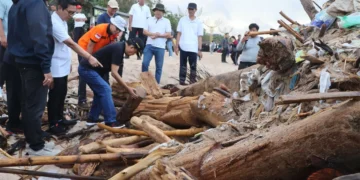
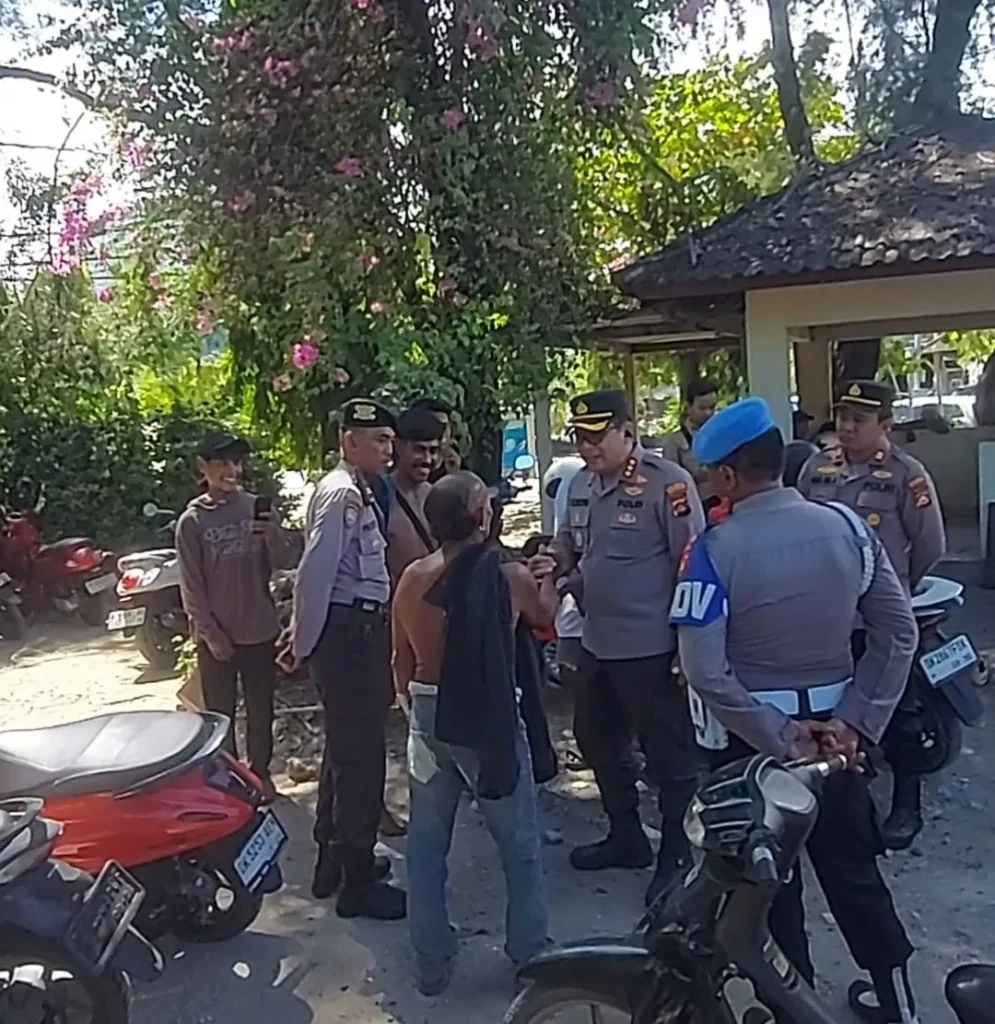
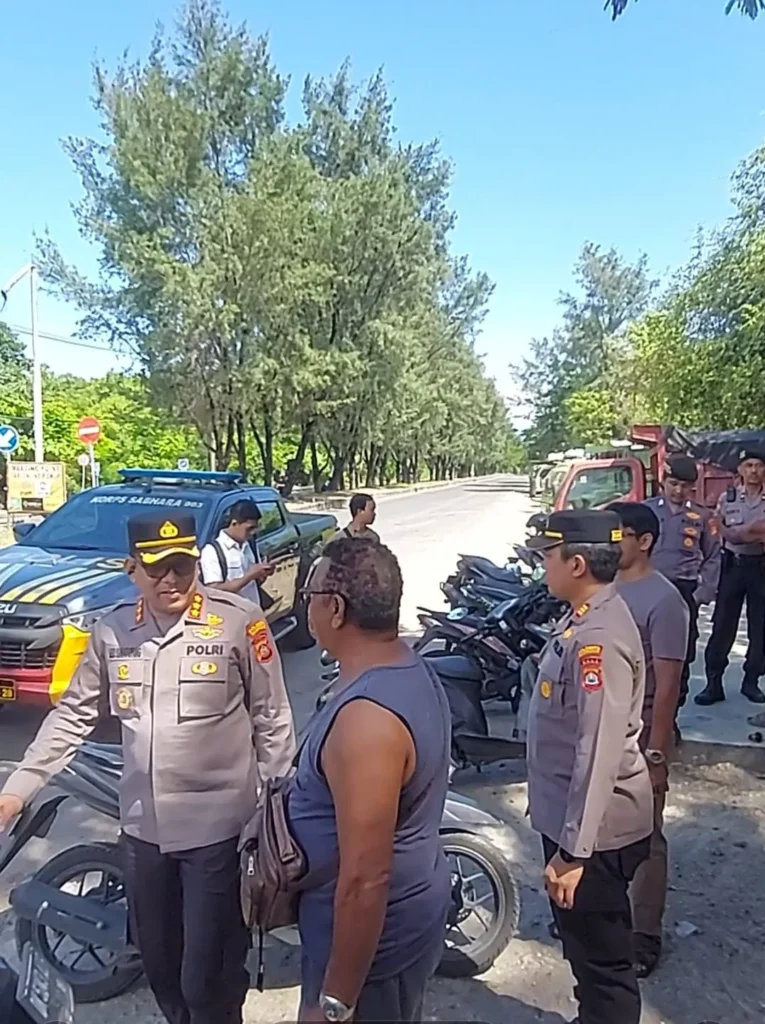
As tensions rose, Denpasar Police Chief Kombes Pol Leonardo D. Simatupang arrived at the landfill to stabilize the situation.
Officers from South Denpasar Police were deployed around the site to prevent further clashes and maintain access.
“To anticipate potential security disturbances, personnel have been stationed around the Suwung area,” he said.
No injuries were reported. But the presence of police underscored a shift: what began as a policy rollout had become a public order issue.
A System Under Pressure
Officials say the policy is part of a broader effort to reform Bali’s waste management—long criticized for overreliance on landfills and poor sorting practices.
But Thursday’s incident exposed a more immediate reality.
The infrastructure required to support the ban—collection systems for organic waste, composting facilities, and clear diversion pathways—remains incomplete.
The result is a bottleneck.
Waste continues to be produced at the same volume. But one of its primary destinations has effectively been removed overnight.
The Risk Beyond the Landfill
For Bali, this is not a contained disruption.
If unresolved, the consequences extend beyond Suwung:
- Waste may begin accumulating in residential areas
- Illegal dumping could increase along roadsides and waterways
- Public health risks—from odor to pests—could escalate quickly
For an island whose economy depends heavily on tourism, the margin for visible failure is thin.
Visitors may not notice policy changes. They will notice uncollected garbage.
Reform Meets Reality
The decision to restrict organic waste at Suwung is, in principle, aligned with global environmental standards. Organic waste in landfills produces methane, a potent greenhouse gas.
But policy alone does not process waste.
Without functioning alternatives, enforcement becomes friction. And friction, in a system that handles thousands of tons daily, escalates fast.
What unfolded at Suwung was not resistance to reform. It was the collision between regulation and readiness.