
























For decades, Bali sold the world an image of paradise.
Frangipani-lined temples. Rice terraces cut into volcanic hillsides. Beaches wrapped in ceremony and incense. An island where spirituality and nature appeared inseparable.
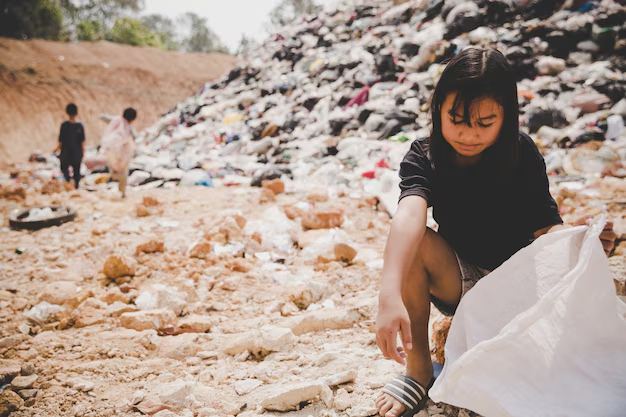
But beneath that carefully preserved image, another Bali has been growing quietly and relentlessly: a modern urban island producing thousands of tons of waste every single day.
Now, with the planned closure of TPA Suwung on August 1, 2026, Bali is approaching what environmental planners increasingly describe as a decisive moment. Not simply a sanitation challenge, but a stress test of whether one of the world’s most tourism-dependent islands can modernize fast enough to prevent its waste crisis from overwhelming its future.
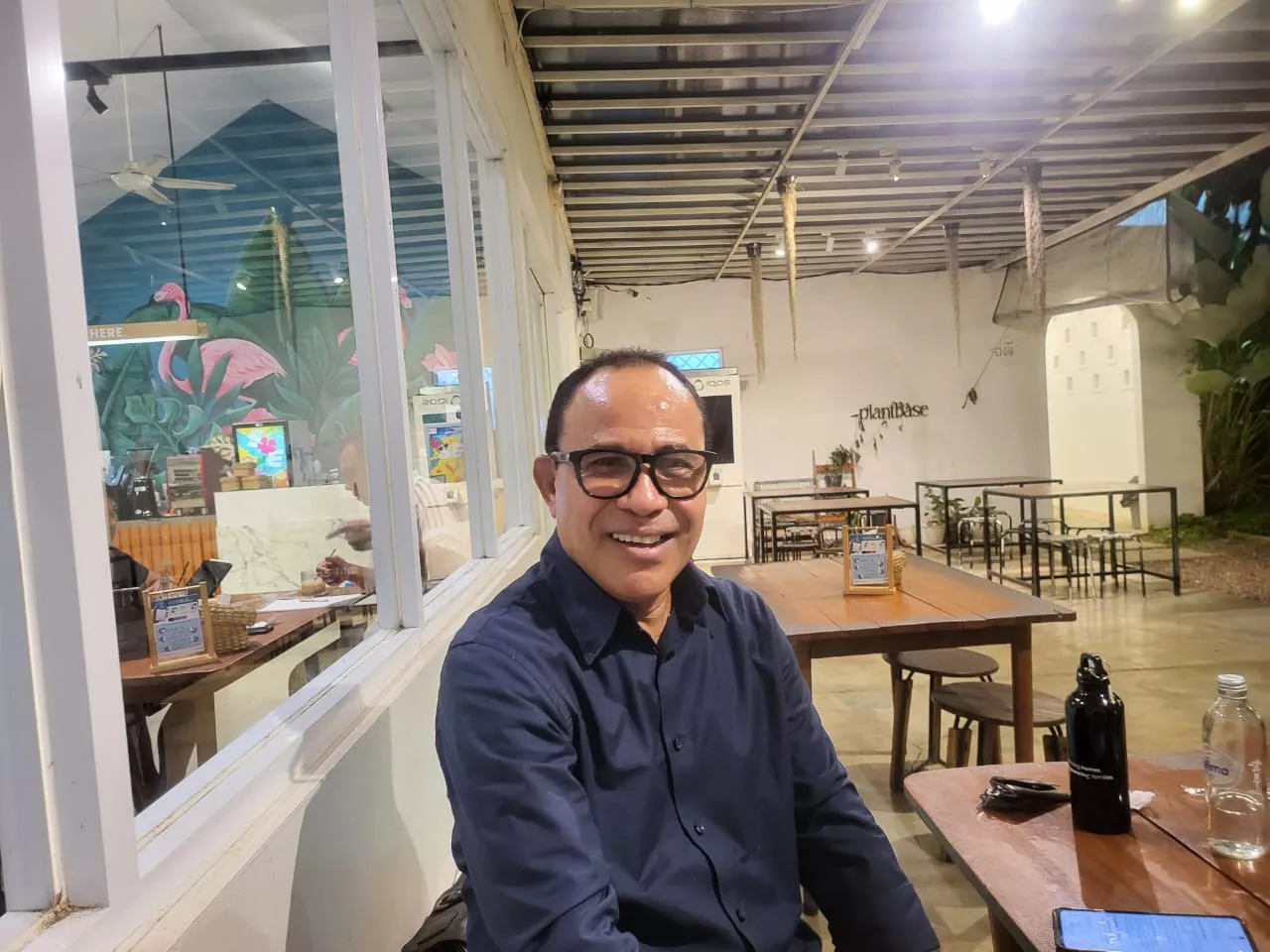
In an extended interview with Hey Bali, Dr. Agus Dei Segu, senior advisor to Bali Governor Wayan Koster and a member of the island’s PSBS PADAS (Pengelolaan Sampah Berbasis Sumber Palemahan Kedas) working team, delivered a warning that cut through years of political rhetoric.
Bali, he said, cannot wait for idealism to solve its garbage problem.
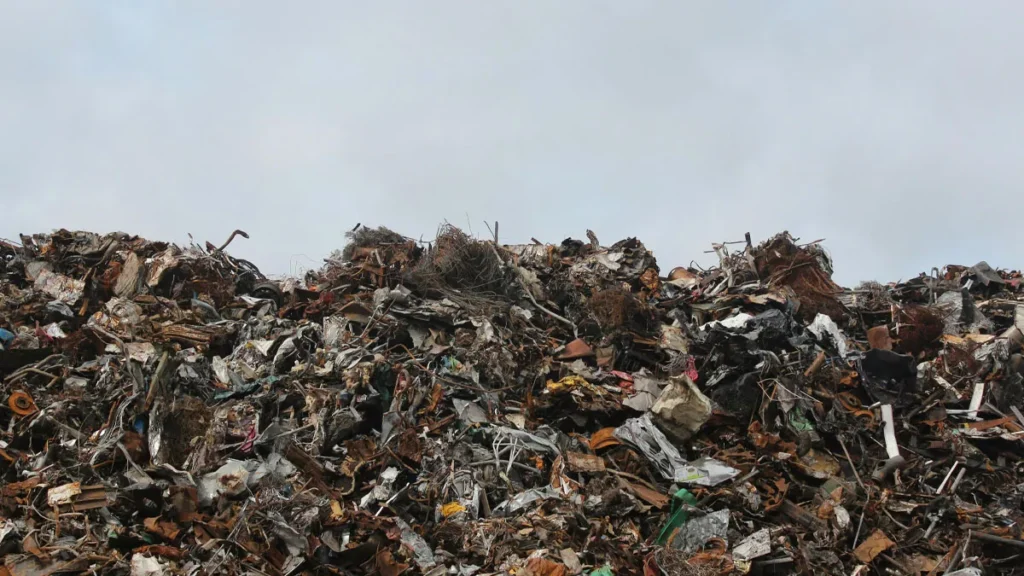
Every day, the island generates roughly 3,800 tons of waste. Nearly half comes from Denpasar and South Badung alone, the densely populated tourism corridor that powers Bali’s economy. About 60 percent of that waste is organic, food scraps, ceremonial offerings, market waste, restaurant leftovers, hotel refuse, material that decomposes rapidly under tropical heat.
“If today’s organic waste is not solved today,” Agus said, “tomorrow another 900 tons arrives.”
That arithmetic, more than any political speech, defines Bali’s urgency.
The island’s flagship Waste-to-Energy project, known locally as PSEL, is not expected to become fully operational until around mid-2028. Yet Suwung, the landfill that for years absorbed Bali’s mounting waste burden, is scheduled to close nearly two years earlier.
That leaves Bali facing a dangerous transition period with no margin for delay.
Agus argues the answer is neither romantic nor ideological. It is industrial.
His proposal centers on aggressively upgrading Bali’s network of TPS3R community waste facilities with high-capacity organic waste sorting and shredding machines capable of processing material at scale. Existing facilities, he says, are simply too small for the reality of modern Bali.
What makes his argument particularly striking is that it openly challenges a narrative long promoted across Indonesia: that waste can largely be solved through household sorting campaigns and community awareness.
According to Agus, that model no longer reflects life in Bali’s urban south.
Denpasar and South Badung, he said, now function more like Jakarta than traditional village Bali. Residents work long hours. Housing density continues to rise. Tourism workers often leave home before sunrise and return late at night. Many families no longer have the land, time, or infrastructure to independently process organic waste themselves.
In other words, Bali’s waste crisis is no longer only environmental. It is demographic, economic, and urban.
Yet Agus insists the machinery strategy carries another overlooked advantage: compost.
Under the proposed system, organic waste processed through upgraded TPS3R facilities would generate massive quantities of compost each day, potentially creating an entirely new downstream agricultural supply chain for Bali. Provincial authorities, he said, are prepared to absorb or purchase up to 500 tons of compost daily to support farming and land restoration programs across the island.
The implication is significant. Bali is no longer discussing waste merely as something to dispose of, but as a resource capable of re-entering the economy. In policy terms, it is a shift toward circular infrastructure rather than emergency cleanup.
At the same time, Agus dismissed renewed calls for widespread incinerator use, arguing that Bali’s dominant waste stream remains organic rather than combustible plastic residue. Burning mixed waste without advanced emissions systems, he warned, risks creating a second environmental disaster disguised as a solution.
For international visitors, the stakes extend beyond local politics.
Tourism remains Bali’s economic bloodstream. Cleanliness is not cosmetic here. It is directly tied to public health, environmental credibility, investor confidence, and the island’s global reputation.
And increasingly, travelers notice.
The viral images of rivers clogged with plastic, illegal dumping sites, and beaches buried after monsoon storms have begun puncturing the fantasy Bali spent decades building.
What emerges now is a sobering reality: Bali’s next chapter may depend less on branding campaigns about sustainability and more on whether the island can rapidly build the hard infrastructure required to manage modern urban waste before the system collapses under its own weight.
Paradise, after all, still produces garbage.