

































Written by Prof. Dr. Werdhi Sutisari, SH., M.H., PhD, Dean of the Faculty of Philosophy Asean University International
The “Bonnie Blue” case exposed a critical tension in Indonesia’s legal system: the clash between public morality, national sovereignty, and individual due process. This was not merely a legal proceeding; it was a stress test for how a nation with a unique philosophical foundation—Pancasila—navigates modern, high-profile dilemmas.
Instead of viewing it as a crisis, it should be seen as a catalyst. It’s time to move beyond reactive headlines and design a systematic, principled response. The blueprint lies in translating Pancasila from abstract state philosophy into a concrete operational framework for law enforcement.
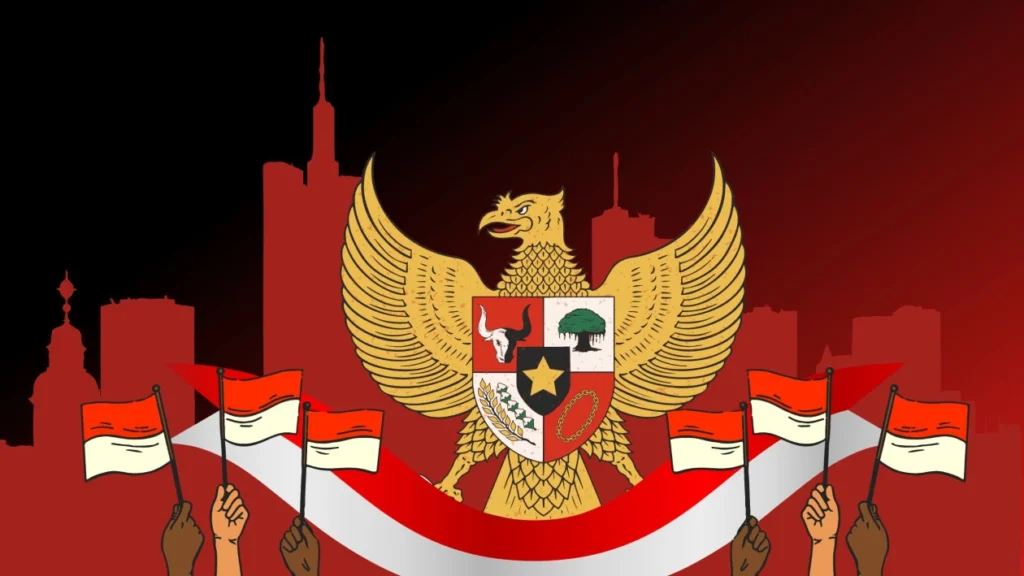
The Foundation: Pancasila as a Guiding Framework
Pancasila establishes Indonesia’s unique position, occupying a middle ground between a purely secular state and a theocracy. Here, morality guides the law’s purpose, and the law provides the fair and measurable procedure. The confusion in cases like Bonnie Blue arises when these two spheres are blurred—when moral outrage dictates legal procedure, or when legal technicalities completely ignore societal values.
A Pancasila-Based Protocol: A 5-Point Action Plan
Here is how each principle of Pancasila can translate into a clear policy for handling sensitive cases involving foreign nationals.
| Pancasila Principle | Core Legal Mandate | “Do” vs. “Don’t” in Practice | Desired Outcome |
|---|---|---|---|
| 1. Belief in One God (Ketuhanan Yang Maha Esa) | The state upholds public morality with civility. | DO: Investigate potential violations of law and public order. DON’T: Threaten maximum criminal penalties (e.g., 10-year sentences) without conclusive evidence. | Law enforcement that respects dignity and due process. |
| 2. Just and Civilized Humanity (Kemanusiaan yang Adil dan Beradab) | Guarantee fair treatment for all, regardless of nationality. | DO: Apply proportional administrative sanctions (e.g., visa revocation, deportation). DON’T: Engage in or enable trial by media and public character assassination. | Justice that is fair, measured, and preserves human dignity. |
| 3. Unity of Indonesia (Persatuan Indonesia) | The state must be a unifier, not a divider. | DO: Designate a single, coordinated official spokesperson for cross-agency communication. DON’T: Allow conflicting statements from police, immigration, etc., that create public confusion and social division. | A single, factual state narrative that ensures public trust. |
| 4. Democracy Guided by Wisdom (Kerakyatan… Hikmat Kebijaksanaan) | Law must be driven by wisdom, not viral sentiment. | DO: Base decisions on professional legal assessment, resisting “moral panic.” DON’T: Let social media trends or public pressure dictate investigative priorities or charges. | Rational, credible legal processes insulated from populist pressure. |
| 5. Social Justice for All (Keadilan Sosial…) | Consistency is the soul of justice. | DO: Ensure the same legal standards are applied to foreigners and citizens alike for similar offenses. DON’T: Create a perception of harsher (or more lenient) treatment based on passport or fame. | A predictable, equitable legal system that commands respect. |
Building a System: From Principles to Concrete Policy
Translating these principles into action requires systemic reform, not just case-by-case reactions.
1. Implement Early & Clear Legal Classification (The “Triage” System).
Upon receiving a report, relevant agencies must immediately convene to classify the case: is it primarily a moral concern, an administrative violation (visa/permits), or a potential crime? A joint checklist must be completed before any public statements are made. This prevents wrongful charges and media trials from the outset.
2. Enforce a “One Voice” Communication Policy.
For high-profile cases, a single, official spokesperson must be appointed to coordinate all messaging across police, immigration, and related ministries. Public statements should only follow formal decisions or documentation. Speculative statements about potential penalties must be prohibited.
3. Adopt a Proportional, Escalating Sanctions Ladder.
Response should follow an escalating model: Warning → Restriction of Activities → Administrative Sanctions (fines, permit revocation) → Deportation → Criminal Prosecution (only as a last resort with strong evidence). This prevents over-criminalization and aligns with just outcomes.
4. Establish a “Firewall” Between Morality and Criminal Law.
Public morality should inform preventive policy (e.g., clearer guidelines for tourists). Criminal law must be triggered strictly by evidence and legal procedure. This allows the state to uphold values without violating due process.
5. Launch Proactive Governance for Foreign Nationals.
Introduce mandatory pre-arrival digital briefings that clearly outline local laws and social norms. This preventive approach, coupled with clear consequences for violations, is wise governance that stops major incidents before they start.
The Path to a Dignified Rule of Law
The Bonnie Blue case is a mirror. It reflected public anxiety but also revealed gaps in Indonesia’s legal response mechanism. The solution is not louder outrage or permissive indifference, but a strengthened system grounded in clear principles.
A Pancasila-based state doesn’t need to shout to assert its sovereignty. Its dignity is earned through calm professionalism, measured firmness, and consistent fairness. By adopting a systematic protocol like the one above, Indonesia can move beyond sensational scandals. It can build a resilient, respected, and just legal framework ready for the complexities of the global age—firmly rooted in its own unique identity.
About the Author
Prof. Dr. Werdhi Sutisari, SH., M.H., PhD is a professor of law whose work uniquely bridges legal rigor and humanistic philosophy. Known for his unconventional approach, he writes on complex subjects like legal ethics and AI, yet is equally recognized for his contemplative book, Philosophy of Love, which examines emotional vulnerability through an intellectual lens. Drawing from his diverse background in economics, IT, and theology, his analysis consistently challenges conventional frameworks, advocating for wisdom that understands human complexity beyond rigid statutes.