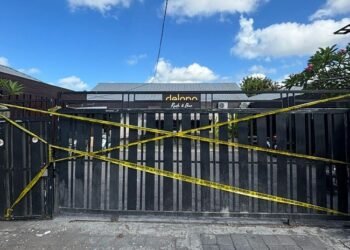


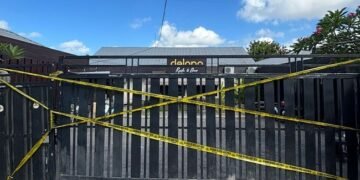

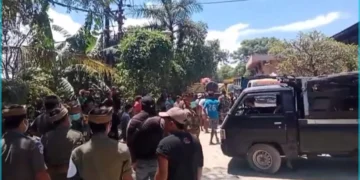
























Bonnie Blue Bali Case, Bali — Bali police have released a new update on the Bonnie Blue Bali case, a high-profile investigation involving 20 foreign nationals and 14 Indonesian crew members detained at a studio in Pererenan, Mengwi. The case, which quickly became a talking point among Bali’s expat and traveler community, centers on whether a group of content creators violated Indonesian law while filming what they described as a “reality-style entertainment project.
No Pornographic Content Found in Bonnie Blue Bali Case
Authorities confirmed that four foreigners — identified as T.E.B. (also known as “BB”), L.A.J., I.N.L., and J.J.T.W. — played central roles in producing content at the Pererenan studio. Initial evidence included cameras, contraceptives, and a pickup truck painted with “Bonnie Blue” and “Bang Bus,” fueling public speculation that the project involved explicit material.
But after interviewing 16 foreign witnesses and 14 Indonesian studio staff, investigators found no indication of pornographic content. Witnesses consistently stated the filming was planned as a “fun, staged reality show” meant to look exciting on social media — not an adult production.
Police also reviewed additional footage recorded at a hotel in Berawa. None contained explicit acts or elements that violated Indonesia’s anti-pornography regulations.
Legal experts consulted by investigators backed the assessment: without distribution or explicit content, the legal threshold for a pornography crime under Indonesian law was not met.

Shift in Focus: Possible Visa Misuse
While pornography charges are off the table, the Bonnie Blue Bali case has shifted toward a different issue: potential immigration violations.
Investigators found that the four main suspects had returned to Bali on November 6, 2025, using tourist visas and KITAS permits while participating in what authorities suspect was “commercial content production.” Under Indonesian immigration rules, filming or producing monetized content may be classified as work — and therefore prohibited under tourist or misused stay permits.
Immigration officials also flagged their purchase and use of the “Bonnie Blue / Bang Bus” pickup truck as possible evidence of commercial activity.
If confirmed, these violations could lead to deportation, blacklisting, or administrative penalties rather than criminal prosecution.
Bonnie Blue Bali Case Highlights Growing Scrutiny of Foreign Content Creators

The Bonnie Blue Bali case reflects a larger trend in 2025 as Indonesian authorities intensify oversight of foreigners working — or appearing to work — without proper documentation.
In recent months, crackdowns have targeted:
- foreign models and influencers shooting sponsored content on tourist visas
- freelancers offering paid services online while living in Bali
- digital nomads who monetize travel content filmed in Indonesia
- social media creators who use rented villas or studios for commercial filming
For travelers and expats, the takeaway is simple: even “casual” or “fun” video projects can be treated as commercial activity if the footage is intended for monetization or public distribution.
Police Stress Objectivity and Ongoing Cooperation With Immigration
Badung Police Chief AKBP M. Arif Batubara emphasized that the investigation is being handled professionally based on legal findings.
He noted that while the Bonnie Blue Bali case does not meet the threshold for pornography violations, immigration-related issues remain under review in coordination with the Badung Prosecutor’s Office and Immigration.
Reported by Ferry Fadly
Written by Hey Bali Newsroom