
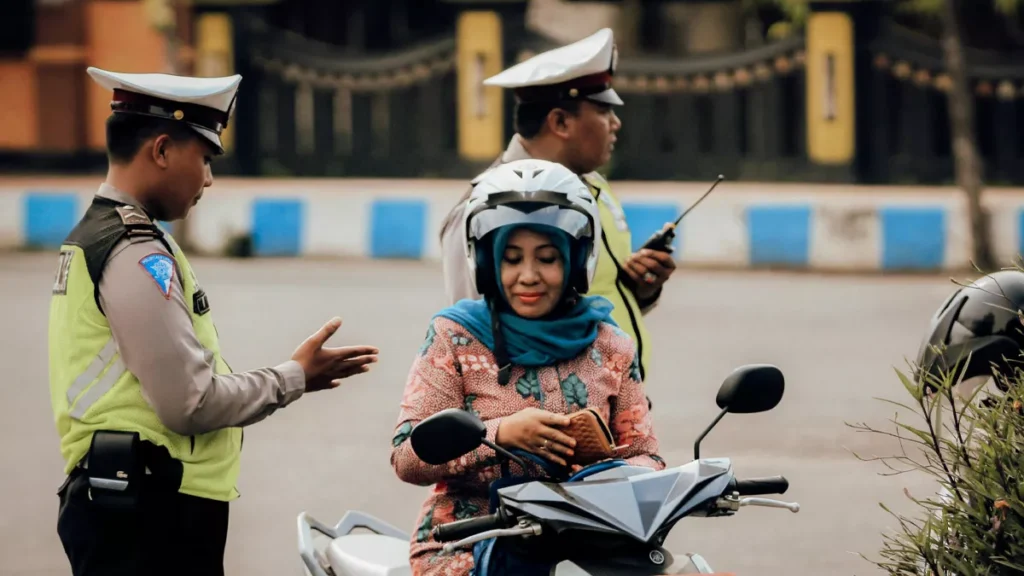
The two-week ‘Grand Safety Operation’ targets key routes in Badung, with a focus on electronic ticketing and direct appeals for helmet use and proper vehicle documentation.
BADUNG, Bali – Authorities in Bali are ramping up traffic enforcement for the next two weeks in a major push to secure roads ahead of the island’s dual high seasons: the serene Hindu Day of Silence (Nyepi) and the festive Eid al-Fitr (Lebaran) celebrations. For expatriates, long-term visitors, and tourists driving in Bali’s busiest southern regency, this signals a period of heightened police visibility and strict adherence to traffic laws.
The Operasi Keselamatan Agung 2026 (Grand Safety Operation 2026), launched by the Badung Police, will run through February 15. It strategically focuses on accident-prone zones and traffic bottlenecks, with particular attention on areas like Kerobokan that are currently undergoing road reconfiguration.
Why Now? Preparing for the Holiday Surge
The operation’s primary goal is to ensure safety and fluid traffic flow (kamseltibcarlantas) for the anticipated surge in both domestic travelers and local communities observing the major holidays. “The purpose is so that travelers or congregations celebrating Nyepi and Eid can be safe, comfortable, and have a smooth journey,” stated Badung Police Operations Chief, Kompol I Gusti Nyoman Sudarsana.
The enforcement corridor covers critical arteries from the Tabanan regency border to the busy Lukluk-Sempidi stretch, involving a multi-agency task force.
How Enforcement Will Work: Cameras and Manual Checks
A key feature of this year’s campaign is its heavy reliance on Electronic Traffic Law Enforcement (ETLE)—automated cameras that issue tickets for violations like speeding or running red lights. Police estimate 95% of enforcement will be electronic.
However, a crucial 5% will involve manual, on-the-spot checks by officers. This is a direct and important warning for all drivers: police retain full authority to pull over vehicles for visible infractions. “We will optimize the use of ETLE. So ETLE is 95%, 5% is manual law enforcement,” Sudarsana clarified. This manual component ensures that violations like riding without a helmet, improper vehicle modifications, or failing to produce valid documents can result in immediate fines.
A Direct Message to the Driving Community in Bali
With driver error cited as the leading cause of accidents, the police appeal is unambiguous. For anyone on Bali’s roads in the coming weeks, compliance is non-negotiable:
- Always wear a certified safety helmet (for both rider and passenger).
- Ensure your motorcycle or car is in standard, roadworthy condition.
- Carry complete documentation: A valid international driving permit accompanied by your home license, or a valid Indonesian SIM (Surat Izin Mengemudi), along with vehicle registration (STNK) and proof of insurance.
The operation, which follows a reported 15% drop in violations last year, underscores a shared responsibility. For the international community driving in Bali, it’s a timely reminder that adapting to local traffic discipline is essential for everyone’s safety—especially during the island’s most significant cultural and religious periods.