
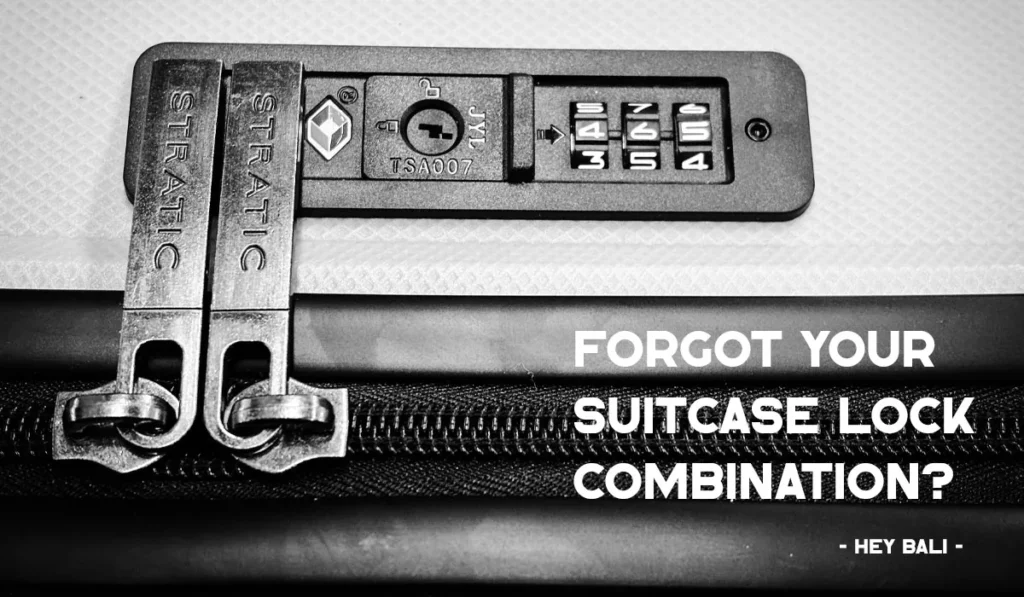
Forgot Suitcase Lock Combination? – How to Reset Your Suitcase Lock Combination, and Why Getting It Wrong Could Cost You at Bali’s Airport
A forgotten three-digit combination sounds like a minor inconvenience, until it’s the reason a suitcase sits open on the floor of Ngurah Rai International Airport while a flight boards without its owner. Resetting a luggage lock is a five-minute task most travelers never think about until the moment they desperately need to, and for anyone flying in or out of Bali, where checked baggage often carries souvenirs, electronics, and irreplaceable items collected across weeks of travel, getting it right matters more than it seems.
How TSA-Approved Locks Actually Work
Before resetting any combination, it helps to understand what makes a lock “TSA-approved” in the first place, a distinction that matters directly for anyone flying through international airports, including those connecting through the United States.
According to Travel Sentry, the organization that developed the system in partnership with the U.S. Transportation Security Administration, locks bearing the red diamond logo can be opened and relocked by authorized security officers using a universal master key, without cutting or damaging the lock during a security inspection. Without this feature, agents who need to physically inspect a suspicious bag are permitted to cut the lock off entirely, an outcome that can turn a routine screening into a ruined suitcase.
This system, now recognized at airports in more than 40 countries, exists specifically to balance security screening needs with a traveler’s right to keep their luggage locked and protected from casual theft during transit.
Resetting a Combination Lock: The Standard Method
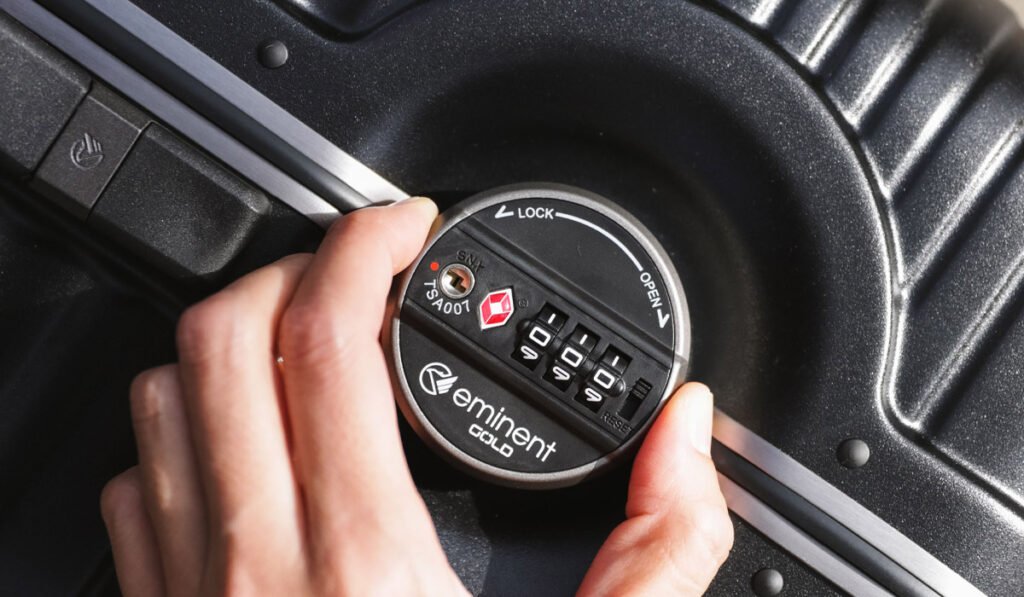
Most modern suitcases use a small reset button, typically a tiny pinhole located near the number dials, that allows travelers to set their own three- or four-digit combination at home. The process is broadly consistent across major luggage brands:
- Open the lock using the current combination or factory default (usually 0-0-0). The reset mechanism only works while the lock is in the open position.
- Locate the reset button or pinhole, typically beside or beneath the number dials, and prepare a pen tip, paperclip, or thin pin to press it.
- Press and hold the reset button until a soft click is felt or heard, then continue holding it while setting the new code.
- Rotate the dials to a new combination while still holding the reset button, choosing numbers that are memorable but not easily guessed.
- Release the reset button to lock the new combination into the mechanism.
- Test the new combination two to three times before travel, scrambling the dials and re-entering the code to confirm it saved correctly.
Luggage brand Away, which manufactures combination-lock suitcases, states plainly on its own support pages that once a combination is set by the owner, the company itself has no way to override or open the suitcase if that combination is forgotten, underscoring why testing a new code thoroughly before departure isn’t optional.
Resetting TSA-Style Padlocks and Slide-Lever Models
Locks using a shackle or slide-lever mechanism, common on standalone TSA-approved padlocks, follow a similar but distinct process:
- Unlock using the current code, ensuring the shackle or zipper pull is fully disengaged.
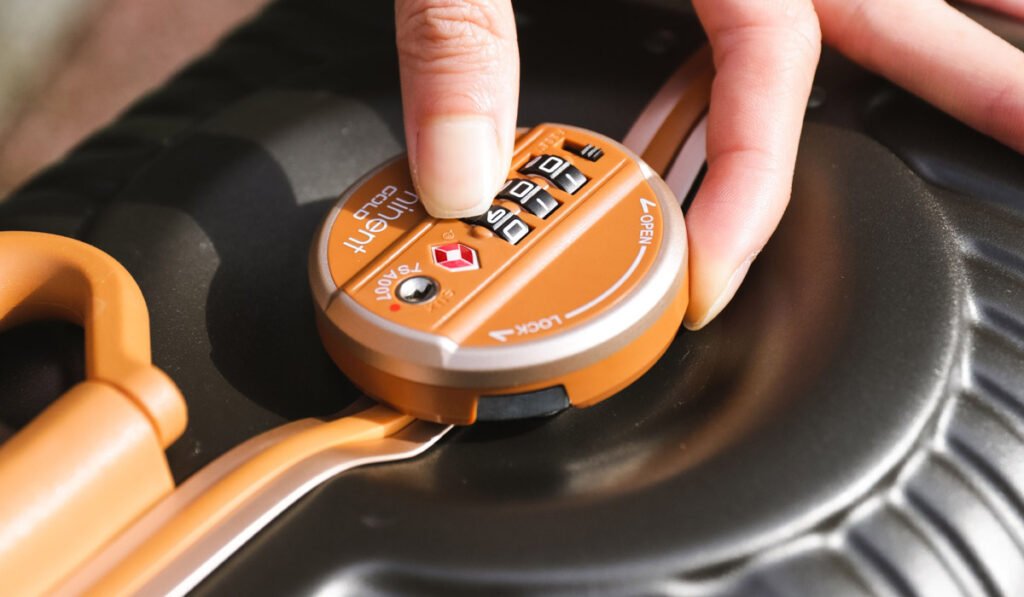
- Activate the reset mode. For padlocks, this typically means pulling the shackle upward and rotating it 90 degrees; for built-in locks, pressing the pinhole until a click is heard.
- Hold the lever or shackle in the reset position while the combination is unlocked for editing.
- Rotate the dials to the new combination while continuing to hold the mechanism in place.
- Return the lever to its original position, or rotate the shackle back down until it clicks, permanently locking in the new code.
What to Do If You’ve Forgotten the Old Combination
For travelers who inherit a used suitcase, or simply haven’t touched their lock in years, resetting isn’t possible until the lock is opened first. According to guidance from Travel Sentry, official procedures should be followed rather than forcing the mechanism, since three-digit locks have exactly 1,000 possible combinations, a number small enough that patience alone will eventually solve it.
- Try factory defaults and obvious combinations first: 0-0-0, 1-2-3, or 9-9-9 are common starting points, since many locks are never changed from their factory setting.
- Check the dial gaps with a flashlight. Small notches or gaps on each wheel, when aligned to the centerline, can indicate the correct digits.
- Use the push-and-pull technique. While holding tension on the release lever, slowly rotate each dial from 0 to 9; the number where the lever feels loosest is often part of the correct code.
- Work through combinations sequentially if other methods fail, starting from 000 and working upward. With only 1,000 possibilities, this method is slow but guaranteed to work.
- Reset immediately once opened, choosing a new, memorable code and testing it multiple times before the suitcase is packed again.
Security experts caution against prying the lock open with tools like screwdrivers or hammers, which can permanently damage the suitcase itself. A drop of lubricant on stiff dials is a safer fix if the wheels are simply difficult to turn.
Choosing a Lock and Code Worth Trusting
Once a new combination is set, protecting it matters just as much as the code itself. Jesse Neugarten, founder and CEO of Dollar Flight Club, told Forbes that travelers should “look for products with strong metal loops or cables to withstand rough baggage handling,” a detail worth checking before relying on any lock for international travel.
Billy Wijaya, founder of luggage brand Baller, has separately argued that non-zipper suitcase designs offer a meaningful security advantage over zippered models, noting that zippered bags remain vulnerable to forced entry even with a functioning lock or PIN code in place.
Luggage brand Travelpro recommends saving a lock combination as a fake contact number in a phone rather than writing it on a visible sticker, reducing the risk of the code being seen by anyone else. Four-digit locks also offer meaningfully more security than three-digit models: 10,000 possible combinations compared to just 1,000.
Choosing and Securing a New Lock Code
| Do | Avoid |
| Choose a random, memorable four-digit combination | Obvious sequences like 1-2-3 or 0-0-0 |
| Save the code in a locked phone note or password manager | Writing the code on a visible luggage tag or sticker |
| Test the new code multiple times before departure | Assuming the reset “took” without testing it |
| Use a lock bearing the Travel Sentry red diamond logo | Non-TSA locks on checked international luggage |
| Lubricate dials periodically if they feel stiff | Forcing a stuck lock with tools, which can damage the case |

Frequently Asked Questions
What is the default combination on a new suitcase lock?
Nearly all new combination locks ship set to the factory default of 0-0-0. Enter this code to open the lock initially, then reset it to a personal combination before your first trip.
How do I reset a suitcase lock if I’ve forgotten the old combination?
The suitcase must first be opened without damaging it, by trying common default codes, checking for alignment gaps using a flashlight, or working through combinations sequentially from 000 to 999. Once open, use the reset button or lever to set a new, memorable code immediately.
Can all suitcase locks be reset by the owner?
Most combination dial locks can be reset at home using either a reset button or a slide-lever mechanism. If a lock is severely jammed or built directly into the suitcase’s structure, consulting a luggage repair service is safer than attempting to force it open.
Why do TSA-approved locks matter for international travel through Bali?
Locks bearing the Travel Sentry red diamond logo allow airport security officers, including at connecting airports that follow TSA-recognized standards, to inspect checked luggage using a master key rather than cutting the lock off. This is particularly relevant for travelers flying multi-leg international itineraries into or out of Ngurah Rai International Airport, where checked bags often pass through several countries’ security systems before reaching their final destination.