

































A one-hour closure of the vital Ketapang-Gilimanuk ferry route highlights the delicate balance between mobility and maritime safety on the Island of the Gods.
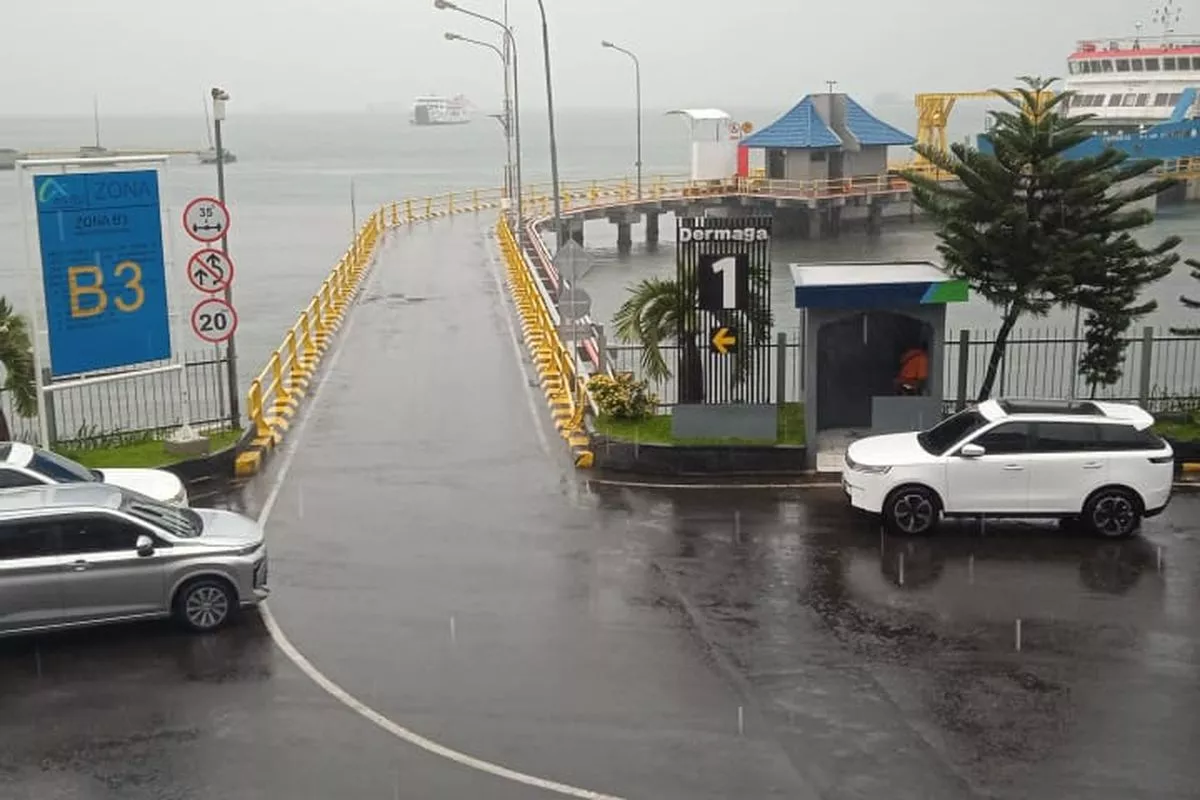
GILIMANUK, Bali — For one hour on Wednesday afternoon, the incessant, vital pulse of the Bali Strait was stilled. Authorities at the Ketapang Port in Banyuwangi, Java, made the decisive call to temporarily halt all ferry crossings to and from Bali’s Gilimanuk Port. The reason was not mechanical failure or holiday congestion, but a force as old as the island itself: the weather.
Citing data from Indonesia’s Meteorology, Climatology, and Geophysics Agency (BMKG), port officials reported strong winds and critically reduced visibility of just 200 meters across the strait. Despite relatively calm waves, the combination of high winds and a shroud of mist created conditions deemed unsafe for the 28 vessels that normally ply this busy route, which serves as a primary artery for goods, vehicles, and thousands of passengers daily.
A Necessary Pause in the Island’s Lifeline
The closure, though brief, underscored the fragile logistics of island life. The Bali Strait is not merely a scenic passage; it is an economic umbilical cord. The halt, which lasted from 2:45 PM to 3:45 PM local time, quickly led to queues of waiting trucks and cars at Ketapang Port. Yet, as Bayu Kusumo Nugroho, a coordinator at the port authority, emphasized, the decision was one of necessary caution, taken “to ensure the safety and comfort of the service users themselves.”
The incident serves as a pointed reminder for Bali’s vast community of residents, expatriates, and frequent travelers. Whether planning a weekend trip to Java’s Ijen Crater, awaiting a shipment of construction materials, or simply relying on the consistent flow of essentials, the island’s connection to the rest of Indonesia remains subject to the powerful and unpredictable rhythms of the sea and sky.
A Microcosm of Bali’s Broader Reliance
For a global audience that sees Bali as a destination of seamless luxury and digital convenience, this momentary disruption is a grounding reality check. It mirrors the island’s broader vulnerabilities—from seasonal monsoon rains that affect beach days to volcanic ash that can close its airport. The efficiency of modern life in Bali is built upon infrastructure that must constantly negotiate with nature.
The resumption of service after an hour, as conditions improved, was a relief. However, the official advice issued in the aftermath remains evergreen and crucial: travelers and businesses dependent on the crossing should consistently monitor official weather forecasts from BMKG and heed the instructions of port officers. In Bali, where the line between paradise and practicality is often drawn by a narrow strait, respecting the elements is not just a matter of tradition, but a prerequisite for safe and sustainable modern living. The one-hour closure was a small price to pay for safety, and a quiet lesson in the humility required to live on, and travel to, an island.